
ការបញ្ជូនទិន្នន័យតាមរយៈសរសៃអុបទិក វាអាស្រ័យលើឧបករណ៍បញ្ជូន ផ្លូវសរសៃអុបទិក និងឧបករណ៍ទទួលដែលត្រូវគ្នា។ សមត្ថភាព និងចម្ងាយប្រតិបត្តិការរបស់វាមានប្រយោជន៍ លុះត្រាតែឧបករណ៍ រចនាសម្ព័ន្ធខ្សែ ការតភ្ជាប់ និងដែនកំណត់នៃការដំឡើងត្រូវគ្នា។ ការយល់ដឹងពីផ្លូវសញ្ញាក៏ធ្វើឱ្យវាកាន់តែងាយស្រួលក្នុងការបែងចែកបញ្ហានៃការបាត់បង់សញ្ញាអុបទិក ពីផ្លូវដែលខូច ចំណុចប្រសព្វដែលមិនស៊ីគ្នា ឬការធ្វើតេស្តទទួលយកមិនពេញលេញផងដែរ។.
ការបញ្ជូនទិន្នន័យតាមរយៈសរសៃអុបទិក គឺជាការចុះកូដព័ត៌មានលើពន្លឺ ហើយបញ្ជូនវាតាមរយៈសរសៃអុបទិក; ឧបករណ៍ទទួលធ្វើការបម្លែងសញ្ញាដែលមកដល់ ឱ្យទៅជាទិន្នន័យអគ្គិសនីវិញ។ សរសៃអុបទិកប្រភេទ Single-mode និង Multimode គឺជាប្រភេទឌីហ្សាញផ្សេងគ្នា មិនមែនជាប្រភេទខ្សែដែលអាចប្រើជំនួសគ្នាបានឡើយ៖ ITU-T G.652 គ្របដណ្តប់លើសរសៃអុបទិកប្រភេទ Single-mode ខណៈ ITU-T G.651.1 គ្របដណ្តប់លើសរសៃអុបទិក Multimode ប្រភេទ 50/125 µm ដែលមានសន្ទស្សន៍បែងចែកជាលំដាប់។ សូមជ្រើសរើសដោយផ្អែកលើឧបករណ៍ និងផែនការចម្ងាយ រួចធ្វើឯកសារសម្រាប់តំណភ្ជាប់-ថវិកាខាតបង់ និងសាកល្បងផ្លូវដែលបានតំឡើង ជាជាងពឹងផ្អែកតែលើស្លាកសញ្ញាខ្សែភ្លើងតែមួយ។.
របៀបដែលឧបករណ៍បញ្ជូន សរសៃអុបទិក និងឧបករណ៍ទទួលផ្ទេរទិន្នន័យ
ឧបករណ៍បញ្ជូនធ្វើឱ្យប្រភពពន្លឺប្រែប្រួលតាមទម្រង់ដែលតំណាងឱ្យទិន្នន័យ។ ពន្លឺធ្វើដំណើរនៅក្នុងស្នូលនៃសរសៃអុបទិក ដែលមានសន្ទស្សន៍ចំណាំងផ្លាតខ្ពស់ជាងស្រទាប់ខាងក្រៅ; នៅក្នុងមុំដែលអនុញ្ញាតរបស់សរសៃ ការឆ្លុះបញ្ចាំងពេញលេញពីខាងក្នុងជួយរក្សាពន្លឺឱ្យនៅក្នុងស្នូល។ នៅចុងម្ខាងទៀត ឧបករណ៍ទទួលអុបទិកចាប់សញ្ញា។ ស្រទាប់ការពារ និងរចនាសម្ព័ន្ធដែលប្រើសម្រាប់ធ្វើខ្សែ គឺដើម្បីបំពេញតម្រូវការផ្នែកមេកានិក និងបរិស្ថាន ប៉ុន្តែវាមិនមែនជាស្នូលដែលបញ្ជូនពន្លឺឡើយ។.
ការពន្យល់នេះមានប្រយោជន៍ ប៉ុន្តែវាមិនមានន័យថា រលកពន្លឺដែលបញ្ចេញចេញទាំងអស់ធ្វើដំណើរដោយគ្មានការបាត់បង់ឡើយ។ ការស្រូបយក, ការបែកខ្ចាត់ខ្ចាយ, ការកោងធំ, ការកោងតូច, ការភ្ជាប់, និងចំណុចប្រសព្វនៃឧបករណ៍ភ្ជាប់ អាចបន្ថយសញ្ញាដែលទៅដល់ឧបករណ៍ទទួល។ ឯកសារយោងបច្ចេកទេសរបស់សមាគម Fiber Optic (FOA) បានបែងចែកការថយចុះសញ្ញានៅក្នុងសរសៃអុបទិក ពីការបាត់បង់នៃការភ្ជាប់ និងការតំឡើង។ ការគណនាបៀរបៀហ្សេត (link budget) គឺដើម្បីគិតគូរពីកត្តាទាំងអស់នេះ ដោយប្រើលក្ខណៈសម្បត្តិរបស់ឧបករណ៍បញ្ជូន-ទទួលដែលអាចអនុវត្តបាន ដើម្បីកំណត់ដែនកំណត់អតិបរមាពីចុងមួយទៅចុងមួយ។.
សរសៃអុបទិកក៏ជាផ្នែកតែមួយនៃប្រព័ន្ធទំនាក់ទំនងដែរ។ ឧបករណ៍បញ្ជូន ឧបករណ៍ទទួល ខ្សែភ្ជាប់ ចំណុចផ្សារភ្ជាប់ និងគន្លងត្រូវដំណើរការជាមួយគ្នាដោយមានការរចនាឲ្យសមស្រប។ សម្រាប់ការប្រៀបធៀបកាន់តែទូលំទូលាយរវាងមធ្យោបាយបញ្ជូនទិន្នន័យជាមួយខ្សែកាប់លោហៈ សូមមើល ហេតុអ្វីបានជាប្រើការបញ្ជូនតាមរយៈសរសៃអុបទិក?; អត្ថប្រយោជន៍របស់វានៅតែអាស្រ័យលើឧបករណ៍ និងការដំឡើងរបស់កម្មវិធី។.
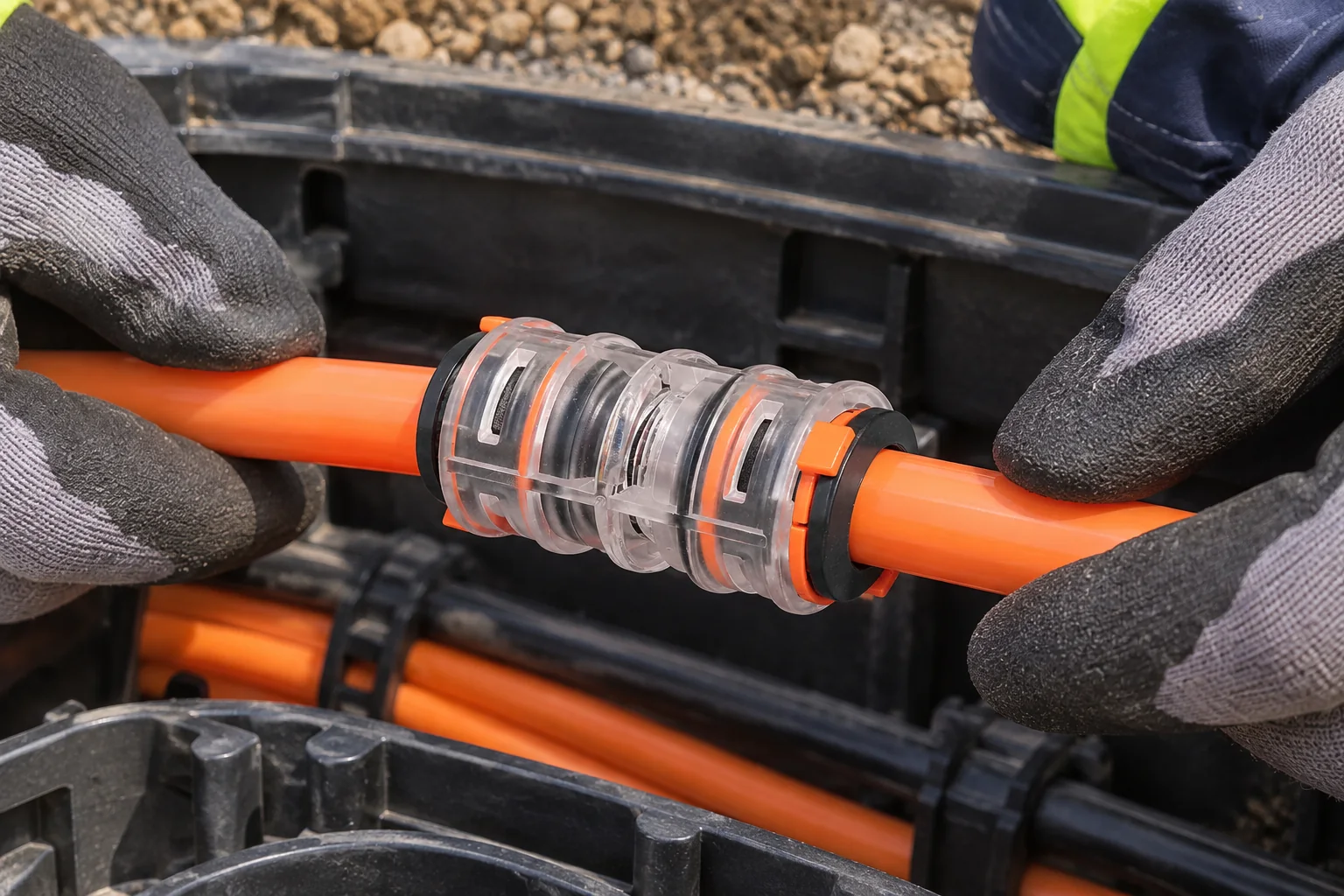
ត្រូវប្រៀបធៀបរបៀបសរសៃអុបទិកជាមួយឧបករណ៍ និងចម្ងាយ
សរសៃអុបទិកម៉ូដតែមួយគាំទ្រចលនាប្រព័ន្ធមួយ ហើយជាទូទៅត្រូវបានជ្រើសរើសសម្រាប់ផ្លូវទូរគមនាគមន៍ដែលមានប្រវែងវែង; សរសៃអុបទិកម៉ូដច្រើនអនុញ្ញាតឱ្យមានចលនាជាច្រើន ហើយត្រូវបានប្រើក្នុងតំណភ្ជាប់ដែលចម្ងាយ និងផែនការឧបករណ៍សមស្របនឹងលក្ខណៈរបស់វា។ ការជ្រើសរើសម៉ូដមិនមែនជាការអះអាងថាសៀគ្វីមួយនឹងលឿនជាងដោយស្វ័យប្រវត្តិនោះទេ។ ប្រវែងរលកនៃឧបករណ៍បញ្ជូន ប្រភេទឧបករណ៍ទទួល លក្ខណៈសម្បត្តិសរសៃអុបទិក ការតភ្ជាប់ និងចម្ងាយដែលត្រូវការ ត្រូវតែស្របគ្នាទាំងអស់។ ITU-T G.652 ពិពណ៌នាអំពីលក្ខណៈសម្បត្តិនៃសរសៃអុបទិក និងខ្សែកាបអុបទិកម៉ូដតែមួយ ខណៈពេលដែល ITU-T G.651.1 គ្របដណ្ដប់លើសរសៃអុបទិក និងខ្សែកាបអុបទិកម៉ូដច្រើនប្រភេទមានសន្ទស្សន៍ប្រែប្រួល 50/125 µm សម្រាប់បណ្តាញទំនាក់ទំនងអុបទិក។.
កុំសន្មតភាពសមប្រកបនៃឧបករណ៍ភ្ជាប់ដោយផ្អែកលើអង្កត់ផ្ចិតខាងក្រៅនៃខ្សែ ឬរូបរាងដុំឌុយដែលអ្នកធ្លាប់ស្គាល់។ ត្រូវកត់ត្រាប្រភេទសរសៃ, ចំណុចប្រទាក់ឧបករណ៍ភ្ជាប់, ការជាប់គ្នាដែលពាក់ព័ន្ធ, ប្រវែងរលករបស់ឧបករណ៍ និងចម្ងាយតភ្ជាប់ដែលបានអនុម័តពីឯកសារពិតប្រាកដរបស់ឧបករណ៍។ ប្រសិនបើមានការពាក់ព័ន្ធនឹងហេដ្ឋារចនាសម្ព័ន្ធដែលមានស្រាប់ ត្រូវកំណត់អត្តសញ្ញាណសរសៃដែលបានដំឡើងតាមកំណត់ត្រា និងការផ្ទៀងផ្ទាត់នៅទីតាំងជាក់ស្តែង មុនពេលទិញឧបករណ៍អុបទិក។ និន្នាការអនាគតក្នុងការបញ្ជូនទិន្នន័យតាមរលកពណ៌ វាមិនសូវសំខាន់ចំពោះបញ្ជីសម្ភារៈនៅថ្ងៃនេះ ជាងចំណុចទំនាក់ទំនងទាំងនេះ និងផ្លូវកែលម្អដែលអាចធ្វើទៅបានឡើយ។.
| ចំណុចសម្រេចចិត្ត | ម៉ូដសារីកែវតែមួយ | ច្រើនរបៀប |
|---|---|---|
| ការរីកដុះដាលនៃពន្លឺ | របៀបសំខាន់មួយ; G.652 គឺជាឯកសារយោងស្តីពីសរសៃអុបទិកទូរគមនាគមន៍ដ៏សំខាន់។. | ម៉ូដជាច្រើន; G.651.1 ដោះស្រាយបញ្ហា 50/125 សរសៃអុបទិកចំណីចំណី µm សម្រាប់បណ្តាញចូលអុបទិក។. |
| ចំនួនអ្នកដែលទទួលបាន និងឧបករណ៍ | ពិនិត្យមើលអុបទិក ប្រវែងរលក និងថវិកាខាតបង់សរុបដែលបានជ្រើសរើសសម្រាប់ផ្លូវដែលបានកំណត់។. | ពិនិត្យមើលថ្នាក់ម៉ូឌុលចម្រុះជាក់លាក់ អុបទិក និងចម្ងាយផ្សព្វផ្សាយដែលបានបោះពុម្ព; ការបែកខ្ចាត់ខ្ចាយម៉ូឌាលអាចកំណត់ដំណើរការនៃតំណភ្ជាប់។. |
| សមស្របនឹងមូលដ្ឋានឧបករណ៍ដែលបានដំឡើង | ផ្ទៀងផ្ទាត់កំណត់ត្រាសរសៃអុបទិក ស្ថានភាពកន្លែងភ្ជាប់ និងភាពឆបគ្នានៃឧបករណ៍បញ្ជូន-ទទួល។. | ផ្ទៀងផ្ទាត់ថ្នាក់និងភាពជាប់បន្តនៃសរសៃ; ពាក្យ “multimode” តែមួយមិនគ្រប់គ្រាន់ទេ។. |
| និន្នាការតម្លៃ | ប្រៀបធៀបឧបករណ៍បញ្ជូន-ទទួល ខ្សែកាប ការភ្ជាប់ចុងខ្សែ និងការធ្វើតេស្តជាប្រព័ន្ធ មិនមែនគ្រាន់តែតម្លៃសរសៃអុបទិកប៉ុណ្ណោះទេ។. | ប្រៀបធៀបដែនកំណត់ពេញលេញដូចគ្នា; ឧបករណ៍ និងសមត្ថភាពអាចផ្លាស់ប្តូរការសន្មត់សាមញ្ញអំពីតម្លៃសម្ភារៈ។. |
រក្សាកម្រិតនៃការដំណើរការខ្សែកាប្លិ៍ឱ្យដាច់ពីប្រភេទសរសៃអុបទិក
ការកំណត់ប្រភេទសរសៃអុបទិកពិពណ៌នាអំពីលក្ខណៈអុបទិក; ខ្សែកាបដែលផលិតរួចបន្ថែមស្រទាប់គ្រប, ឧបករណ៍ការពារ, សមាសធាតុរឹងមាំ និងរចនាសម្ព័ន្ធខាងក្រៅ ដែលក៏ជះឥទ្ធិពលដល់ការដំណើរការផងដែរ។ កុំសនិដ្ឋានថាជាខ្សែកាបដែលត្រូវបានអនុញ្ញាត កាំងើប ឬកម្លាំងនៃការដំឡើងដែលបណ្តាលមកពីប្រភេទកញ្ចក់តែមួយ។ សូមទទួលបានដែនកំណត់របស់អ្នកផលិតសម្រាប់ការដំឡើងក្រោមបន្ទុក និងសម្រាប់ស្ថានភាពដំឡើងចុងក្រោយ រួមទាំងការរឹតត្បិតណាមួយទាក់ទងនឹងសីតុណ្ហភាព ឬការដំណើរការផងដែរ។.
ភាពខុសប្លែកគ្នានេះមានសារៈសំខាន់ នៅពេលដែលសរសៃអុបទិកដែលមិនងាយបត់បែនត្រូវបានស្នើឡើងសម្រាប់ផ្លូវតូចចង្អៀត។ ការប្រសើរឡើងនៃឥរិយាបថនៃការបាត់បង់ដោយការបត់មិនមែនជាការអនុញ្ញាតឱ្យបត់ខ្សែកាប កៀបវាឱ្យប៉ិនប្រសប់ ឬបង្ខំវាឱ្យវិលជុំជុងជ្រុងដែលមិនមានការកត់ត្រាទុកនោះទេ។ សេចក្តីណែនាំសម្រាប់ការដំឡើងខ្សែកាប និងការតភ្ជាប់នៅតែមានសុពលភាព។ ការធ្វើតេស្តអុបទិកដែលជាប់នៅពេលណាមួយមិនមែនជាការអនុញ្ញាតឱ្យដំឡើងខ្សែកាបដែលបំពានលើសេចក្តីណែនាំផ្នែកមេកានិកទាំងនោះឡើយ។.
សម្រាប់ផ្លូវដាក់ខ្សែកាប ត្រូវប្រៀបធៀបអង្កត់ផ្ចិត និងភាពរឹងនៃខ្សែកាបជាមួយនឹងបំពង់ ការបត់ និងផែនការចូលប្រើ។ ការប្រៀបធៀបរវាងខ្សែកាបអាកាស និងខ្សែកាបធម្មតា ពន្យល់ថាហេតុអ្វីបានជាវិធីសាស្រ្តនៃការដំឡើងផ្លាស់ប្តូរតម្រូវការនៃគន្លង ដោយមិនផ្លាស់ប្តូរភាពចាំបាច់នៃការទទួលស្គាល់ខាងអុបទិក។ រក្សាឯកតាខ្សែកាប ទំហំបំពង់ ការរៀបចំចំណុចប្រសព្វ និងវិធីសាស្រ្តដែលបានជ្រើសរើស នៅក្នុងកំណត់ត្រាផ្លូវដដែល។.
នៅពេលដែលប្តូរខ្សែ ឬអង្គផ្លាស់ប្តូរជាដំណក់សរសៃ, ត្រូវធ្វើការពិនិត្យឡើងវិញនូវភាពឆបគ្នាជាថ្មី ជាជាងសន្មតថា ចំនួនសរសៃដូចគ្នាមានន័យថាអាកប្បកិរិយានៃការដំឡើងដូចគ្នាដែរ។ ត្រូវពិនិត្យមើល ជួរបំពង់មីក្រូ HDPE រួមជាមួយនឹងវិមាត្រពិតប្រាកដ និងការណែនាំរបស់អ្នកផលិតខ្សែ។ ត្រូវកត់ត្រាការជំនួសដែលត្រូវបានអនុម័ត និងថាតើវាបានផ្លាស់ប្តូរថវិកាអុបទិក វិធីសាស្ត្រដំណើរការ ឬដំណើរការបញ្ចប់ការតភ្ជាប់ដែរឬទេ មុនពេលការងារចាប់ផ្តើម។.
គណនាកញ្ចប់ការបាត់បង់តាមខ្សែភ្ជាប់ និងធ្វើតេស្តសរសៃអុបទិកដែលបានដំឡើង
ចាប់ផ្តើមដោយយកភាពរសើបនៃឧបករណ៍ទទួល និងថាមពលបញ្ចេញរបស់ឧបករណ៍បញ្ជូនដែលបានកំណត់សម្រាប់អុបទិកដែលបានជ្រើសរើស បន្ទាប់មកគិតបញ្ចូលការថយចុះថាមពលនៃខ្សែកាបអុបទិកតាមប្រវែងផ្លូវ ការតភ្ជាប់ដែលបានគ្រោងទុក គូនៃឧបករណ៍ភ្ជាប់ និងបរិមាណបន្ថែមដែលបានកំណត់សម្រាប់គម្រោង។ សម្រាប់ការប៉ាន់ស្មានជាឧទាហរណ៍ ការបាត់បង់ដែលបានគ្រោងទុក = ការថយចុះថាមពលនៃខ្សែកាបអុបទិក + ការបាត់បង់នៅការតភ្ជាប់ + ការបាត់បង់នៅឧបករណ៍ភ្ជាប់ + បរិមាណបន្ថែមផ្នែកវិស្វកម្ម; តម្លៃនៃសមាសធាតុទាំងនេះត្រូវយកមកពីផលិតផលដែលបានជ្រើសរើស និងលក្ខណៈវិនិច្ឆ័យនៃការទទួលយករបស់គម្រោង។ មិនមានតួលេខការបាត់បង់ដែលអាចទទួលយកបានជាសកលសម្រាប់តំណភ្ជាប់គ្រប់ប្រភេទឡើយ។.
បន្ទាប់ពីការដំឡើង សូមប្រើឧបករណ៍តេស្តការបាត់បង់អុបទិកដែលបានកែតម្រូវ នៅកម្រិតរលក និងវិធីសាស្ត្រយោងដែលបានកំណត់សម្រាប់គម្រោង ដើម្បីវាស់ពីចុងម្ខាងទៅចុងម្ខាង។ ការបាត់បង់ការបញ្ចូល. ឧបករណ៍ឆ្លុះពន្លឺតាមដំណាក់កាលពេល (OTDR) អាចជួយកំណត់ទីតាំងហេតុការណ៍ និងវិភាគលក្ខណៈផ្លូវខ្សែកាប ប៉ុន្តែសញ្ញាដែលវាបង្ហាញមិនអាចជំនួសការវាស់ការបាត់បង់ថាមពលពីចុងម្ខាងទៅចុងម្ខាងដែលបានព្រមព្រៀងគ្នាបានឡើយ។ ឯកសារយោងស្តីពីការធ្វើតេស្តរបស់ FOA ពន្យល់ពីគោលបំណងខុសៗគ្នានៃវិធីសាស្ត្រទាំងនេះ។ សូមរក្សាឯកសារតេស្តឱ្យជាប់ទាក់ទងនឹងលេខសម្គាល់ខ្សែកាប និងផ្លូវដែលបានសាងសង់រួច ដើម្បីឱ្យក្រុមជួសជុលនៅពេលក្រោយអាចបែងចែកកំហុសថ្មីពីស្ថានភាពដែលមានស្រាប់បាន។.
ថវិកាដូចគ្នាគួរតែជាគោលដៅសម្រាប់ការងារផ្នែករឹង។ រក្សាអនុសញ្ញាអប្បបរមានៃការពត់ខ្សែរបស់ក្រុមហ៊ុនផលិត និងដែនកំណត់នៃការទាញ ឬបោះពុម្ពឱ្យអ្នកធ្វើការឃើញយ៉ាងច្បាស់; ការពារចុងបើកពីការបំពុលដោយភក់ និងសំណើម; ត្រួតពិនិត្យ និងសម្អាតឧបករណ៍ភ្ជាប់អុបទិកដែលត្រូវគ្នាតាមនីតិវិធីដែលបានអនុម័ត មុនពេលភ្ជាប់។ សម្រាប់ប្រព័ន្ធបោះខ្សែដោយខ្យល់ ត្រូវផ្ទៀងផ្ទាត់ទំហំរន្ធបំពង់ ភាពជាប់បន្ត ការពត់ និងចំណុចភ្ជាប់ ទៅនឹងសៀគ្វីសរសៃអុបទិក និងការណែនាំឧបករណ៍។ លក្ខណៈសម្បត្តិសរសៃអុបទិកដ៏ល្អមិនអាចជំនួសបានឡើយសម្រាប់បំពង់ដែលបាក់ ឬចំណុចប្រសព្វដែលបាត់បង់ភាពស្អាត។.
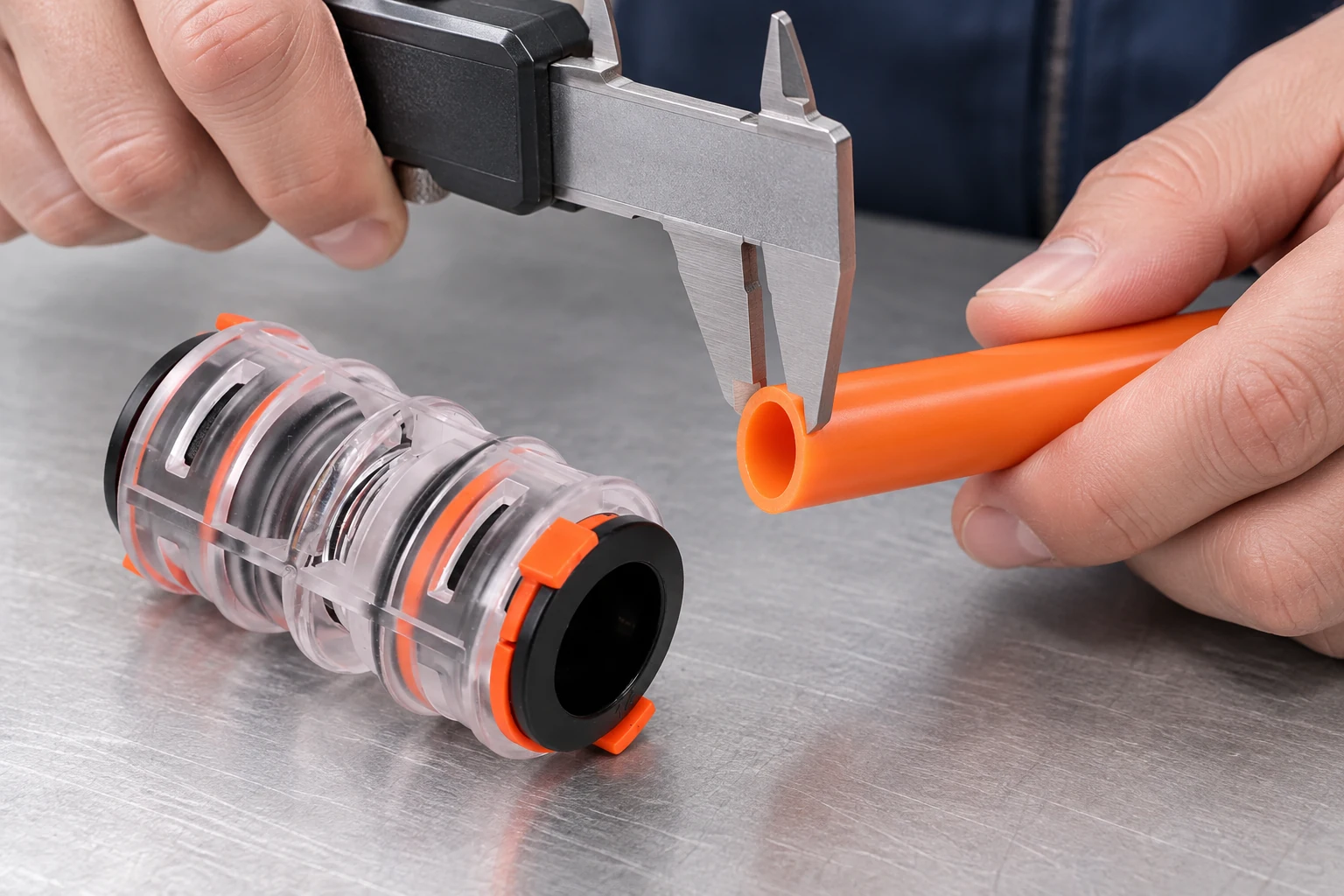
Use loss measurements and OTDR traces for different questions
An optical loss test set answers how much optical power is lost between defined endpoints under the selected test conditions. An OTDR provides a trace used to characterize events and locate features such as splices, reflections or suspected damage. Fluke Networks’ OTDR guidance explains their different roles. An OTDR result should not silently replace an end-to-end insertion-loss measurement required by the contract.
Make the test boundary explicit: installed cable plant, a defined link including patching, or another stated configuration. Record wavelengths, reference method, fiber identifiers, test direction where required and the acceptance limit. For an OTDR, the setup must suit the events that need to be resolved; launch and receive fibers may be needed to assess end connections. The project procedure should define that setup rather than borrowing an instrument’s default settings.
ទី network connector and plug guide covers the mating interface that precedes these measurements. Inspect, clean when necessary and inspect again before connecting. If a result changes after cleaning or rerouting a bend, retain the initial and final records and state the correction. This is more useful for maintenance than a final pass result with no route or port identity.
Compare the Complete Installed Route Before Buying
Fiber optic technology advantages often include high capacity, long-reach options and immunity of the glass signal path to electromagnetic interference. These are system-level possibilities, not guarantees for every route or a certification of the cable. Procurement should compare the complete installed link: compatible optics, fiber and cable, pathway, fittings, termination, tests, documentation and the cost of gaining access for future changes.
A low cable quote can become expensive if interfaces have to be reworked or the route must be reopened. Conversely, spare pathway capacity has value only when it is recorded, accessible and kept suitable for later use. Model the present installation and a plausible expansion scenario over the same planning period; label future demand and crew costs as assumptions. Do not claim a payback period until those inputs are known.
| ស្ថានភាពគម្រោង | ភស្តុតាងដែលត្រូវស្នើសុំ | ការសម្រេចចិត្តដែលវាគាំទ្រ |
|---|---|---|
| Known equipment at both ends | Optics data, wavelength, supported fiber type and allowable loss. | Choose compatible fiber and calculate the route-specific budget. |
| Existing fiber route | As-built records, fiber identification, connector condition and field test results. | Decide whether reuse is feasible before ordering replacement components. |
| New microduct route | Duct and fiber-unit dimensions, bend plan, joint details and installation instructions. | Check physical fit and installation method before selecting fittings. |
| Phased expansion | Demand scenarios, spare usable pathway, access points and future mobilization estimate. | Compare whole-life options without assuming spare capacity is free. |
| Acceptance and maintenance | Loss-test method, wavelengths, limits, fiber IDs and as-built deliverables. | Make acceptance repeatable and future fault isolation faster. |
Match Each Fiber Standard to Its Stated Scope
ITU-T G.652 defines characteristics for a single-mode optical fiber and cable; ITU-T G.651.1 defines characteristics for 50/125 µm graded-index multimode optical fiber and cable for optical access networks. They help specify fiber, not certify a completed link, a microduct fitting or a contractor’s workmanship. FOA technical references are educational guidance on fiber, installation and testing, not a product approval. Contracts should name the exact standard edition, fiber variant, equipment requirements and field acceptance method that apply.
Compliance claims must also match the destination market, intended application and evidence supplied. Ask for the selected product’s datasheet and applicable test documentation instead of accepting a blanket “standards compliant” label. Unsupported claims can result in a rejected submittal, procurement delay or costly replacement even when the components physically fit.
Define the interfaces before requesting quotes
- State the service, route length, equipment at both ends and expected growth; get the transceiver makers’ supported fiber and link limits.
- Identify the fiber type and cable construction, then calculate the loss budget from actual route and component data.
- Draw the pathway, bends, access points, joints and terminations; confirm duct-to-cable or duct-to-fiber-unit fit from both manufacturers.
- Set an installation method and an acceptance plan with wavelengths, test method, thresholds and deliverable records before work starts.
- Compare complete installed and future-access costs, including any spare pathway, rather than choosing on cable unit price.
Microduct Connector can help buyers review the fitting and pathway side of a fiber route against the documented duct dimensions and application. For access-network context, see fiber-to-the-home microduct design. Optical fiber and microduct fittings perform different jobs, so confirm each interface independently.
សំណួរដែលសួរញឹកញាប់
How does fiber optic communication work?
A transmitter encodes data into light, the optical fiber guides the signal, and a receiver converts it back to electrical data. Core and cladding refractive indices help guide light through total internal reflection. The usable link still depends on attenuation, connections, bends and the chosen optics.
អ្វីទៅជាភាពខុសគ្នារវាងសរសៃអុបទិកម៉ូដតែមួយ និងសរសៃអុបទិកម៉ូដច្រើន?
Single-mode supports one principal propagation mode; multimode supports multiple modes. ITU-T G.652 and G.651.1 address different fiber types, but the correct choice also depends on transceivers, wavelength, reach and installed infrastructure. Do not mix them based on connector appearance alone.
Does optical fiber lose signal over distance?
Yes. The glass has attenuation, and splices, connectors and bends can add loss. Calculate the budget for the specific link, then measure the installed link using the project’s stated wavelengths and reference method.
Is optical fiber immune to every type of interference?
The optical signal in glass is not carried as an electrical current, so electromagnetic interference does not affect it in the way it affects a metallic signal path. That does not make the whole system immune to power, equipment, grounding or physical-installation problems. Assess those separately.
Can single-mode fiber be installed in any microduct?
No. Fiber type does not establish cable outer diameter, duct clearance or installation suitability. Check the actual cable or fiber unit, duct bore, route geometry, fittings and installation-equipment instructions together.
Which test confirms a newly installed fiber link?
An optical loss test set measures end-to-end insertion loss against the agreed budget at specified wavelengths. An OTDR helps characterize and locate events, but it answers a different question. Record the method, limits and results against each fiber identifier.
Does bend-insensitive fiber allow a cable to be bent without limits?
No. Optical bending performance and the finished cable’s mechanical limits are separate. Follow the cable manufacturer’s installed and loaded bend-radius requirements, handling limits and termination instructions. Do not use a fiber designation to justify a kink or a crushed fixing point.
What should be recorded when a failed optical link passes after cleaning?
Retain the fiber and port identifiers, initial result, inspection or cleaning action, reference method and final test result. Use the same agreed acceptance boundary and wavelengths so the correction can be understood and the records remain useful for later maintenance.
ឯកសារយោង
- ITU-T G.652, Characteristics of a single-mode optical fibre and cable.
- ITU-T G.651.1, Characteristics of a 50/125 µm multimode graded index optical fibre cable for the optical access network.
- Fiber Optic Association, Online Reference Guide to Fiber Optics.
- Fluke Networks: OTDR Testing and Optical Link Characterization
សេចក្តីសង្ខេប
Fiber carries information as light, but the usable link depends on equipment compatibility, attenuation, connections and installation quality. Select the fiber and cable against the actual optics and route, preserve the cable’s handling limits and establish a project-specific loss budget. Use end-to-end loss testing and OTDR characterization for their respective purposes, with identifiable records. Keep the optical signal path and the protective duct pathway coordinated without treating one component’s specification as proof of the whole system.



