
នៅពេលប្រៀបធៀបម៉ាស៊ីនផ្លុំសរសៃអុបទិកសម្រាប់គម្រោង FTTH នៅអឺរ៉ុប សូមពិនិត្យមើលលក្ខខណ្ឌដែលនៅពីក្រោយល្បឿន និងចម្ងាយនៃការដំឡើងដែលបានបញ្ជាក់។ ម៉ាស៊ីនមួយមានប្រយោជន៍ លុះត្រាតែជួរខ្សែកាបដែលត្រូវបានអនុម័ត ជួរបំពង់ខ្សែ វិធីសាស្ត្រនៃការជំរុញ បង្អួចគ្រប់គ្រង វិធានការសុវត្ថិភាព និងផែនការសេវាកម្មរបស់វាស្របទៅនឹងផ្លូវដែលបានកំណត់។ សូមស្នើឱ្យអ្នកផ្គត់ផ្គង់បង្ហាញពីការដំឡើងខ្សែកាបដែលបានកំណត់ តាមរយៈបំពង់ខ្សែមីក្រូដែលបានរៀបចំ ដោយកត់ត្រាការកំណត់ និងការឈប់សម្រាក។.
ប្រៀបធៀបប្រព័ន្ធហាយដ្រូលិក ឬប្រព័ន្ធបញ្ចូលខ្យល់ ម៉ាស៊ីនបាញ់ខ្សែកابل ជាផ្នែកមួយនៃប្រព័ន្ធបណ្តាញខ្សែកាប–លូ។ ស្នើសុំចន្លោះដំណើរការពិតប្រាកដ និងនីតិវិធីនៃការតំឡើង, ឯកសារសុវត្ថិភាព, មូលដ្ឋាននៃការធ្វើតេស្ត, ផែនការគ្រឿងបន្លាស់ និងការគ្របដណ្ដប់សេវាកម្ម។ កុំផ្ទេរល្បឿន ឬចម្ងាយនៃទំព័រផលិតផលទៅកាន់ខ្សែកាប, បំពង់, រូបរាងកោង ឬលក្ខខណ្ឌអាកាសធាតុផ្សេងទៀតដោយគ្មានការវាយតម្លៃជាមុន។.
របៀបដែលម៉ាស៊ីនផ្លុំសរសៃត្រួតពិនិត្យការចូលខ្សែកាប និងជំនួយខ្យល់
អាស្រ័យលើរចនាបថ, ម៉ាស៊ីនគ្រប់គ្រងការបញ្ជូនខ្សែ, កម្លាំងទាញ, ចលនាដោយជំនួយខ្យល់ ឬការរួមបញ្ចូលនៃមុខងារទាំងនេះ។ ក្រុមការងារនៅតែត្រូវការបំពង់ដាក់ខ្សែដែលមានភាពជាប់លាប់, ផ្ទៃខ្សែដែលសមស្រប, ការបត់ដែលសមស្រប, ការផ្គត់ផ្គង់ខ្យល់ដែលគ្រប់គ្រងបាន, និងវិធីឈប់ដែលមានសុវត្ថិភាព។ ម៉ាស៊ីនមិនអាចកែតម្រូវបំពង់ដាក់ខ្សែដែលបាក់, ការតភ្ជាប់ដែលមានការលេចធ្លាយ, បន្ទប់ដែលមានការរាំងស្ទះ ឬខ្សែដែលនៅក្រៅជួរដែលបានអនុម័តបានឡើយ។.
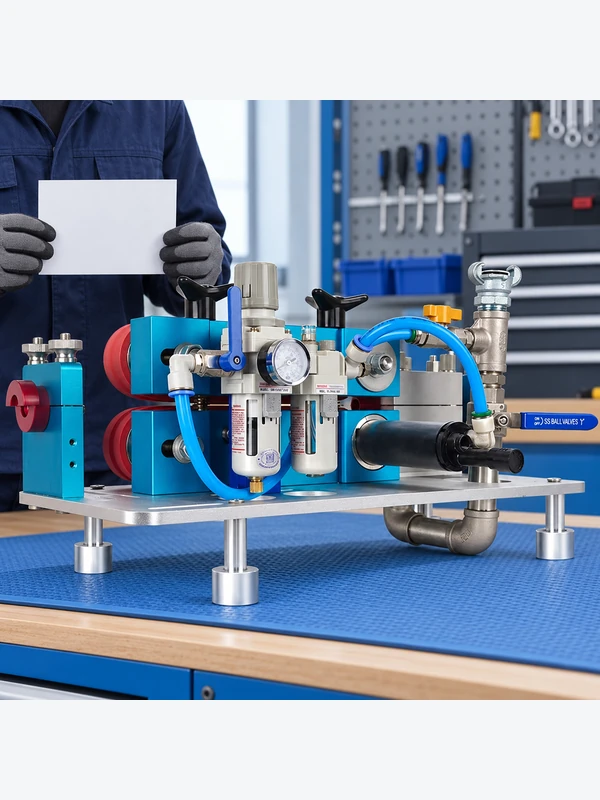
| តំបន់ប្រៀបធៀប | សំណួរសម្រាប់អ្នកផ្គត់ផ្គង់ | ភស្តុតាងដែលត្រូវស្នើសុំ |
|---|---|---|
| ការសមនឹងខ្សែ និងបំពង់ | តើអង្កត់ផ្ចិតខ្សែកាប, លេខសម្គាល់បំពង់, ផ្ទៃ, និងលក្ខខណ្ឌកោងណាខ្លះដែលត្រូវបានអនុម័ត? | កំណត់សម្គាល់ស្តីពីខ្ទង់ប្រតិបត្តិការ និងការវាយតម្លៃលើផ្លូវដំណើរ |
| ការគ្រប់គ្រង | តើកម្លាំងចាប់បញ្ជូន លំហូរខ្យល់ ល្បឿន និងការឈប់ត្រូវបានគ្រប់គ្រងដោយរបៀបណា? | ការពិពណ៌នាអំពីឧបករណ៍គ្រប់គ្រង និងដំណើរការតំឡើង |
| សុវត្ថិភាព | ថាមពលដែលបានផ្ទុក ការការពារ និងការឈប់បន្ទាន់ត្រូវបានគ្រប់គ្រងយ៉ាងដូចម្តេច? | សៀវភៅណែនាំ ព័ត៌មានអំពីហានិភ័យ និងសម្ភារៈបណ្តុះបណ្តាល |
| សេវាកម្ម | តើមានការកំណត់លំនាំដើម គ្រឿងបន្លាស់ដែលខូចទ្រង់ទ្រាយ និងការគាំទ្រការឆ្លើយតបអ្វីខ្លះ? | កាលវិភាគថែទាំ និងបញ្ជីគ្រឿងបន្លាស់ |
តើវិធីសាស្រ្តនៃការបញ្ជូនដោយប្រព័ន្ធហាយដ្រូលិក និងប្រព័ន្ធបញ្ចូលខ្យល់មានភាពខុសគ្នាយ៉ាងណា?
ការបញ្ជាដោយប្រព័ន្ធហាយដ្រូលិកអាចផ្តល់កម្លាំងមេកានិចដែលគ្រប់គ្រងបាន ខណៈប្រព័ន្ធប្រើខ្យល់សង្កត់ប្រើខ្យល់ដែលត្រូវបានសង្កត់ដើម្បីរុញ ឬជួយខ្សែកាប។ វិធីសាស្រ្តទាំងពីរមិនមែនជាវិធីដែលមានសុវត្ថិភាព ឬមានប្រសិទ្ធភាពជាងគ្នាដោយស្វ័យប្រវត្តិនោះទេ។ ហានិភ័យ និងផលិតភាព អាស្រ័យលើការការពារ, ថាមពលដែលត្រូវបានរក្សាទុក, ការរៀបចំផ្លូវ, ការបណ្តុះបណ្តាលអ្នកប្រើប្រាស់, ការកំណត់រចនាសម្ព័ន្ធ, និងការរួមបញ្ចូលគ្នាជាក់លាក់នៃខ្សែកាប និងបំពង់។.
| សំណួរគម្រោង | ការបង្កើនសម្ពាធដោយប្រព័ន្ធហាយដ្រូលិក | ការសង្កត់បំពង់ខ្យល់ |
|---|---|---|
| Force control | Specify pressure, traction and relief controls | Specify air pressure, flow and feed coordination |
| Route preparation | Check alignment, feed path and cable surface | Check duct sealing, airflow path and joint leakage |
| Field records | Record force/settings and interventions | Record air settings, hold checks and interventions |
| Decision boundary | Use only within the approved cable and duct limits | Do not infer performance from compressor capacity alone |
The cable blowing ជួរម៉ាស៊ីន should be reviewed alongside the HDPE microduct specifications and straight connector specifications. A complete system check is more informative than a machine-only comparison.
Compare both machines on a controlled test route
A fair machine comparison needs a common test plan before either supplier begins. Identify the cable manufacturer and construction, OD, duct system and bore, route length, bends, elevation, joins and access points. Agree the permitted lubricant, cable handling, drum arrangement and operating limits. If one machine is tested on a shorter or cleaner route, the result is a comparison of two installations rather than an isolated comparison of machine capability.
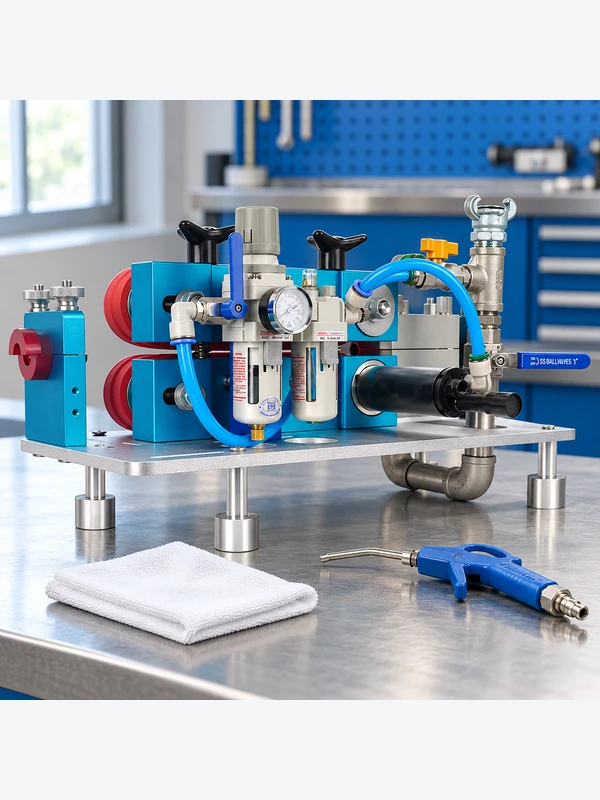
Record utilities under the actual test conditions. A compressor’s advertised maximum pressure does not identify delivered airflow at the machine during the run. Document the compressor, treatment equipment, hose arrangement and relevant operating readings using the approved instrumentation. Distinguish the machine’s cable-drive power from air assistance in the duct. Both hydraulic-drive and pneumatic-drive configurations need a clear account of the energy sources actually supplied.
Agree a comparable test endpoint. Griffioen and Jonker’s IWCS 2021 abstract, published by Plumettaz, discusses how bend-only trajectories and speed resonances can affect blowing tests and recommends consistent end conditions. Its illustrative pressure and speed settings are not universal operating instructions. Apply the lesson about comparability while staying within the cable, duct and machine manufacturers’ approved limits for the tested configuration.
Measure accepted installation output with its qualifications: distance completed, time definition, speed record where available, interventions, stops and any observed cable damage. Record which values are measured automatically, measured manually or not measured. Include setup and recovery time separately from uninterrupted feed time. When a supplier cannot export a parameter, agree a manual record rather than treating a dashboard or headline figure as equivalent evidence.
Check the duct route before sending the installation crew
Verify duct continuity, section length, bends, chamber access, water, obstruction, cable compatibility and joint condition. Inspect every accessible connector for a square cut and full insertion. Qualify a representative cable–duct section using the documented method before releasing production quantities. During the run, log the machine, cable, duct section, settings, start/stop points and any intervention.
Use repair and installation records to compare operating costs
Public connectivity reporting, including the European Commission’s State of the Digital Decade report, describes the continuing importance of fiber-based access. For equipment buyers planning this work, compare documented installations across the contractors and route conditions involved. Fewer repeat visits, maintainable equipment, controlled cable handling and future-accessible pathways are reasonable procurement questions, but they should be supported by project evidence.
Investigate a stoppage before changing the drive settings
A stop is an event to diagnose, not permission to increase force or pressure until the cable moves. Follow the machine’s stop, isolation and stored-energy procedures. Note cable distance, route section, available operating readings and the events immediately before the stop. Keep personnel clear of discharge points and moving equipment. The machine’s manual and project method statement determine the permitted recovery sequence.
Check whether the event points to the pathway, cable handling or equipment. A blockage, water, an unintended bore transition, a leaking joint or drum resistance can change the result without a drive defect. Inspect the safely accessible route and review the cable–duct pairing before another attempt. The connector documentation article explains why joint locations and dimensions belong in the route record rather than in an unrelated materials file.
If a physical condition is corrected, identify what changed before comparing the restart with the first run. Replacing a cable, altering a bend, changing lubricant or substituting a compressor may require a revised acceptance trial. Do not combine the best segment from several differently configured runs into one unexplained performance claim. Keep failed or interrupted runs in the record, along with the stated reason for exclusion if a contractual comparison omits them.
For purchasing, compare total time and support exposure as well as completed distance. A candidate that needs different utilities, specialised wear parts or a service visit has a different ownership requirement. Ask for the applicable maintenance schedule, available spares and the method used to confirm settings. The machine range can identify candidates, while the HDPE microduct specifications and project route establish the boundaries of a meaningful trial.
What to include in a fiber-blowing machine quotation
Ask for a dimensional drawing, approved cable and duct ranges, control limits, safety documentation, test conditions, noise or emissions information where relevant, maintenance intervals, wear parts, training, commissioning support and service response. Treat claims such as “high speed,” “long distance” or “universal” as incomplete until the conditions are stated.
Check compressed-air requirements on hydraulic-drive machines
Identify the cable-feed drive and the air supply to the duct separately. A machine with a hydraulic drive may still use compressed air for cable installation; the supplier must identify the configuration actually offered. Compare its cable feed control, approved pressure limits, connections, guarding and stop procedure rather than assuming the drive label describes every energy source.
As one manufacturer-specific example, Plumettaz’s IntelliBox lists monitoring of pushing force and belt slippage, stopping at preset limits, and recording installation parameters. This supports asking suppliers which variables their offered system measures and controls. It does not establish that every blowing machine has these functions or that another supplier’s machine provides equivalent protection.
Which EU machinery rules apply to a 2026 or 2027 purchase?
Use the date the equipment is first placed on the EU market to determine the applicable machinery rules. The European Commission’s machinery guidance, checked on 7 October 2026, states that machinery placed on the market before 20 January 2027 must comply with Directive 2006/42/EC; Regulation (EU) 2023/1230 applies mandatorily from 20 January 2027. Confirm the applicable scope and conformity route for the specific machine and supplied assembly.
Request model-specific conformity documentation, instructions and the supplier’s explanation of applicable legislation. The Commission warns that additional voluntary certificates are not a recognised substitute for the required conformity procedure. Do not treat a certificate image, an EU sales address or a generic CE claim as proof that the offered configuration is compliant or suitable for the route. Resolve country-specific or classification questions with the relevant authority.
សំណួរដែលសួរញឹកញាប់
Is pneumatic propulsion automatically safer than hydraulic propulsion?
No. Safety depends on stored energy, guarding, emergency controls, training, route condition and the approved procedure.
Can one machine serve every FTTH route?
No. Cable diameter, duct ID, bend profile, access and propulsion method vary by section.
What causes a blowing run to stop?
Check obstruction, leakage, a bend, cable compatibility, feed alignment, lubrication and settings before diagnosing the machine.
Should headline speed decide procurement?
No. Compare route fit, control, safety, records, service and total ownership cost under stated test conditions.
What should operators record?
Record cable and duct IDs, machine configuration, air or feed settings, start/stop points, interventions and route notes.
When is a quotation incomplete?
When it lists motor power or speed without cable and duct limits, safety information, test basis, service scope and spare parts.
Can a hydraulically driven machine also use compressed air?
Yes, depending on its design. Ask the supplier to distinguish cable-drive energy from air assistance and identify the operating limits and safe isolation procedure for each. The drive label alone is not a complete description.
Does a voluntary certificate replace the required EU declaration?
No. Verify the documentation required by the applicable legislation for the exact machine. The Commission’s machinery guidance warns against relying on additional voluntary certificates as a substitute for the prescribed conformity assessment.
Is pneumatic propulsion always faster?
No. Route geometry, cable/duct fit, setup and troubleshooting often determine field productivity more than the drive label.
What should be recorded in a machine trial?
Record cable and duct IDs, air or hydraulic conditions, feed settings, speed, stops, restarts and any cable damage.
What does a route check prevent?
It separates blocked or leaking ducts, tight bends and bad joints from genuine machine limitations before force is increased.
Must both machines use exactly the same headline pressure setting?
The comparison must remain safe and technically meaningful. Define common route, cable, utilities and acceptance conditions, while respecting each machine’s approved limits and documented setup. If configurations require different settings, record and explain them; an identical dial number alone does not make two tests equivalent.
When should a new cable-blowing trial be agreed?
Review the acceptance basis after changes to cable construction or OD, duct bore, route bends, joints, lubricant, compressor delivery or machine configuration. Repeat the checks affected by the change under an agreed procedure rather than assuming the original result applies unchanged.
ឯកសារយោង
- Griffioen និង Jonker / Plumettaz — គោលការណ៍ណែនាំសម្រាប់ការធ្វើតេស្តបញ្ចូលខ្សែកាប, សេចក្តីសង្ខេប IWCS 2021
- គណៈកម្មការអឺរ៉ុប — គ្រឿងម៉ាស៊ីន៖ ការផ្ទេរច្បាប់ដីកាស្តីពី 2006/42/EC និងលិខិតបទដ្ឋាន (EU) 2023/1230
- Plumettaz — IntelliBox: មុខងារត្រួតពិនិត្យ និងរាយការណ៍អំពីការដាក់ផលិតផល
សេចក្តីសង្ខេប
Compare fibre-blowing machines through a documented installation, with the cable, duct, route and utilities controlled well enough to explain the result. Define the test endpoint, distinguish measured readings from catalogue claims and retain stops, interventions and cable-condition observations. If a run stalls, follow the approved stop procedure and investigate the pathway before changing settings. Record any correction or configuration change so a restart is not mistaken for an unchanged comparison. Hydraulic and pneumatic labels describe only part of the system; the final choice should reflect controllable operation, route fit, required utilities, maintenance and service support under the conditions the project will actually use.



