
A マイクロダクトエンドキャップ 緩んで外れる現象は、保守チームに二つの疑問を投げかけます。それは、継手が保持力を失ったのか、それともダクトの気密性が損なわれたのか、という点です。これらの不具合が同時に発生することもありますが、両者を同一の問題として扱うと、原因究明なしに何度も再装着を繰り返すことになりかねません。キャップは、チューブが本来のシール位置に到達する前に締結している場合があります。逆に、キャップ周辺に水が見られるからといって、その水が経路のどこから侵入したのかまでは特定できません。交換部品を発注したりケーブル吹込作業班を手配したりする前に、まずキャップの型式を確認し、ダクトの寸法を測定し、組み付け状態を点検してください。以下のチェック項目により、サイズ不良、準備不良、挿入不良、保持不良を区別し、現場での対応で済む場合と、サプライヤーへの照会が必要な場合を見極めることができます。.
簡潔な答えは、該当箇所を隔離して減圧し、キャップとダクトの正確な適合を確認し、切断部、挿入部、シールおよび必要な保持部品を点検することです。空のダクトには閉塞具が必要であり、ケーブルが通っているダクトにはケーブル周囲に適合するシールが必要です。取り外し可能なエンドキャップは、ブローアウトの準備が整うまで空のダクトを保護し、ケーブルをその開口部から吹き込む前に取り外されます。EN 50411-2-8:2009 は、コネクタの範囲内に開口ダクトの閉塞も含まれていますが、カタログには個々のキャップに対する耐圧等級は記載されていません。普遍的な耐圧基準や補修規則ではなく、モデルの取扱説明書およびルート受入手順に従ってください。.
マイクロダクト用エンドキャップがダクトをしっかり保持しているにもかかわらず、なぜ漏水するのでしょうか?
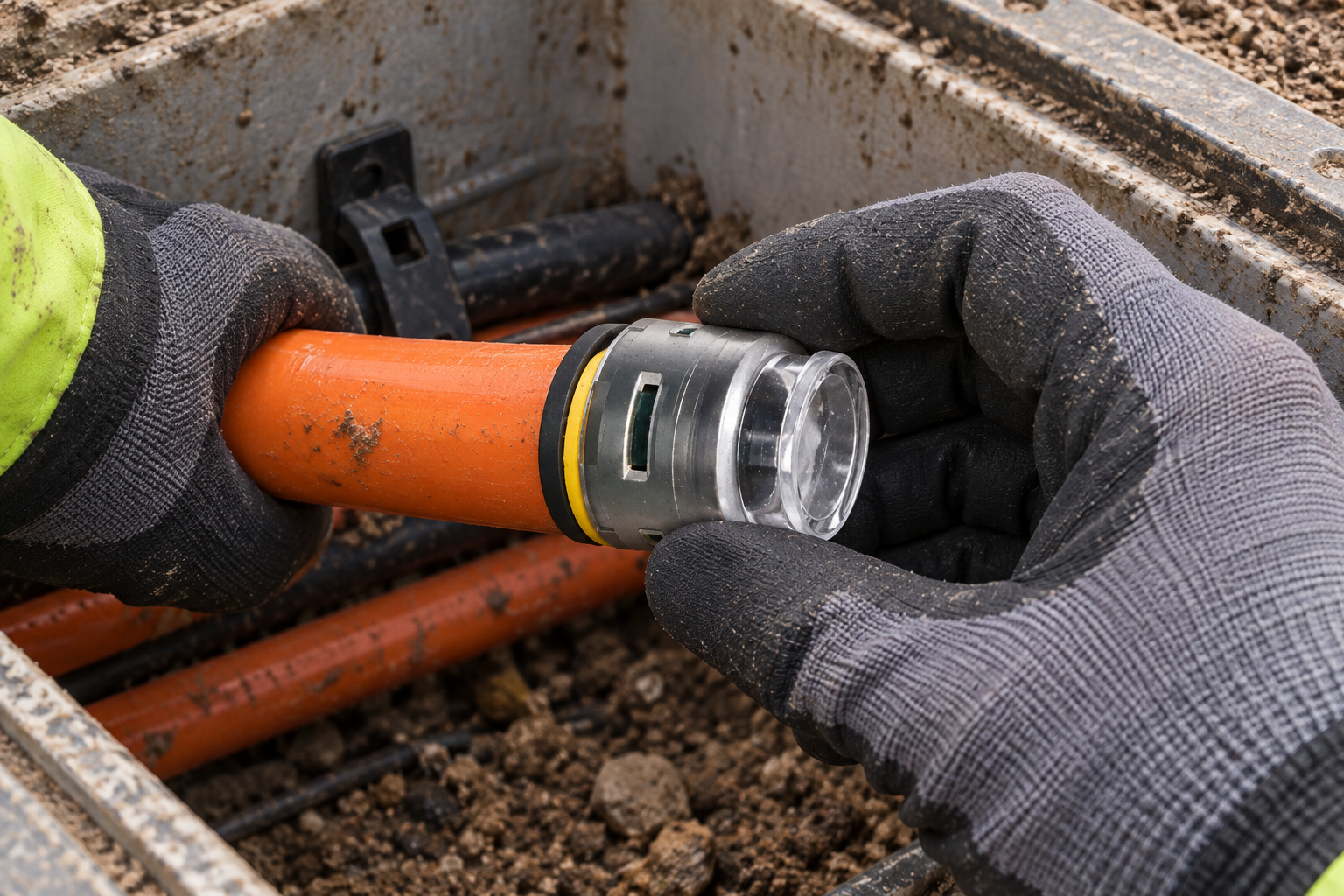
機械的保持と気密性は別々の確認項目です。ダクトを所定の位置に固定しているだけでは、 ダクトシーリングインターフェース 承認された条件の下でシールが機能することを保証します。取り付けられたクリップだけでは、完全な密閉が保証されるわけではありません。.
FCSTの microduct connector installation instruction, published August 2025, 特に、チューブが完全に装着されていない状態で把持されると漏れが発生する可能性があると指摘しています。また、寸法の精度、損傷のない円形のチューブ、直角な切断面、バリの除去を要求しています。これは外部メーカー向けの参考例であり、すべてのエンドキャップに対する設置仕様書ではありません。.
| 確認された症状 | 調査すべき可能性のある原因 | 減圧後の次の操作 |
|---|---|---|
| キャップが動くか、外れる | ダクト外径の誤り、確実な嵌合が不十分、または必要なリテーナーの欠落 | 測定した外径を正確な図面と比較し、挿入状態および指定された保持部品を確認してください。 |
| キャップはしっかり締まっているように見えますが、テストでは漏れが確認されています。 | シール面での不完全な嵌合、汚染、または損傷 | インターフェースを隔離し、準備状態を確認するとともに、モデルの装着インジケーターを検証してください。 |
| ダクトの端部が明らかに楕円形になっているか、損傷している | 不適切なシーリングおよび把持面 | プロジェクトおよび製造業者の指示書の範囲内で音響ダクトを準備できるかどうかを評価し、固定の寸法調整値を指定しないでください。 |
| キャップの周囲を水が取り囲んでいます。 | 経路内の他の箇所での侵入、またはローカルインターフェースの故障 | 経路を調査し、ソースをキャップに割り当てる前にインターフェースを特定してください。 |
| 修正後に動きが復活します | 未解決のジオメトリ、アセンブリ、ハンドリング、または部品の故障 | 再取り付けを繰り返すのは止め、部品はそのまま保持し、寸法および設置記録を提出して審査を受けましょう。 |
これらは調査経路であり、確定された原因ではありません。即席のクランプでは、寸法外のダクトや損傷したアセンブリを解決することはできません。.
エンドキャップを再取り付けする前に、何を確認すべきですか?
公称サイズに頼るのではなく、キャップとダクトを特定してください。外径はキャップの図面と照合し、偏心度を確認するため複数方向で測定してください。ダクトの内径と壁厚は別々の適合情報です。許容差は他社の仕様値ではなく、供給元のものを使用してください。.
次に、切断面および接触面を検査してください。四角く、バリがなく、損傷のない端面が、FCST手順で示されている出発点です。損傷によりトリミングが必要な場合は、チューブの状態および該当する手順に基づいてその範囲を判断し、一律の30-50 mmの余裕を設けるべきではありません。承認された方法で清掃を行ってください。全経路のフラッシングや潤滑剤の塗布がすべてのキャップに適していると仮定しないでください。ダクトに後日ケーブルが収納される場合、最終的なシール要件と ガスブロックコネクター 仮定に基づいて空のダクトキャップを再利用するのではなく。.
モデルに指定された挿入位置を目視で確認し、必要な保持部品を取り付けます。. ロッククリップとガスブロックのシーリング 放出を防止しても、不良なシールが是正されるわけではない理由を説明します。異なるサプライヤーから供給された外観が似たシールやクリップは、自動的に互換性があるわけではありません。.
When should troubleshooting stop and move to supplier review?
Stop and escalate if the model or rating cannot be established, measured geometry falls outside the documented range, the body or sealing surface is damaged, or movement or leakage returns after an approved correction. Keep a suspect assembly out of pressure service until the responsible party determines a suitable remedy. Do not increase test pressure to force an uncertain diagnosis.
Separate grip and leakage observations in the repair record. This is practical traceability advice, not a mandated form.
| Record category | Information worth retaining | サポートする決定 |
|---|---|---|
| Retention | Model, lot/code, measured duct geometry, insertion indication, retainer identity and photographs of movement | Whether the assembly matches its drawing and release-prevention requirements |
| シーリング | Isolated interface, seal condition, medium, approved test procedure, instrument and result | Whether leakage is local and the required sealing condition was evaluated |
| Correction and retest | Preparation performed, approved parts used, assembly state and subsequent observations | Whether correction resolved the original fault or further review is needed |
Preserve the failed cap and duct evidence. Repeated failures across a lot warrant review, but do not establish a manufacturing defect.
How should a temporary cap be removed before cable blowing?
Model-specific removal instructions govern the release method. Isolate the section and confirm depressurization before disassembly. FCST describes removing the clip, pushing the collet and pulling the duct for its covered connector design; apply that sequence to an end cap only when its manufacturer specifies it. A different closure may use a different release arrangement.
Inspect the duct after removal and prepare it under the cable-installation plan. A removable cap protects the waiting duct, not the opening during blowing. If cable occupies the duct, consult end-stop versus gas-block closure selection rather than adapting an empty-duct cap.
What evidence is needed for pressure and outdoor service?
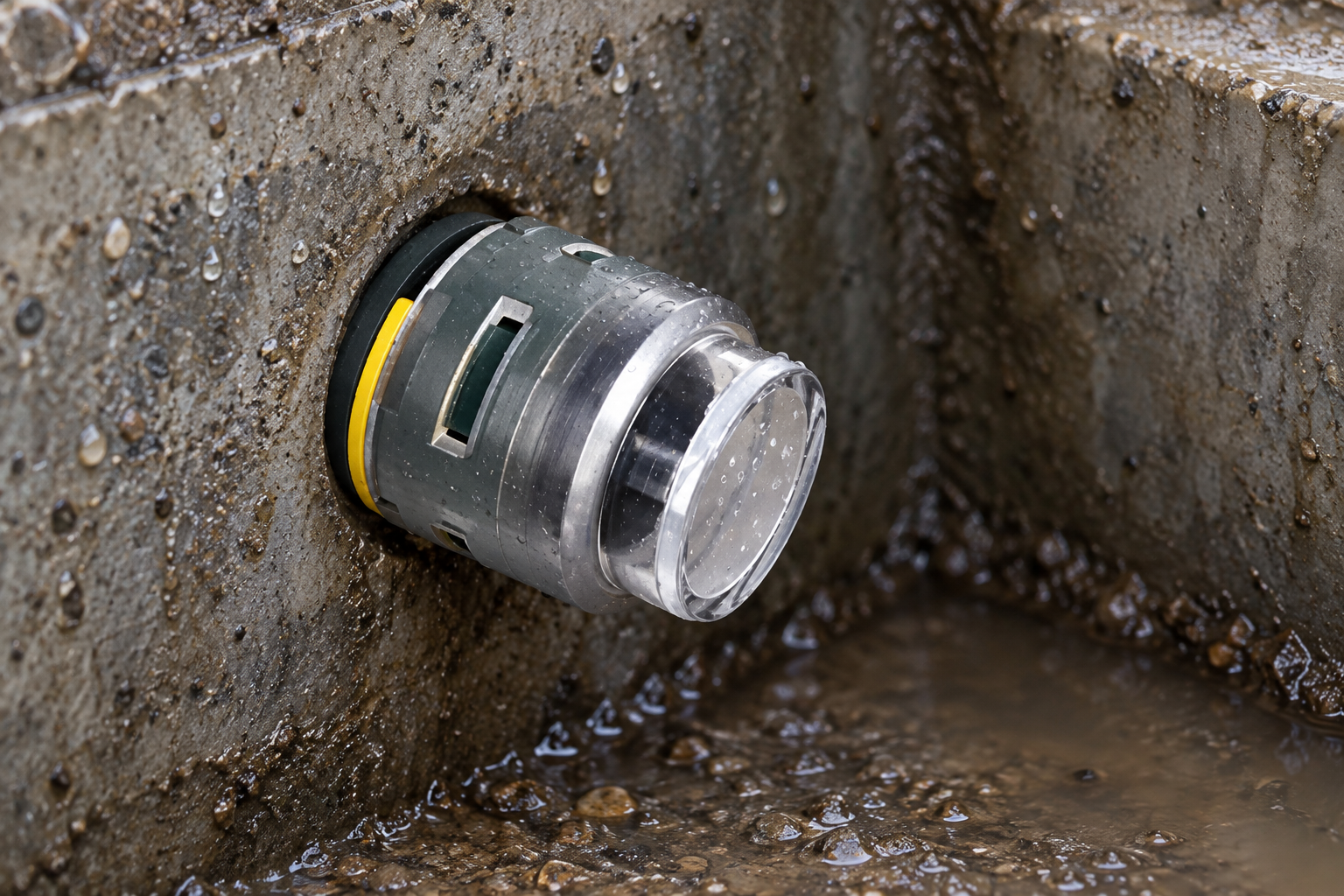
Request the exact model’s installation instructions, service limits and relevant test evidence. The official EN 50411-2-8:2009 catalogue describes initial dimensional, mechanical, optical and environmental requirements for installed blown-fibre microduct connectors in protected installations. It excludes connectors intended for direct sunlight. Citing its name therefore does not prove that a particular cap is UV-qualified or suitable for direct burial.
IEC TR 63431:2025, Microduct technology guidance, covers repairs, environmental expectations and installation guidance, not universal component ratings. Obtain documented temperature and exposure limits; assess burial protection separately. Distinguish component ratings from the route owner’s medium, pressure, duration and acceptance criteria.
What else should maintenance teams ask about loose end caps?
How tightly should the microduct end cap be fitted to stop dust and water?
Fit the documented duct size and achieve the model’s specified seating condition. Extra force or an improvised clamp is not evidence of sealing. A マイクロダクト用ロッククリップ, where required, addresses retention rather than replacing the seal.
Can the microduct end cap remain installed while cable is blown later?
It can protect a vacant duct until blowing preparation if approved for that use. Remove it before blowing cable through that opening; follow the release instructions after depressurization.
What pressure test confirms that the microduct end cap is sealing correctly?
Use the model limits and project-approved procedure, recording the medium, instrument, test conditions and result. No single pressure or hold time applies to every cap, and an empty-duct test does not validate a seal around installed cable.
Is a locking clip needed with every microduct end cap?
Only the exact design instructions establish whether a clip is required and which one fits. A clip can prevent inadvertent release, but cannot correct wrong OD, a crack or a damaged seal.
How do you remove the microduct end cap without damaging the duct?
Isolate and depressurize, then use the maker’s release method. Do not assume every closure has a push-collet mechanism or needs the same tool. Inspect the duct before reassembly or blowing preparation.
What UV and temperature rating should an outdoor microduct end cap have?
Choose documented limits suitable for the intended exposure and exact body-and-seal combination. Direct sunlight, protected chamber use and burial are different conditions; a standard reference alone does not establish suitability.
Can a removed end cap be reused?
Reuse only when the exact manufacturer permits it and inspection and retesting support return to service. There is no universal reuse-cycle allowance or automatic replacement schedule.
What should be sent to the supplier when a cap repeatedly loosens?
Send the model, lot/code, measurements, photographs, test records and correction history. Separate retention from leakage observations and preserve failed components.
Which primary references support these checks?
- FCST, Installation Instruction For Microduct Connector, August 22, 2025: a maker-specific example of preparation, seating, clips and release.
- NEN, EN 50411-2-8:2009 catalogue: connector scope and protected-installation limitations.
- IEC, TR 63431:2025, published September 8, 2025: microduct repairs, environmental expectations and installation guidance.
How can the team decide whether to correct or replace the cap?
A loose cap needs a documented diagnosis, not simply more force or another identical fitting. Establish the model and duct geometry first, then decide whether the observed fault concerns retention, sealing or both. Correct preparation or assembly only within the applicable instructions and record the retest before returning the section to service. Repeated movement, uncertain compatibility or damaged components warrants supplier review rather than repeated trial fitting. Keep the closure in place during the approved waiting period, but remove it before blowing through that opening. Oulu / ANMASPC’s microduct end-cap product page is a starting point for selection; contact the supplier with the measured duct dimensions, intended environment and failure record to request the matching drawing and installation requirements.



