
یک دستگاه هوای فشرده ممکن است در حالت خنثی سالم به نظر برسد و هنگامی که چندین اجراگر با هم حرکت میکنند، قدرت خود را از دست بدهد. یک لوله منعطف خم شده، یک اتصال نشتدار یا یک خط جایگزین غیرضروری طولانی ممکن است تنها در آن نقطه اوج تقاضا مشخص شوند. یک ابزار مفید فهرست بررسی نگهداری شلنگ پلیاورتان بنابراین شامل لولهکشی، اتصالات، مسیر و چرخه عملیاتی میشود، نه اینکه هر مشکل فشار را به عنوان یک نقص کمپرسور در نظر بگیرد.
ابتدا لولهی مخزن و شرایط کاربرد آن را شناسایی کنید. سپس کل مسیر را بررسی کنید، قبل از دستکاری هر اتصال، دستگاه را جدا کنید، قطعات آسیبدیده را تعویض کنید و شرایط اصلی عملیات را بازگردانید. هیچ فاصلهی تعویض یا حد فشار جهانی برای لولههای پلیاورتان وجود ندارد. نوع دقیق سری لوله، دما، مایع و ترکیب اتصالات، حدود کار را تعیین میکنند.
کدام ابعاد شلنگ پلیاورتان باید با قطعه جایگزین مطابقت داشته باشد؟
نام سازنده، سری لولهها، قطر بیرونی، قطر داخلی و هر نوع علامتگذاری قابل مشاهده را ثبت کنید. از قسمت بدون آسیب اندازهگیری کنید نه از انتهای کشیدهشده. جایگزینی با همان قطر بیرونی ممکن است دارای چاهک (بور) متفاوتی باشد، که مساحت جریان در دسترس را تغییر میدهد. رنگ یا شکل مارپیچی مشابه، نشاندهنده سازگاری ابعادی یا شیمیایی نیست.
لولههای انعطافپذیر را از شلنگهای مونتاژشده با انتهای ثابت تشخیص دهید. یک اتصال فشاری معمولاً سطح بیرونی لوله را گرفته و نگه میدارد، در حالی که یک ادامه مترسه به پورت جداگانهای در دستگاه متصل میشود. این دو نوع اتصال نیازمند اطلاعات متفاوتی هستند. برای لوله، قطر، ماده و حالت مشخص شده لازم است؛ و برای قسمت مترسه، نامگذاری دقیق خراش و روش تاییدشده ایزولاسیون مورد نیاز است.
| عنصر برای ثبت | چرا مهم است | جایی که میتوان آن را تأیید کرد |
|---|---|---|
| قطر بیرونی لوله | شناخت رابط مناسب | مشخصات علامتگذاری، اندازهگیری و نصب لوله |
| قطر داخلی لوله | بر محدودیت جریان اثر میگذارد | برگه جزئیات دقیق لولهکشی |
| فشار کاری در دما | محدوده عملیاتی مجاز را تعریف میکند. | نرخبندی سری خاص یا منحنی کاهش نرخ |
| معرض مایع و بیرونی | بر مناسب بودن لولهها و پیمانکاران تأثیر میگذارد | اطلاعات سازگاری نوشته شده |
| انتقال طول و مازاد خم | از کشش و تخت شدن محلی جلوگیری میکند | دستورالعملهای حرکت و مسیریابی دستگاه |
توضیحات خرید قبلی را همراه با سوابق نگهداری حفظ کنید، اما فرض نکنید که آن دقیق بوده است. اگر یک نقص مکرر پس از چندین جایگزینی یکسان اتفاق افتاده است، الزامات طراحی اصلی را با قطعه تحویلشده مقایسه کنید. تکرار یک اشتباه خرید میتواند دلیل واقعی تعطیلی مکرر خط را پنهان کند.
لولههای هوای پییو در کدام قسمتهای تجهیزات متحرک فرسوده میشوند؟
با توجه به اینکه دستگاه به طور ایمن متوقف شده است، به دنبال ساییدگی، برشها، خمهای مسطح شده، فروپاشی، سخت شدن و رنگزدگی باشید. قسمت پایین لوله را که با یک قاب تماس دارد، بخش کنار یک قطعه داغ و نقطه اتصال به هر اتصال را بررسی کنید. تنها ظاهر سطح نمیتواند نشاندهندهی قدرت باقیمانده باشد، اما آسیبهای قابل مشاهده دلیلی برای خارج کردن قطعه از کار و بررسی عوامل مؤثر بر آن هستند.
مسیر را با استفاده از روش بازرسی ایمن سازنده دستگاه در تمام مسیر حرکت دستگاه بررسی کنید. یک بطری که در یک موقعیت شل است، ممکن است در موقعیت دیگر محکم شود. بطری منبسطشونده نباید بهعنوان مانع حرکت عمل کند یا وزن ابزار را تحمل کند. برای بررسی مبتنی بر علائم، از راهنمای جداگانه استفاده کنید تا لوله هوایی پلیاورتان دچار نشتی و خم شدن میشود..
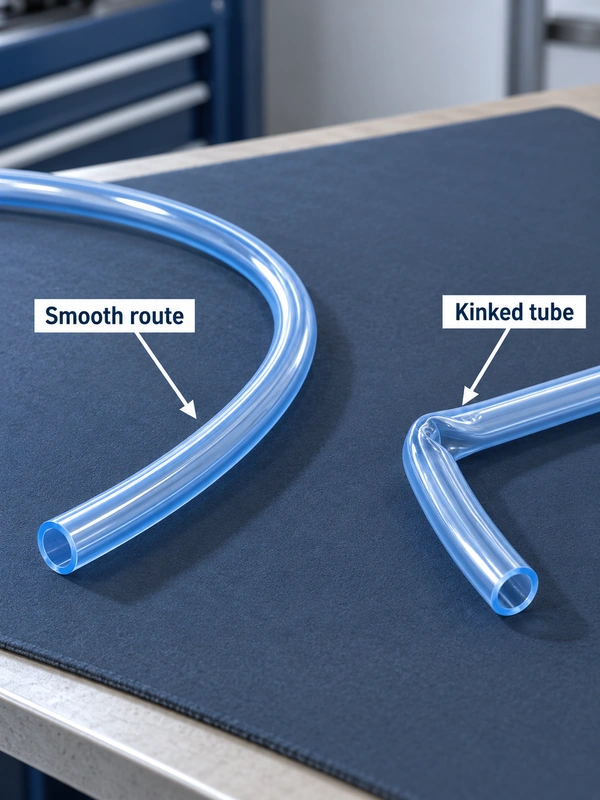
جلاکها و راهنماها همچنین لوله را بررسی کنید. یک جلاک بیش از حد محکم شده میتواند داخل لوله را صاف کند؛ در حالی که یک پشتیبانی شل میتواند باعث اصطکاک مکرر شود. لوله را از لبههای تیز فلزی و نقاط گیر کردن دور نگه دارید، و همچنین شعاع خمش حداقل تعیینشده برای لوله واقعی را حفظ کنید. یک محافظ میتواند آسیب ناشی از تماس را کاهش دهد، اما این موضوع لولهای که برای مقاومت در برابر حرارت یا مواد شیمیایی طراحی نشده است، مناسب نمیکند.
دمای محیط چگونه بر محدوده فشاری لوله پلیاورتان تأثیر میگذارد؟
یک مقدار فشار در دمای اتاق، مجوز عملیات با آن فشار در کنار یک بدن ماشین گرم نیست. کاتالوگ TU/TIUB شرکت SMC، به عنوان مثال، فشار عملیاتی حداکثر را در دمای 20°C ارائه میدهد و اطلاعات وابسته به دما را ارائه میکند. این اعداد مربوط به همان سری است؛ نباید به یک لوله غیرمعاین شده از تامینکننده دیگر منتقل شود.
از پایینترین حد مجاز بین لوله، اتصالات، شیرها و سایر اجزا استفاده کنید. هنگام دریافت تأیید، گذرهای فشاری و دمای واقعی محیط و سیال را نیز در نظر بگیرید. فشار انفجار شرایط آزمایشی متفاوتی را توصیف میکند و نباید به تنظیم عادی عملیاتی تبدیل شود. در صورت عدم وجود شناسه بسته، جایگزینی آن با قطعهای مستند شده از حدس زدن مشخصات آن بر اساس ظاهر، قابل اعتمادتر است.
اگر فشار سوئیچ در زیر بار کاهش یابد، در نقاط مرتبط با استفاده از یک سیستم تأییدشده اندازهگیری کنید. محدودیت جریان، تأمین ناکافی، تنظیمات رگولاتور و نشتی میتوانند علائم مشابهی ایجاد کنند. افزایش فشار تأمین قبل از یافتن علت ممکن است محدودیت جریان را پنهان کند، در حالی که دیگر قطعات را در معرض استرس بیشتر قرار میدهد.
آیا شلنگ پلیاورتان با آب، روغن و مواد شوینده سازگار است؟
سازگاری لولههای پلیورتان وابسته به فرمولاسیون و شرایط عملیاتی است. SMC برای لولههای مشخص شده TU/TIUB، هوا و آب را ذکر میکند، در حالی که راهنمای TUH آن از آب منع میکند، زیرا هیدرولیز میتواند عمر خدماتی را کوتاه کند. این یک مثال عملی است که نشان میدهد چرا تنها نام مواد نمیتواند تأیید را تعیین کند.
Ask about both the conveyed fluid and substances that touch the outside: compressor oil carryover, cleaning spray, coolant, adhesive and disinfectant can be different exposures. Obtain compatibility for the concentration, temperature and duration involved. The tube and fitting seals must both be suitable. The detailed discussion of PU tube oil, water and chemical compatibility explains why a generic resistance claim is insufficient.
Food-contact or clean-air requirements need separate documentation. A hose used near a food process is not automatically approved to touch food, and a clean-looking tube does not demonstrate a particular air-purity class. Define the actual contact zone and process requirement before purchasing replacement parts.
How to cut PU tubing and reconnect it without damaging the seal
Isolate the air supply, release stored pressure and follow the machine’s energy-control procedure before disconnecting tubing. Use the cutting tool specified for the material to produce a square, clean end without flattening it. Remove a damaged section only when the remaining hose length still permits correct routing throughout the machine’s travel.
Inspect the sealing surface and fitting entrance for scratches or contamination. Insert to the manufacturer’s specified depth and perform its retention check. Do not use tape on the tube outside surface to compensate for a loose push-in connection. If the fitting contains a threaded adapter, confirm BSPP, BSPT or NPT from the actual component identification rather than judging by diameter alone.
Follow the fitting’s reuse instructions. SMC’s KQG2 precautions illustrate that removal and reinsertion rules can be specific to the fitting family and tube condition. A general statement that all push-in fittings can be reused indefinitely would be misleading. Replace a damaged gripping or sealing component according to the maker’s service policy.
| شرایط مشاهده شده | اولین تحقیقات | Repair decision |
|---|---|---|
| Leak at a tube entry | Diameter, end condition, seating and fitting damage | Replace affected parts; verify the connection |
| Pressure loss only during motion | Kink, tension or rubbing at the travel limit | Correct routing and replace damaged tubing |
| Tube becomes soft or swollen | Fluid, cleaner and temperature exposure | Confirm compatibility before selecting a replacement |
| Repeated failure at one bracket | Support geometry and movement | Remove the contact cause, not just the failed section |
How to check a replacement air hose under machine load
Restore service through the machine’s approved commissioning procedure. Check for leakage and repeat the cycle that originally exposed the fault. Compare pressure at the same location, with the same demand and comparable operating conditions. A quiet connection at idle is useful evidence, but it does not establish adequate flow during simultaneous actuator movement.
The US Department of Energy recommends a continuing compressed-air leak programme covering identification, tagging, tracking, repair and verification. Apply that principle to the maintenance record: note the fault location, removed component, replacement specification, routing change and post-repair result. Avoid claiming an energy saving without measured system data.
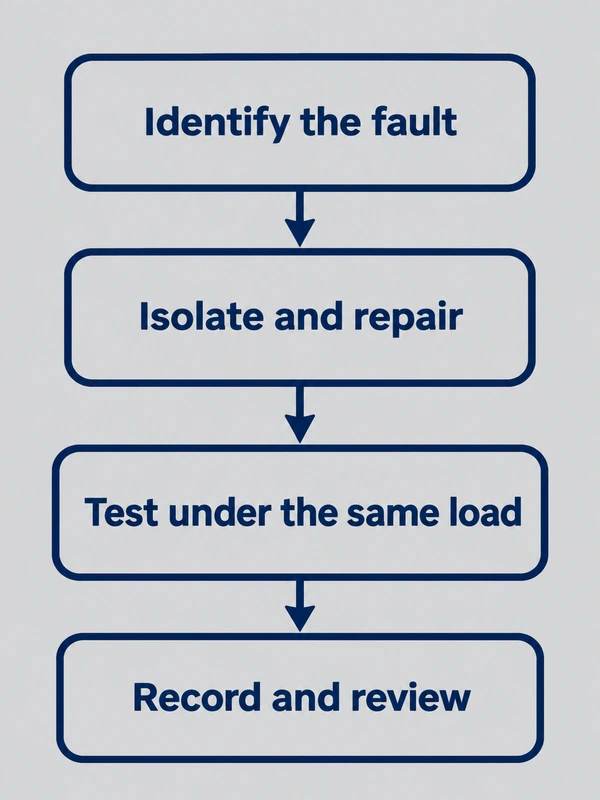
Set inspection frequency from duty, movement, exposure and failure history. A frequently flexing line near abrasive debris deserves closer attention than protected stationary tubing. Shorten the interval after a routing change or repeated failure, then review the findings. This makes preventive hose inspection responsive to the equipment rather than an arbitrary calendar exercise.
سوالات متداول
What pressure and temperature limits apply to a PU hose?
Use the exact tubing datasheet and its temperature conditions. Check the complete assembly against its lowest-rated component. Do not substitute a burst pressure for a working limit or apply another manufacturer’s polyurethane rating to an unidentified hose.
How do you match PU hose fittings to a threaded machine port?
The hose itself is normally matched by tube dimensions and fitting type. Threads belong to an adapter or machine port. Identify that thread separately and use its specified seal; BSPP, BSPT and NPT are not interchangeable simply because they look similar.
How should PU tubing be cut and inserted into a push-in fitting?
Depressurize first, make a square undamaged cut with the correct tool, inspect the outside sealing surface and insert to the fitting’s required depth. Follow the manufacturer’s retention and reuse instructions rather than relying on an improvised pull test.
Can PU hose carry oil, water or chemicals?
Only when the particular tubing and fitting materials are approved for the fluid and conditions. Different polyurethane formulations have different restrictions. Include external cleaners and temperature in the compatibility request, even when the internal fluid is only compressed air.
How often should PU air hoses on an automated line be inspected?
Follow the equipment maintenance plan and adjust it for motion, abrasion, heat, contamination and previous failures. Inspect after interventions and unexplained pressure changes. There is no evidence-based universal interval covering every automated line and every PU formulation.
How does polyurethane compare with nylon tubing?
Compare specified bend radius, stiffness, pressure-temperature limits, fluid compatibility and fitting approval for the actual grades. Flexible handling alone does not make PU the best choice, and a nylon label alone does not guarantee higher performance in your application.
مراجع
- SMC, TU/TIUB and TUH polyurethane tubing catalogue: series-specific dimensions, operating conditions and water restrictions.
- SMC, KQG2 fittings catalogue and precautions: fitting-specific handling and tubing installation considerations.
- وزارت انرژی ایالات متحده، کاهش نشت هوای فشرده: recurring leak identification, repair and verification.
خلاصه
A sound hose repair starts with the correct tubing specification and ends with a working machine checked under its real demand. Inspect the complete route, correct the reason for damage, use compatible fittings and document the result. Replacing the hose without addressing heat, movement or restriction leaves the original fault in place.
For replacement sourcing, compare the PU spring recoil pneumatic air hose with your recorded dimensions, required working length and service conditions. Ask for written confirmation of pressure, temperature and fluid suitability before approving it for the machine.



