
FTTX یک محصول واحد یا وعدهای که هر مشتری مسیر فیبر نوری یکسانی دریافت کند، نیست. بلکه خانوادهای از معماریهای دسترسی است که در آن مقصد نهایی فیبر تغییر میکند: منزل، ساختمان، لبه جاده یا گره. این تمایز مهم است زیرا بخش باقیمانده مسی یا داخل ساختمان، کارهای عمرانی، منابع انرژی و برنامه نگهداری میتوانند به اندازه کابل نوری، نتیجه را تعیین کنند. این راهنمای بازنگریشده توضیح میدهد که FTTX واقعاً چه چیزی را تغییر میدهد، چگونه باید معماریها را مقایسه کرد و اتصالات میکروکانال در یک پیادهسازی کنترلشده کجاست.
FTTX، فیبر نوری را در بخشی از حلقه محلی یا کل آن جابجا میکند، اما “X” بخش باقیمانده و مرز مهندسی را تعیین میکند. FTTH تا داخل ساختمان رسیده؛ FTTB تا ساختمان میرسد؛ در حالی که FTTC و FTTN زودتر متوقف میشوند. معماری مناسب را بر اساس اقتصاد مسیر، دسترسی به نقطه پایانی، ظرفیت، قابلیت خدماتدهی و الزامات محلی انتخاب کنید، سپس قبل از نصب کابل، مجموعه کامل لولهکشی و اتصالات را اعتبارسنجی کنید.
FTTX چگونه از یک حلقه دسترسی مسی سنتی متفاوت است؟
فیبر نوری اطلاعات را به صورت نور انتقال میدهد و کمتر از رسانههای دسترسی فلزی تحت تأثیر تداخل الکترومغناطیسی قرار میگیرد. با این حال، بیان “فیبر سریعتر است” یک مشخصات کامل پروژه نیست. خدمات ارائه شده به کاربر بستگی به الکترونیک دسترسی، بودجه نوری، بخش محلی باقیمانده، معماری تقسیمشده، توان، وضعیت مسیر و تجهیزات مشتری دارد.
| معماری | جایی که فیبر متوقف میشود | چه چیزی برای برنامهریزی باقی مانده است؟ |
|---|---|---|
| فیبر نوری تا خانه | خانه یا مکان | مسیر افتادن، ورودی، ONT/ONU و توزیع درون ساختمانی |
| FTTB | اتاق ارتباطات ساختمان | رایزر، توزیع طبقاتی، برق و دسترسی به ساختمان |
| FTTC | کابینت کنار خیابان | قدرت سوئیچهای کابینتی، باند پشتی و بخش نهایی محلی |
| FTTN | گره محلهای | موقعیت گره، ظرفیت فیدر و تجهیزات دسترسی باقیمانده |
کدام شرایط پروژه به نفع هر یک از گزینههای FTTX است؟
| شرط | معماری برای بررسی | شواهد مورد نیاز است |
|---|---|---|
| توسعه جدید خانههای تکخانوادهای | FTTH با خطوط اتصال قابل دسترس و مسیرهای پشتیبان | طرح بسته، مسیر ورود و مرز خدمات |
| ساختمان آپارتمانی موجود | FTTB یا FTTH بسته به دسترسی از طریق سیستم رایزر | بررسی رایزر، بازبینی آتشسوزی/کد محلی و طرح نقطه پایانی |
| مسیر روستایی طولانی | مقایسه فیبر عمیقتر با پیادهسازی مرحلهای گرهها | طول بخشها، نقاط دسترسی و جزئیات لجستیک تعمیر |
| شبکه مختلط باقیمانده | بهروزرسانی چندمرحلهای با انتقالهای سنجیده | دادههای واقعی لوله/کابل و معیارهای پذیرش |
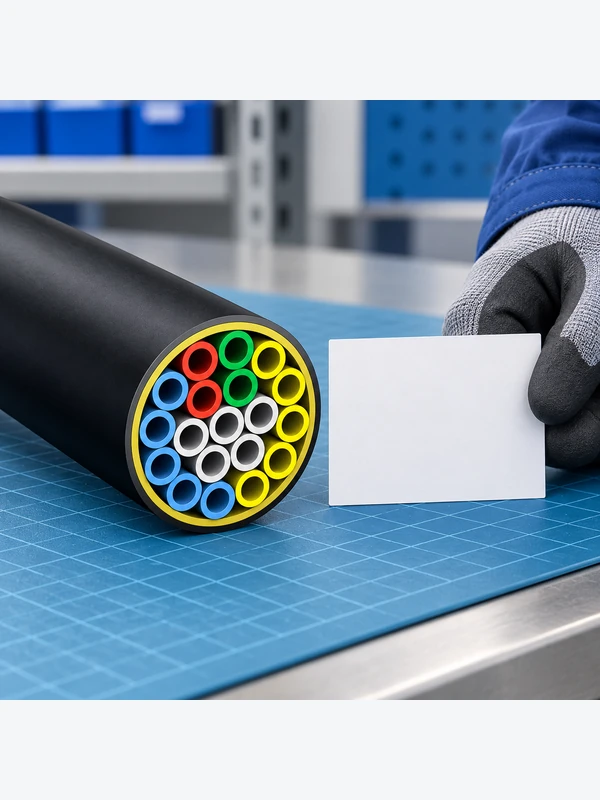
برای یک مسیر نوری مرحلهای، ال دستهبندی میکروکانال HDPE باید با مشخص کردن قطر بیرونی، قطر داخلی، ضخامت دیواره، وضعیت مسیر و روش شناسایی تعیین شود. یک اتصال تنها به این دلیل که اندازهٔ چاپشده آن شبیه به یکی دیگر است، قابل جایگزینی نیست.
پیوندهای میکروکانال در کجا به پایداری FTTX اثر میگذارند؟
پیوستها لولههای با اندازه یکسان را به هم وصل میکنند، انتقال بین اندازهها را انجام میدهند، مسیرهای پشتیبان را بسته میکنند یا جابجایی گاز و آب را در مواردی که بستنی با طراحی خاص مورد نیاز است، کنترل میکنند. تأثیر آنها موضعی اما مهم است: ورود ناقص، آسیب دیدن پیمانه یا انتقال نادرست میتواند مسیر قابل استفاده هوایی را کاهش دهد و فرآیند بادکشی را به تأخیر بیندازد. از میان زیر انتخاب کنید: فهرست محصولات بر اساس میزان جذب نور (OD) و عملکرد اندازهگیری شود، سپس قبل از خاکپوش یا پوشاندن، اتصال سوارشده را بازرسی کنید.
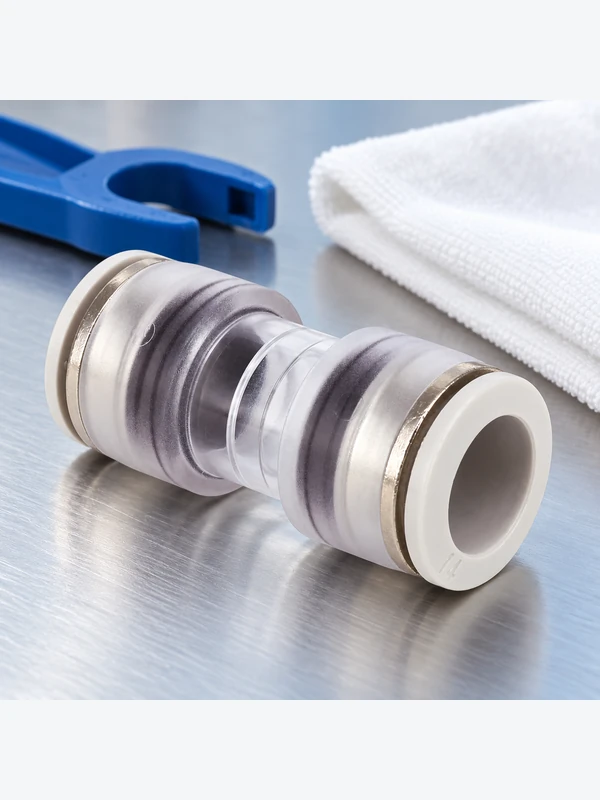
در هر اتصال کانال، کانال را به صورت مربع برش دهید، منطقه ایمنسازی را تمیز کنید، عمق ورود مشخص شده را علامتگذاری کنید و اتصال را بدون بار جانبی قرار دهید. شماره قطعه و موقعیت را ثبت کنید، سپس روی بخش تست تعیین شده از رویه فشار یا نشتی پروژه استفاده کنید. IEC 60794-5-20 حوزه مشخصات را برای واحدهای فیبریکانالهای کوچک، کانالهای کوچک و کانالهای کوچک محافظتشده برای نصب با روش فویشی ارائه میدهد. این استاندارد جایگاه بیان روش مالک شبکه را نمیگیرد، هیچیک از شرایط آزمون میدانی را تعیین نمیکند و یک اتصال غیرتعیینشده را تأیید نمیکند. هنگام بستن گزارش واگذاری، از تنظیمات نصبشده و معیارهای قبولی توافقشده استفاده کنید.
ثبتهای پذیرش FTTX باید هر مرز انتقال را چگونه شناسایی کنند؟
بخش مسیر، شناسههای لوله و کابل، SKU اتصالدهنده، ابعاد اندازهگیریشده، بررسی ورود، نحوه تنظیم آزمون فشار، زمان ثبات، خوانشهای شروع و پایان، دما و هرگونه عملیات اصلاحی را ثبت کنید. در صورت تغییر خوانش، قبل از اینکه به این نتیجه برسید که یک اتصالدهنده مدفون دچار نقص شده است، درپوشهای موقت، مترها و بخشهای کوتاهتر را جدا کنید. این سوابق برای گسترشهای آینده ارزشمند هستند، زیرا محدودیت مسیر را از محدودیت تجهیزات متمایز میکنند.
معماری FTTx FTTx یک خانواده از گزینههای نقطه پایانی است، نه یک روش نصب. FTTH, FTTB, FTTC و FTTN بخشهای مختلفی را برای طراحی، تأمین انرژی و نگهداری باقی میگذارند. راهنمای عمومی VIAVI، FTTx را به عنوان موضوعی در زمینه طراحی و آزمون شبکه مورد بررسی قرار میدهد؛ بهبود مفید منابع خرید این است که هر تصمیم معماری را به یک شناسه مسیر و یک سند پذیرش جداگانه متصل کنیم.
| مرز | چه چیزی باید اثبات کند | آنچه نمیتواند ثابت کند |
|---|---|---|
| پذیرش لوله هوا | پیوستگی، ابعاد، جوشها، بسته شدن و وضعیت مسیر | تلفات نوری کابلی که هنوز نصب نشده است |
| نصب کابل | هویت کابل/کانال، دستگاه، تنظیمات و اقدامات مداخلهای | هر رویداد نوری یا نتیجهی خدماتی |
| پذیرش نوری | موجهای مشخص، طول موجها، گذر و ثبت رویدادها | حالت یک لوله پشتیبان استفاده نشده |
از یک شناسه بخش مشترک در تمام سوابق مدنی، لولهگذاری، فشردهسازی و اپتیکی استفاده کنید. برای انتقال میکرولوله، به صورت مربع ببرید، سطح پیچیدن را تمیز کنید، اتصال را قرار دهید، قطعه و موقعیت را ثبت کنید و قبل از نصب کابل، از روش پروژه استفاده کنید. محل... دستهبندی میکروکانال HDPE و اطلاعات دستگاه بادکننده نقطههای شروعی برای یک توصیفنامه مستند هستند، نه مدرکی برای اثبات اینکه یک مسیر مناسب است.
اصطلاحات رسمی زبان هدف برای محصولات و مفاهیم فنی را حفظ کنید. نثر روان و عنوانها و دکمههای موجز بنویسید. اطلاعات، شرایط، برندها، کدها، واحدها، HTML و پلاسهولدرها را حفظ کنید. هرگز بخشهای ناقص را گسترش ندهید یا ادعای جدیدی اضافه نکنید.
Why must duct acceptance and optical acceptance be separate?
A duct pressure or continuity check cannot establish the optical loss of a fibre that has not yet been installed. Conversely, a passing optical test does not document the condition of every spare duct. Use separate acceptance packages for the pathway and the optical link, connected by the same route identifiers. This is a recommended handover structure; exact procedures and limits belong in the project specification.
برای optical acceptance testing, distinguish overall insertion loss from individual-event characterization. راهنمای OTDR شرکت Fluke Networks explains that an optical loss test set measures total insertion loss, whereas an OTDR characterizes events such as connectors, splices and bends. Set the relevant fibre type, wavelengths, test directions and instrument settings for the actual network. Do not apply one blanket loss limit or enterprise-cabling test tier to every PON route.
Which records should connect civil work, cable installation and service handover?
Use a common section identifier across the duct acceptance record, cable-laying record and optical report. The pathway package should identify the installed duct, accessible joints, transitions and agreed preparation checks. The laying package should identify the actual cable and machine configuration, settings and interventions. The optical package should identify tested fibres, endpoints, test methods, results and corrective work. Include as-built changes instead of leaving the original design drawing as the only route record.
Where room-level distribution follows FTTH, that is another handover boundary rather than a substitute for the outside access network. The راهنمای مقایسه FTTR و FTTH explains the difference. Specify which team owns each boundary and who closes outstanding defects. A network is ready for its agreed service only when the required checks are complete, not merely because the ducts are buried or the cable has reached the far chamber.
Who should close outstanding issues at each FTTX handover?
Assign responsibility at the same boundaries used in the architecture and acceptance records. The team completing civil work should identify the actual route and any changes to access or chamber locations. The pathway team should identify which duct sections and joints have passed the agreed preparation checks. The cable and optical teams should identify what was installed and tested, using the same section and fibre identifiers.
Keep incomplete work visible instead of combining unlike results into one network-ready statement. An accepted duct section does not mean that its cable has been installed, and a successful optical test on an occupied duct does not verify the condition of every spare pathway. Record the owner of each outstanding action, the affected section and the evidence needed to close it. The exact test methods and limits should remain in the project specification.
Before service handover, compare the final records with the selected architecture. Confirm where fibre stops, which remaining segment is in scope and which team owns endpoint power, access and maintenance. If a component is substituted, update its identity and supporting documentation rather than leaving the original part in the as-built schedule. This makes the handover usable for expansion and fault finding as well as for completion reporting.
سوالات متداول
Does FTTX always mean FTTH?
No. FTTX is the family term; FTTH is only the architecture whose fiber reaches the home or premises.
Does fiber eliminate all access bottlenecks?
No. Split ratios, electronics, remaining copper, optical budget, route condition and customer equipment can still limit service.
Why reserve spare microducts?
Accessible spare pathways can support later cable placement without repeating civil work, but only when they are sealed, labeled and recorded.
How should a connector size be chosen?
Measure the actual duct outside diameter and compare it with the connector’s approved range and function. Do not rely on nominal labels alone.
Can a standards reference replace a field test?
No. The standard’s scope and test method must be matched to the exact component and project; the assembled route still needs acceptance evidence.
What equipment is needed for air-blown fiber?
Use a cable blowing machine whose approved cable, duct, control and safety envelope matches the route. Confirm the combination before mobilization.
Can OTDR testing replace every insertion-loss measurement?
Not automatically. Fluke’s guide distinguishes event characterization from total insertion-loss verification. Follow the specified acceptance method and use the required instruments; do not approve a link from a trace alone when the contract requires a separate loss measurement.
Should duct preparation and optical tests use the same pass criteria?
No. They assess different systems. Define pathway criteria before blowing and optical criteria for the installed link, then connect both sets of results through route and fibre identifiers.
Does the FTTx label specify the endpoint equipment?
No. It describes where fiber stops. ONT/ONU, splitters, power and remaining access segments need a separate design.
مراجع
- IEC 60794-5-20: microduct fibre units and microducts installed by blowing
- IEC standards portal (verify the applicable 60794-5 edition)
- European Commission, State of the Digital Decade 2025
- VIAVI FTTx design and testing context
خلاصه
FTTX describes where fibre reaches, while the complete route determines what must be built and accepted. Choose the endpoint and remaining access segment from the project’s service and site requirements, qualify the duct-and-connector path before cable installation, and keep optical acceptance separate from pathway checks. Use a shared route identifier and clear ownership at each handover. Match the فهرست محصولات to the approved dimensions and functions so future repairs can trace the installed assembly.



