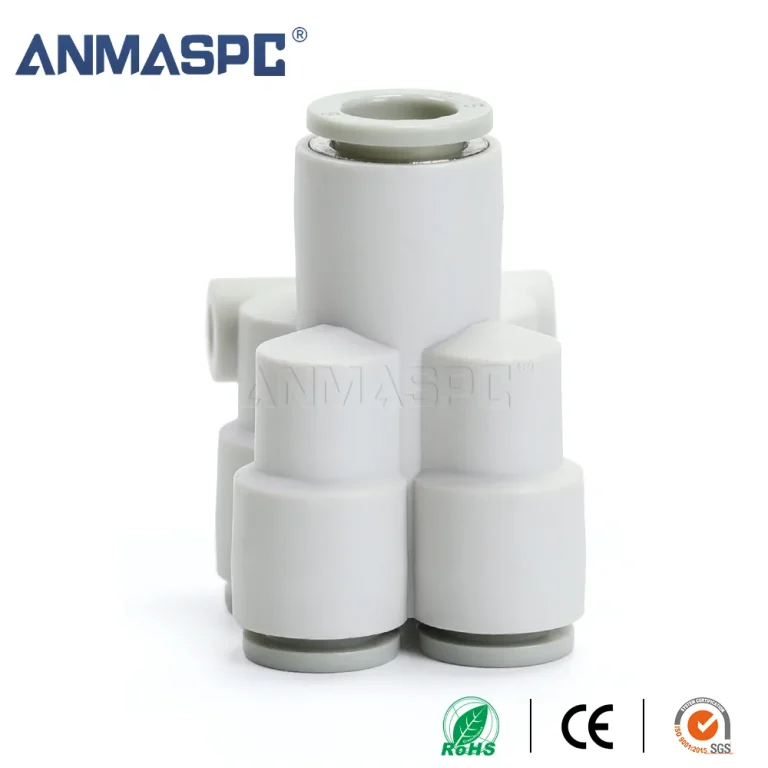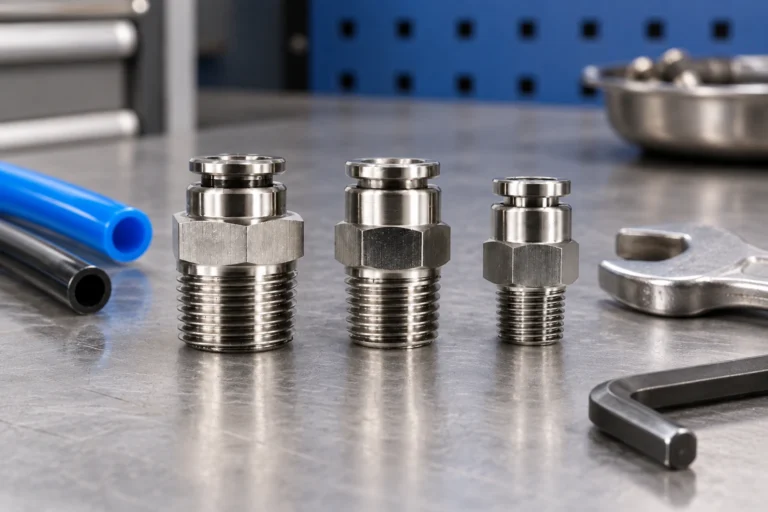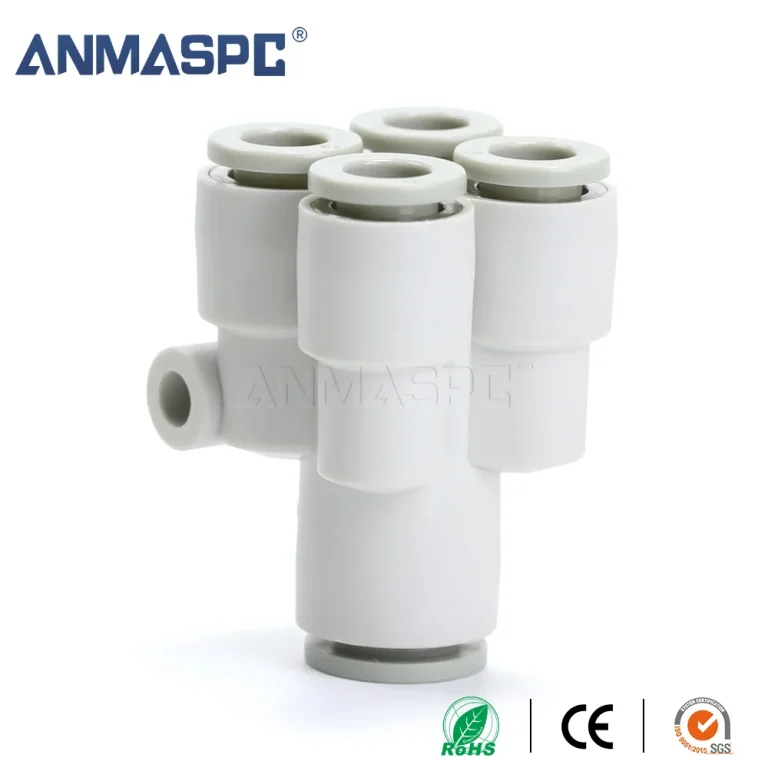
The typical structure of the air-blown micro-cable system is the main pipe-micro-pipe-micro-cable, the main pipe can be put in the concrete pipe hole, and new routing construction can also be carried out. In the HDPE or PVC main pipe that has been laid, or pre-lay the main pipe and micro-pipe on the new optical cable route, it can be worn through the pipe or blown with a cable blower. The number of microtubes that can be placed in the main tube mainly depends on the requirements of mechanical protection. The sum of the cross-sectional areas of the microtubes (calculated based on the outer diameter of the microtubes) must not exceed half of the cross-sectional area of the main tube. Fill the micropipe with continuous airflow, and use the airflow in the pipe to push and pull the surface of the microcable to lay the microcable into the micropipe.
Microtubes are usually blown into the main tube in bundles at one time. Due to the high-pressure airflow, the optical cable will be in a semi-suspended state in the pipeline, so changes in terrain and bending of the pipeline have little effect on cable laying. The microcable is blown into the microtube by the air blower, and can be blown 1.6km at a time. In this special construction environment, the microcable should have appropriate rigidity and flexibility, the friction between the outer surface and the inner surface of the microtube should be small, and the shape and surface morphology of the microcable are conducive to generating a large push-pull force under the airflow , microcables and microtubes have mechanical properties, environmental properties suitable for blowing in microtubes, and optical and transmission properties suitable for system requirements.

The air-blown micro-cable method is an outdoor optical cable laying technology with excellent mechanical properties and strong protection functions. It is applicable to all levels of the network and has the following advantages:
(1) The initial investment is small, saving up to 65% to 70% of the initial investment compared with traditional network construction methods.
(2) It can be used for newly deployed HDPE main pipes or existing PVC main pipes, and can be connected to new users without affecting the normal operation of optical cables that have been opened.
(3) The optical fiber assembly density is high, and the tube hole resources are fully utilized by laying reusable sub-tubes.
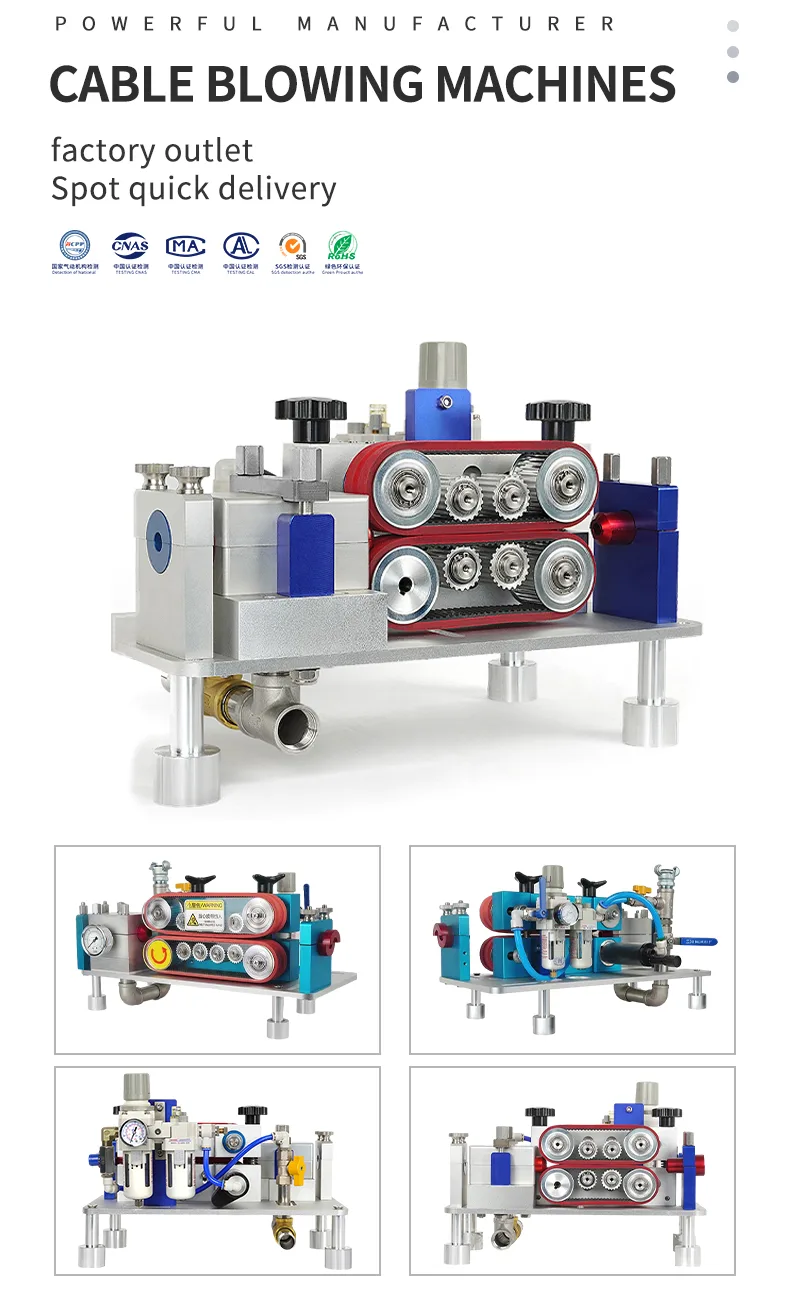
(4) The fiber optic cable can be blown in batches with the increase of communication business volume to meet the needs of users in a timely manner. It is convenient to adopt new types of optical fibers in the future and maintain technically.
(5) It is easy to expand in parallel and vertically, reduce the workload of trenching, and save the cost of civil engineering.
(6) The air blowing speed of the micro cable is fast and the air blowing distance is long, and the laying efficiency of the optical cable is greatly improved.
2026 installation update: qualify the route before blowing fiber
An air-blown system joins a compatible microcable, microduct route ve blowing equipment. Current guidance places more emphasis on empty-duct qualification, route records and controlled feed than on a universal pressure or distance claim.
| Before the run | Evidence to record |
|---|---|
| Route | Continuity, bend points, access, obstruction and water or contamination checks. |
| Joints | Connector seating, sealing, alignment and the approved leak or continuity test. |
| Settings | Cable and duct IDs, air condition, feed force, speed and stop/restart events. |
Use the site’s mikrokanal konektörleri and maintenance guidance as part of the pathway check. If pressure rises without cable movement, inspect the route and joints before escalating force.
Does a longer route need a higher pressure?
Not as a general rule. Cable construction, duct condition, leakage, bends, equipment and the approved operating window all affect the result.
Can a conventional fiber cable be blown into any microduct?
No. Diameter, surface, stiffness and the cable/duct combination must be approved for the intended method.
What is the most useful installation record?
Record route section, cable and duct identifiers, machine settings, air condition, stopping points and final continuity or acceptance checks.
Frequently asked questions about air-blown optical-fiber cable
What is air-blown fiber?
It is a compatible fiber unit or microcable installed through a prepared microduct using controlled compressed air and a feeding system.
Why is a pre-blowing sponge useful?
It can reveal obstructions, water or an unexpectedly restricted section before the valuable cable is introduced, when required by the project method.
Can any fiber cable be blown into a microduct?
No. Cable diameter, construction, surface, stiffness and the duct system must be approved as a combination.
What causes a cable to stop during blowing?
Possible causes include leakage, obstruction, excessive bend, poor lubrication, unsuitable settings, cable damage or an incompatible duct-to-cable fit.
Should pressure and speed be copied from another project?
No. Use the selected cable and machine documentation, then adjust within the approved operating window for the actual route.
What should be recorded after a blowing run?
Record route section, duct and cable IDs, equipment, settings, weather or temperature notes, start/stop points and inspection results.
Kaynakça
- IEC 60794-5-10:2014 — official outdoor microduct cable publication.
- ITU-T L.108 (08/2026) — official recommendation for microduct blowing cable characteristics and tests.
- IEC 60794-5-20:2014 — official microduct cabling publication.
Summary
Air-blown fiber is a system decision. Qualify the duct, connectors, cable and machine together, and record the conditions that produced an accepted run. Standards frame the cable and test context, but they do not guarantee a distance or speed on an unqualified route. When a run stops, check continuity, sealing, alignment and feed before changing pressure.