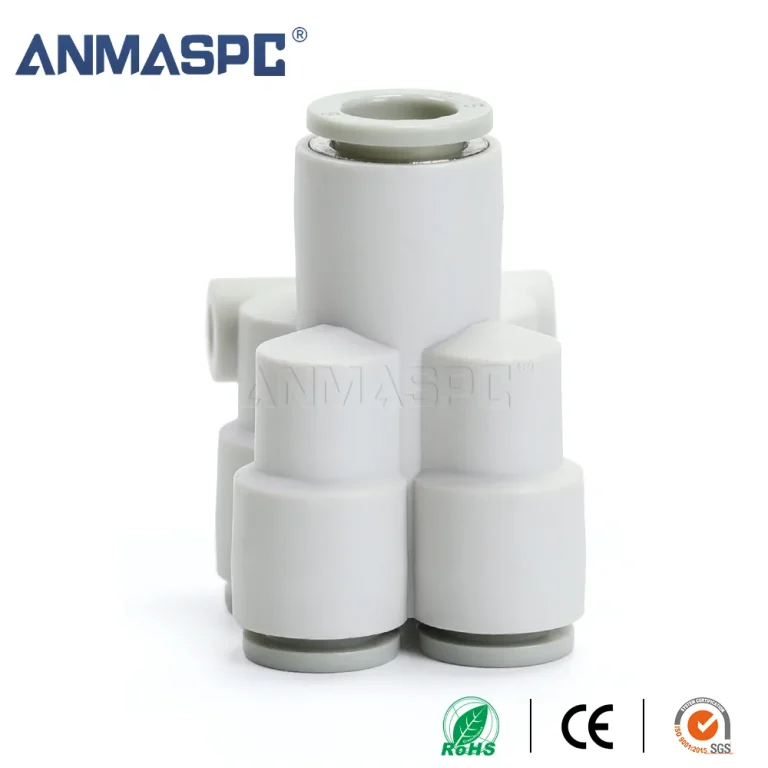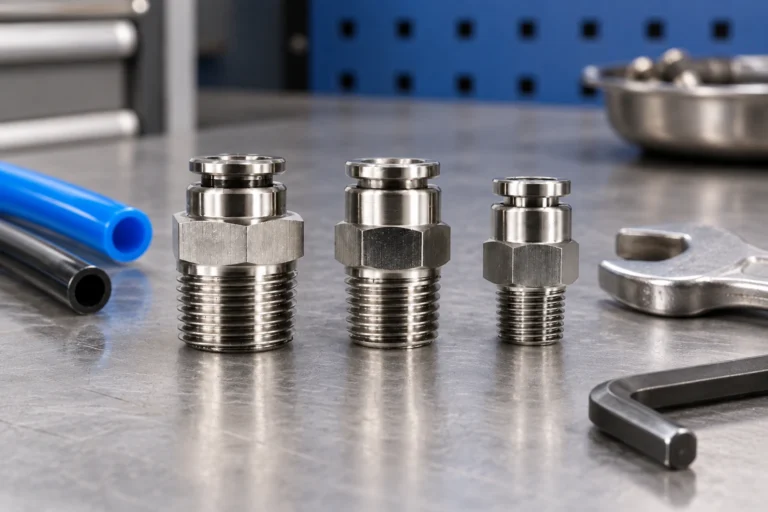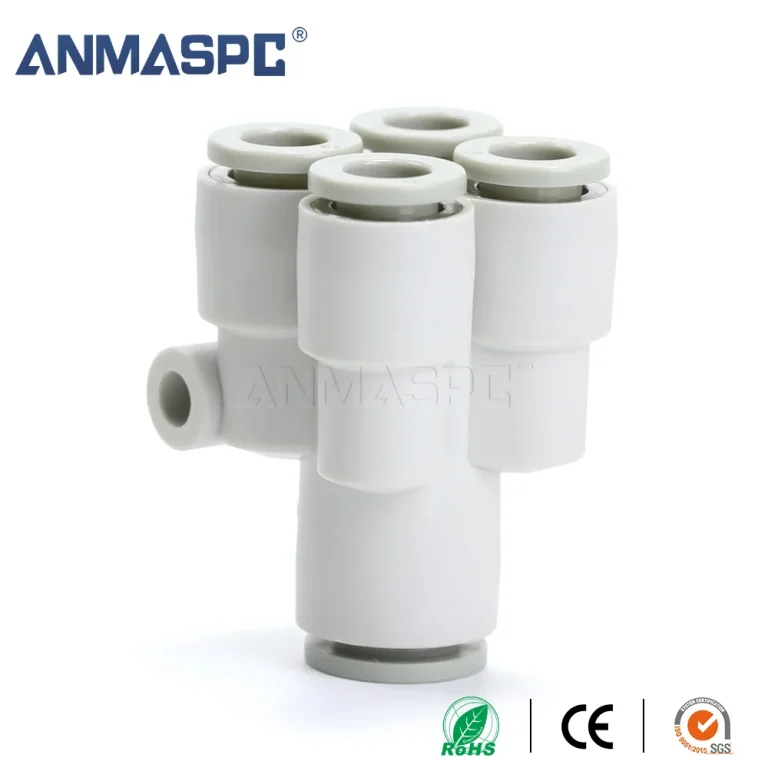
Micropipe Connector is a highly versatile and reliable tool for seamlessly connecting different parts of micropipes. The Micropipe Straight Connector is one of the most popular designs on the market, providing you with an easy-to-use and intuitive connection experience. The connector has a port size of 6mm and is compatible with a wide range of microtubules of similar size.
As a user of Micropipe Connector, understanding the usage environment and precautions of the product is essential to ensure optimal performance and service life. To install the microtube straight connector, first ensure that the microtubes to be connected have the same outer diameter. This is to ensure a snug fit and prevent any leaks or damage during connection.

The round clear body of the Micropipe Connector is designed to help you quickly see what’s going on inside the pipe. This feature is especially useful when troubleshooting or identifying potential problems that may arise in piping systems. By looking inside, you can determine the correct course of action to resolve the problem.
One of the most notable advantages of microtube straight connectors is their ease of use. Plug-and-play coupling requires no special tools or equipment and is straightforward to use. All you need to do is press the two buttons on the connector, which will release the locking mechanism and you can insert the microtube into the connector’s port. Then release the button and the connector locks the microtube securely in place.
While a microtube connector is a simple and reliable tool, you should still take precautions to ensure optimal performance. For example, you should avoid moving or twisting the connector after installation, as this can damage or loosen the fitting. It is also important to avoid using connectors with incompatible materials or chemicals, as this can cause leaks or damage the system.
In conclusion, microtube connectors provide an excellent solution for anyone looking to seamlessly connect different parts of a microtube. Its unique features make it an ideal tool for a wide range of applications, from fluid management systems to pneumatic applications and more. By understanding the environment of use and taking the necessary precautions, you can ensure optimal performance and longevity of your microtube connectors. With its simple plug-and-play fittings, you can rest assured that your microtubules will connect securely without the need for any special tools or equipment.
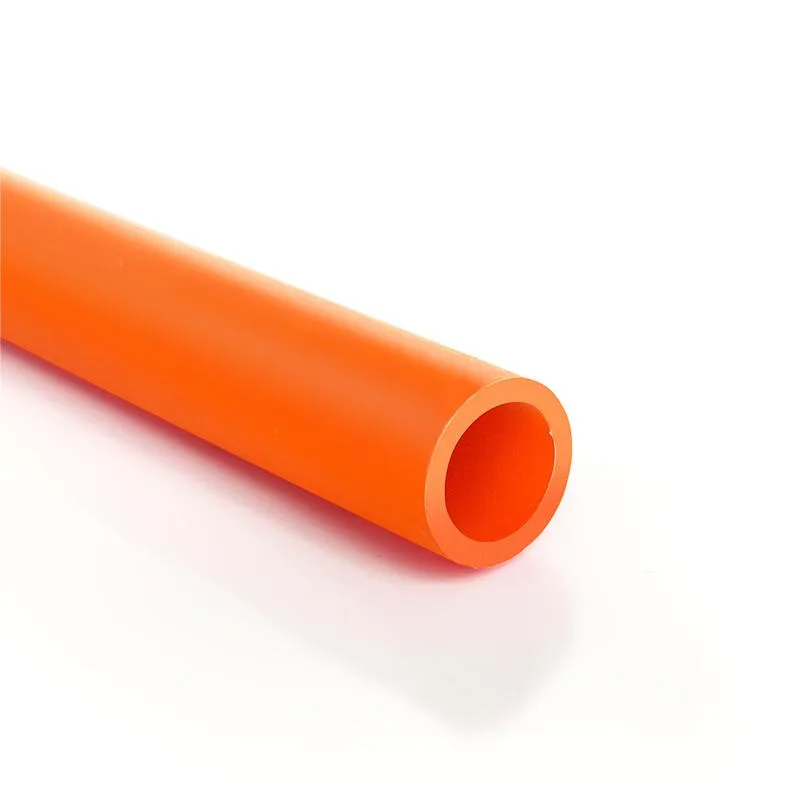
Choosing a microtube connector starts with the job it must perform
Search-intent update: buyers searching for microtube connectors usually need to join equal-size ducts, transition between two approved sizes, close an unused end or seal around an installed cable. Those jobs require different components. A clear body and push-fit action can simplify inspection, but neither proves size compatibility nor creates a gas block unless the selected product was designed for that function.
| Route task | Connector type to investigate | Primary verification |
|---|---|---|
| Join equal-size microducts | Straight microduct connector | Measured duct OD, approved tolerance, insertion depth and seal range |
| Join different approved sizes | Бууруулагч холбогч | Large-end and small-end drawings must match the ducts independently |
| Seal around an installed cable | Gas-block connector | Duct OD, cable OD, seal state and part-specific pressure evidence |
| Close an empty duct | End cap or end stop | Approved duct OD and the intended temporary or permanent closure duty |
A reliable installation sequence prevents the most common leak and release problems
Current search results repeatedly connect failures with wrong sizing, angled cuts and incomplete insertion. Use a controlled sequence: measure the duct outside diameter, cut the tube square, remove chips without scratching the sealing land, mark the required insertion depth, push the duct fully home and install any specified locking clip or cover. Support the duct so the connector is not used as a bend anchor.
After assembly, isolate the section and use the project’s approved leak test. A pressure change can also come from an open end, test hose, temperature shift or adjacent joint, so change one variable at a time. Do not transfer a pressure, temperature or direct-burial claim from a visually similar product. The exact drawing and test record remain controlling.
2026 microtube update: compatibility is a tube-and-fitting decision
Microtube connectors should be ordered with the exact tube OD and material мөн port and seal method. Similar dimensions do not prove that two parts will retain a tube under pressure, vibration or repeated maintenance.
| Талбар | Шалгах |
|---|---|
| Tube | Material, OD, wall, tolerance, cut quality and bend radius. |
| Port | Thread form, pitch, seal, orientation and access. |
| Үйлчилгээ | Medium, pressure, temperature, vibration and chemical exposure. |
Use the site’s pneumatic parts range after the tube and port are identified. For maintenance, record the connector code and replacement seal rather than relying on appearance.
Additional buyer questions
Can a connector be reused after release?
Only when the supplier permits reuse and the tube end, seal and retention parts remain within their stated condition limits.
Why does a tube pull out?
Wrong OD, incomplete insertion, a damaged tube end, worn retention parts or vibration without support are common checks.
What belongs in a small-fitting RFQ?
Tube material and OD, port/thread, medium, pressure, temperature, environment, quantity and required leak test.
Frequently asked questions about microtube connectors
Is a microtube connector the same as a microduct connector?
The terms are often used for similar telecom duct accessories, but the approved tube dimensions and product drawing—not the label—determine compatibility.
Can one straight connector join two different duct sizes?
No. Use a reducer that explicitly identifies the approved size at each end rather than forcing dissimilar ducts into one straight connector.
Why does a push-fit connector leak after installation?
Common checks include duct OD, ovality, cut quality, scratched sealing surfaces, incomplete insertion, damaged seals and an unsealed test endpoint.
What does the transparent body help an installer inspect?
It can help confirm the visible tube position and condition, but it does not replace an insertion-depth check or a documented leak test.
When is an end cap better than a straight connector?
Use an approved end cap when the route needs to close and protect an unused duct end rather than continue the duct.
What information should be included in a microtube-connector RFQ?
Include both duct dimensions and tolerances, connector function, route environment, test requirement, quantity and any locking clip, cover or gas-block requirement.
Conclusion: select the connector by function, fit and test evidence
The best microtube connector is not simply the one that looks compatible. First define whether the route needs a straight joint, size transition, cable-entry seal or closed end; then verify the measured duct dimensions, prepare the tube correctly and confirm the finished section with the project’s approved test. This function-first approach makes purchasing clearer and helps installers diagnose leaks without replacing unrelated components.
Дүрийн баримжаа
The standards source below provides the wider microduct-blowing context. The linked ANMASPC pages are manufacturer references for the functions of the specific connector types discussed above; they are not independent industry standards.
- International Telecommunication Union. ITU-T L.108: Optical fibre cable elements for microduct blowing-installation application. Official ITU publication.
- ANMASPC. Микродукт шулуун холбогч. Manufacturer product reference.
- ANMASPC. Microduct Reducer Connector. Manufacturer product reference.
- ANMASPC. Microduct Gas Block мөн Микродукторын төгсгөл таг. Manufacturer product references.
- ISO 14743:2020 — official push-in connector scope.
- ISO 4414:2010 — official pneumatic system safety reference.
- Parker Technical Tubing and Hose — manufacturer compatibility context.
Summary
A microtube connector performs as a system with its tube, port, seal and service conditions. Measure the tube, follow the insertion and sealing method, support the line and test the joint before operation. When a leak appears, inspect the tube end and retention parts before increasing force. A concise RFQ prevents the common mistake of ordering a visually similar but incompatible fitting.