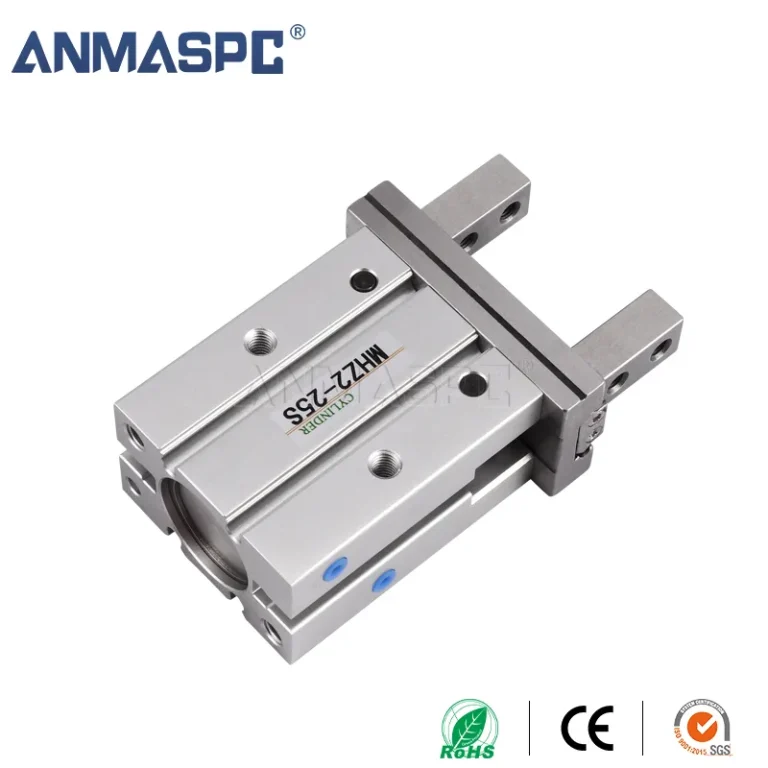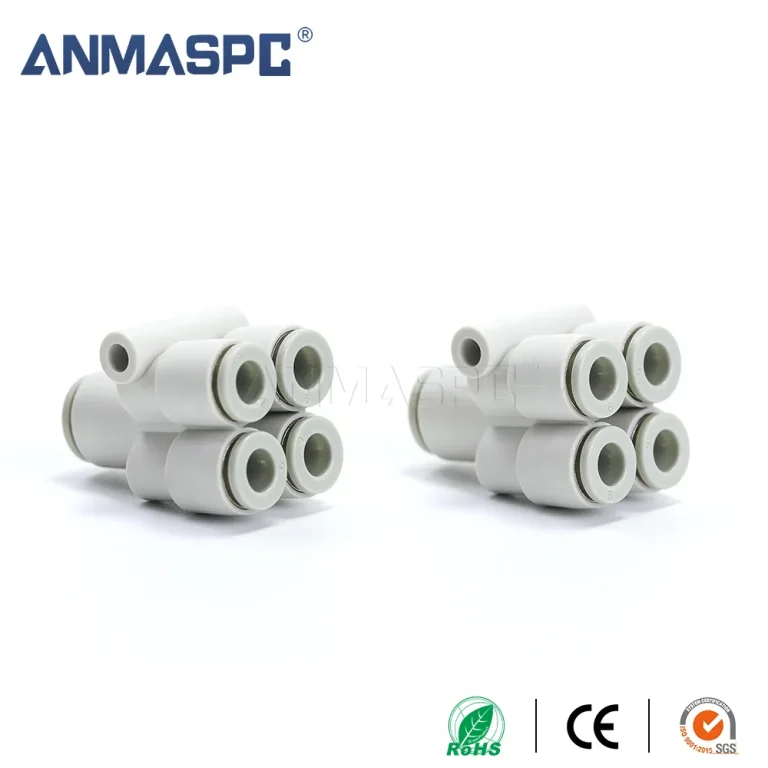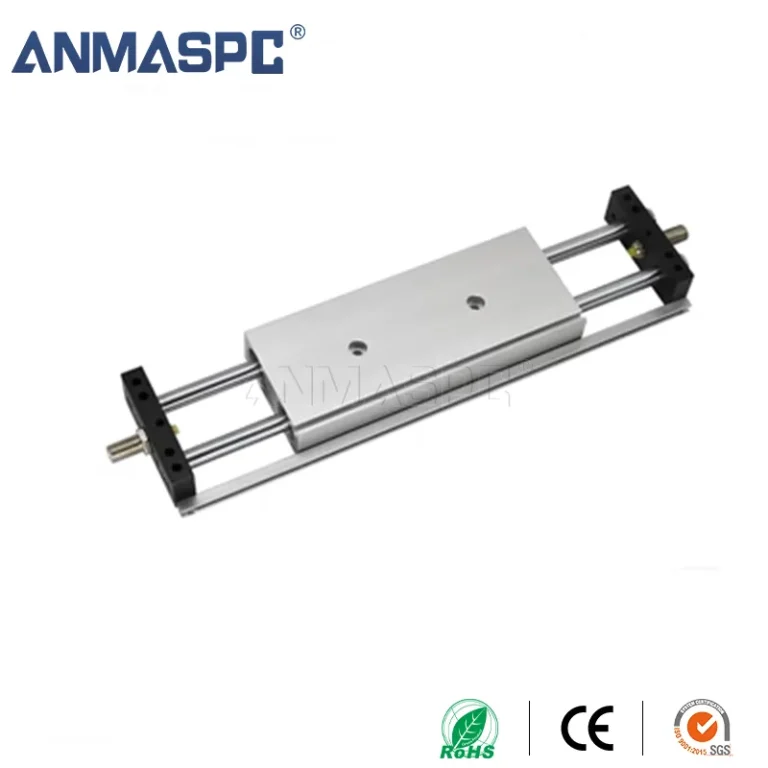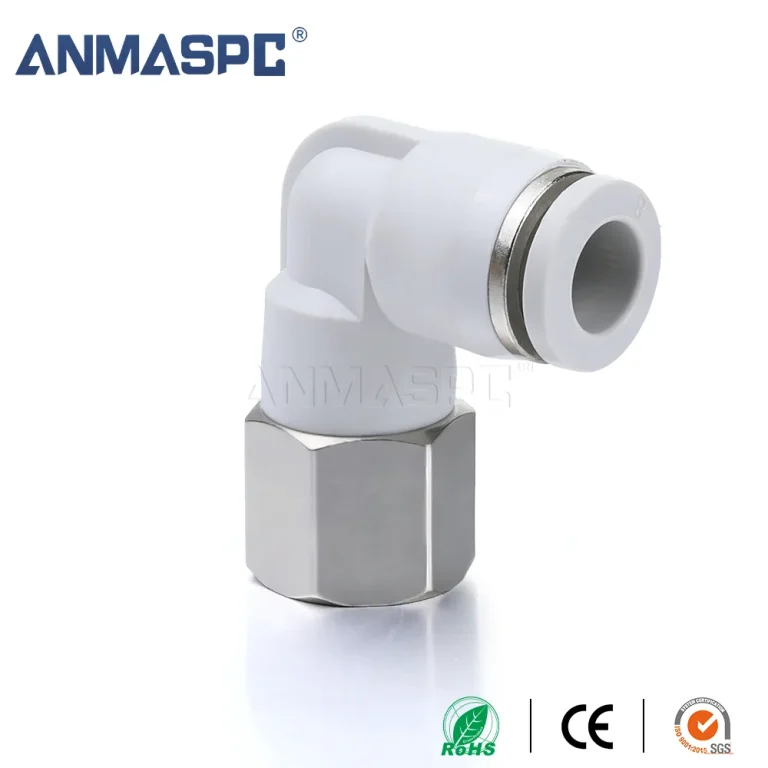
When a procurement engineer in Oulu encountered repeated air loss on an automated assembly cell, she asked the maintenance team to replace the visibly leaking connectors. The hiss returned. The reversal came when the team compared the purchase order with the machine interfaces: the sample approval had not defined tube outside diameter, thread form, or test condition. The issue was specification control, not simply a bad fitting.
요약: Buyers should qualify 공압 피팅 against a defined connection and duty envelope, then request evidence for the exact model and lot. ISO 4414 sets system-level pneumatic safety requirements, while ISO 8573-1 classifies compressed-air contaminants; neither is a blanket certificate for an individual fitting. Before a bulk order, lock down tube OD, thread standard, sealing method, media, pressure, inspection plan, and traceable records. This discipline reduces leaks, rework, and stoppages more reliably than choosing by appearance or lowest unit price.
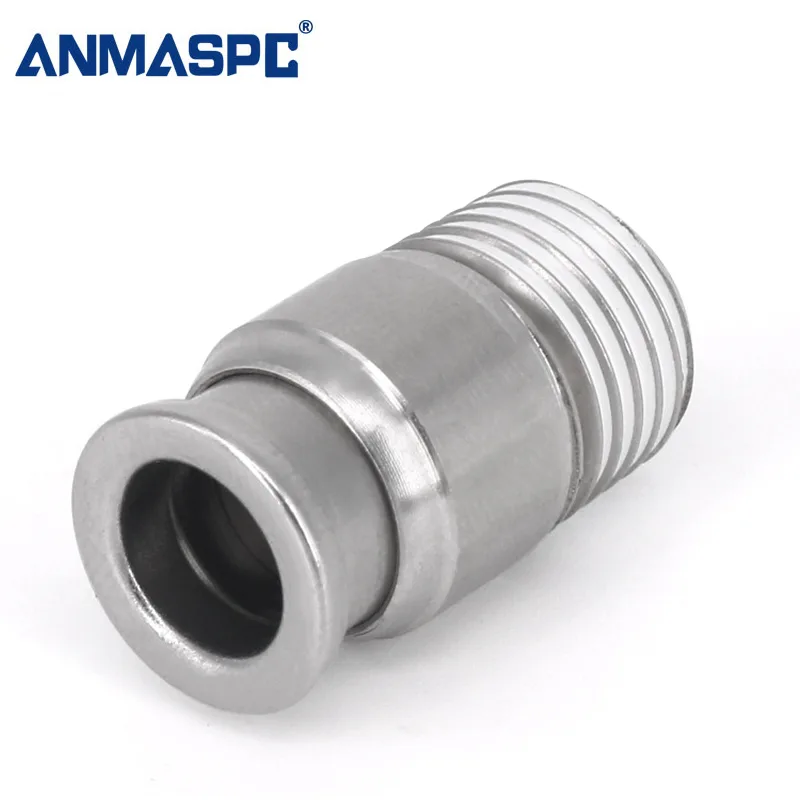
Start with the assembly, not the fitting photograph
A pneumatic fitting is only one element of a pressure boundary. Its suitability depends on the connected tube or hose, threaded port, seal, compressed-air quality, vibration, temperature, and installation method. A push-in connector may seal on a tube’s outside diameter, for example, while a threaded connection seals at a taper, washer, O-ring, or bonded seal. A part that looks interchangeable can therefore assemble mechanically yet leak or crack in service.
Turn the application into a controlled drawing or data sheet before requesting quotations. State working pressure, temperature, medium, material constraints, tube OD, and port gender. Identify thread systems by the relevant standard—such as ISO 7-1 for pressure-tight joints on threads or ISO 228-1 where sealing is not made on the threads—rather than by an ambiguous label such as “1/4 inch.” For NPT ports, specify the designation and confirm it with gauges or the equipment drawing.
| Buying approach | What is controlled | Likely outcome | Commercial implication |
|---|---|---|---|
| Part selected by image or nominal size | Little beyond shape and stated size | Interface mismatch may appear during installation | Lower initial effort; higher risk of sorting, rework, and downtime |
| Sample approved without a written test basis | A single sample and informal observation | Batch variation or a changed interface may go unnoticed | Useful for screening, but weak as a release criterion |
| Specification-led qualification | Interfaces, duty, documents, test method, and acceptance limits | Clearer comparison across suppliers and lots | More preparation; better total-cost visibility |
Ask for evidence that can be tied to the exact supply
Useful quality documentation is specific, dated, and reconcilable to the order. Request the model drawing or specification, material and seal declaration where relevant, rated limits, assembly instructions, inspection plan, and a production-lot identifier. A certificate of conformance should identify the part, revision, order, quantity, lot, requirements, and issuer; a generic “quality certificate” cannot prove those details.
For critical applications, agree sampling and release points in advance. Incoming checks commonly include visual condition, thread and hex dimensions, tube-port size, marking, and quantity. Dimensional measurement with calibrated callipers, plug/ring gauges, or thread gauges should link to drawing tolerances.
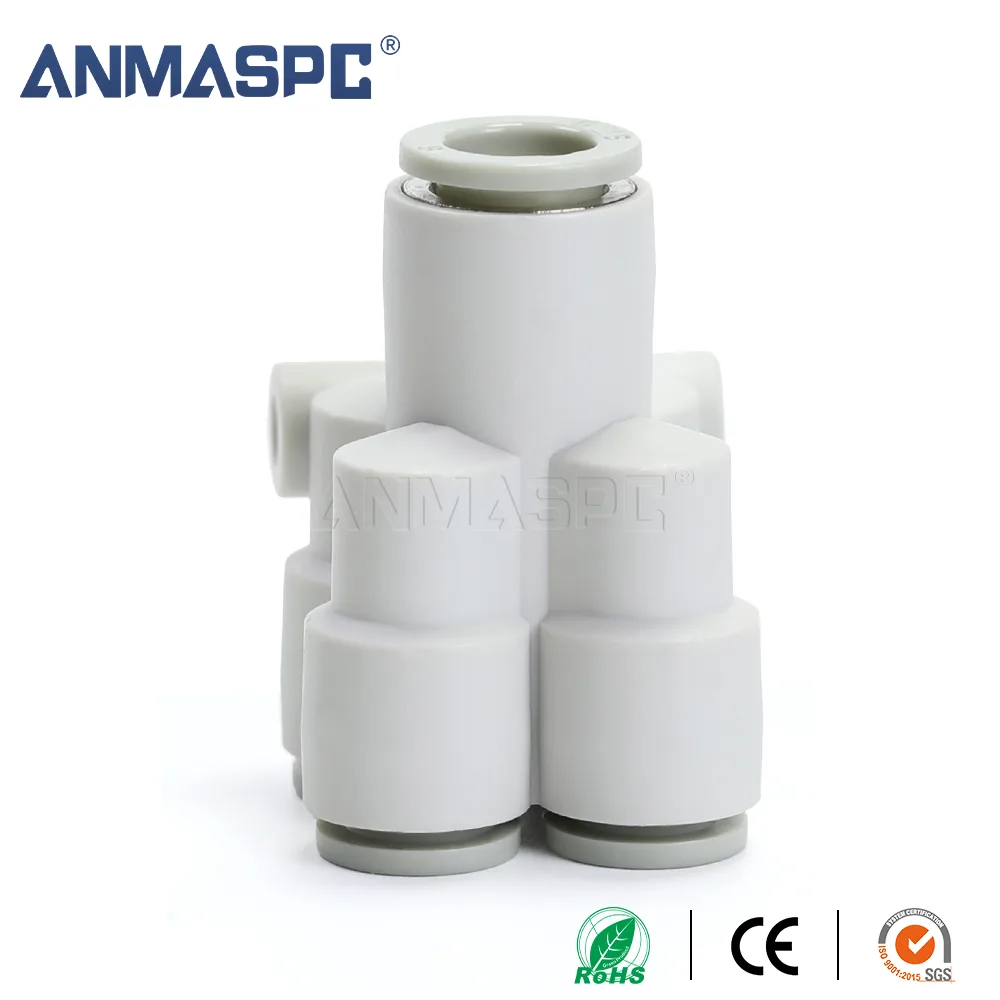
Pressure integrity should be checked using a defined procedure: pressure hold, pressure decay, a bubble-emission method such as ASTM E515 where appropriate, or a functional leak test at specified service conditions. State the test medium, pressure, duration, acceptance criterion, sample size, and whether the intended tube and port are represented. A “100% tested” claim is meaningful only when those parameters and records are available.
| Release checkpoint | Evidence to review | Question for the supplier |
|---|---|---|
| Part identity | Drawing revision, part number, order and lot reference | Can this record be traced to the cartons being shipped? |
| Dimensions and threads | Inspection record and stated gauges or methods | Which dimensions are measured, and what are the acceptance limits? |
| Pressure integrity | Test procedure, results, sample basis, and exceptions | Was the specified tube/port combination represented in the test? |
| Materials and cleanliness | Declared materials and handling/packing requirements | Are seals and bodies compatible with the medium and environment? |
Use standards accurately in the technical file
ISO 4414 addresses general rules and safety requirements for pneumatic fluid-power systems and their components. It supports risk-based design around stored energy and isolation; it does not certify every fitting. ISO 8573-1 supplies purity classes for particles, water, and oil in 압축 공기. It communicates air-quality needs when contamination affects seals or processes, but is not a fitting-performance rating.
Thread standards define geometry and intended sealing concepts, not fitness for a complete assembly. ASTM E515 is a leak-detection practice, not a fitting certification. Claims about compliance, pressure, potable water, or hazardous areas need current product-specific support. Destination-market rules and the machine safety assessment may add requirements.
Build a practical bulk-order qualification plan
- Create an interface matrix covering tube OD, thread form, seal arrangement, and adapters.
- Approve an identified sample against the drawing and a written leak-test method.
- Put the documentation pack, inspection level, traceability, and nonconformance process on the purchase order.
- Before shipment, compare release records with the order and conduct the agreed inspection.
This approach also makes supplier comparisons fairer. Unit price excludes commissioning, leak troubleshooting, replacement freight, and interruption costs. For buyers sourcing pneumatic fittings, a complete technical file is often more valuable than a cheaper connector with undefined interfaces. Oulu can support a specification-led discussion of its pneumatic parts range; confirm model-specific limits and documentation before approval.
자주 묻는 질문
What standards apply to pneumatic fittings?
No universal single standard qualifies every pneumatic fitting for every duty. ISO 4414 addresses system safety, ISO 8573-1 addresses compressed-air purity, and thread standards such as ISO 7-1 or ISO 228-1 may define interfaces. Requirements depend on fitting design, destination, medium, and machine risk assessment.
What quality documents should pneumatic fitting manufacturers provide?
Ask for the current drawing or specification, operating limits, relevant material and seal information, assembly guidance, and lot-linked inspection records. For critical orders, define the test procedure and report fields in the purchase documents. Every record should identify the exact part revision and shipment lot.
How are pneumatic fittings pressure tested?
Methods can include pressure hold, pressure decay, bubble-emission, or a functional leak test. Controls include test medium, pressure, duration, sample size, acceptance limit, and traceability. Testing without the intended tube and threaded port may not prove the complete connection.
How can a buyer verify thread and tube compatibility?
Use the equipment drawing and manufacturer data, then verify tube outside diameter and thread form with appropriate measuring tools or gauges. Do not treat NPT, BSPT, BSPP, metric, inch, or near-size tube designations as interchangeable. Confirm where the joint seals and whether the specified sealant, washer, or O-ring is part of the approved assembly.
What inspection points matter before bulk shipment?
Check part identity, revision, lot traceability, dimensions, threads, condition, required material/seal declarations, test records, quantity, labeling, and packing. Compare release paperwork with the approved sample and purchase-order criteria. Agree checkpoints and the response to failures before production.
Is ISO 9001 proof that every pneumatic fitting is suitable for my application?
No. ISO 9001 concerns a quality-management system; it does not establish that a fitting matches a particular tube, thread, medium, pressure, temperature, or regulatory use. Treat it as one supplier-assessment input and still qualify the exact model and assembly with product-specific evidence.
참고문헌
- ISO 4414 — Pneumatic fluid power: general rules and safety requirements
- ISO 8573-1 — Compressed air: contaminants and purity classes
- ISO 7-1 — Pipe threads where pressure-tight joints are made on the threads
- ISO 228-1 — Pipe threads where pressure-tight joints are not made on the threads
- ASTM E515 — Standard Practice for Leaks Using Bubble Emission Techniques
A dependable air connection is a controlled interface backed by evidence, not a promise on a quotation. When your team is ready to compare dimensions, duty, and required records, explore Oulu’s 원터치 fitting selection guidance and contact the team with the application details.