
នៅពេលដែលវិស្វករបញ្ជាប្រតិបត្តិការតំឡើងឧបករណ៍បញ្ជាដោយខ្យល់បង្ហូរទំហំតូចមួយ គ្រាប់បាល់អាចមើលទៅមានទំហំត្រឹមត្រូវ ប៉ុន្តែនៅតែបង្កើតចលនាខុស ដោយសាររន្ធទាំងបីរបស់វាត្រូវបានអានតាមលំដាប់ខុស។ ផ្នែកភ្ជាប់ដែលអាចមើលឃើញអាចបង្ហាញពីការតភ្ជាប់ផ្គត់ផ្គង់ និងការតភ្ជាប់ប្រតិបត្តិការ ខណៈពេលដែល ផ្លូវបញ្ចេញ ហើយស្ថានភាពដែលមិនមានថាមពលអគ្គិសនីនៅតែមិនត្រូវបានចុះឯកសារ។ នោះហើយជាមូលហេតុដែលស្ថានភាពពីរ វ៉ាល់ប្រើខ្យល់បីទិស គួរតែជ្រើសរើសពីរូបភាពបង្ហាញគំនិត វិធីសាស្ត្រកម្មវិធី និងតាមលំដាប់តំណភ្ជាប់ច្បាស់លាស់ ជាជាងផ្អែកលើរូបរាងខ្លួនតែមួយមុខ។ សៀវភៅណែនាំនេះពន្យល់អំពីទីតាំងបិទ-បើកពីរ និងទំនាក់ទំនងរវាងបំពង់ទាំងបី, បិទជាធម្មតា និងឥរិយាបថបើកជាធម្មតា ព្រមទាំងការត្រួតពិនិត្យដែលរារាំងការសន្មត់ដែលមិនបានផ្ទៀងផ្ទាត់មិនឱ្យក្លាយជាកំហុសនៃការដាក់ឱ្យដំណើរការ។.
វ៉ាល់ពីរទីតាំង បីផ្លូវ មានស្ថានភាពដែលអាចជ្រើសរើសបានចំនួនពីរ គឺស្ពូល ឬប៉ុបភិត និងមានបំពង់ខ្យល់ចំនួនបី ដែលជាទូទៅមានការផ្គត់ផ្គង់ (1), ការងារ (2) និងការបញ្ចេញឧស្ម័ន (3), ទោះបីជាត្រូវបញ្ជាក់លេខនៅលើគំរូពិតប្រាកដក៏ដោយ។ នៅក្នុងស្ថានភាពមួយ ការផ្គត់ផ្គង់ត្រូវបានតភ្ជាប់ទៅនឹងបំពង់ការងារ; នៅក្នុងស្ថានភាពមួយទៀត បំពង់ការងារត្រូវបានតភ្ជាប់ទៅនឹងការបញ្ចេញឧស្ម័ន ឬបំពង់ដែលបានកំណត់មួយផ្សេងទៀត។ ថាតើវ៉ាល់នោះជាប់ជាធម្មតា ឬបើកជាធម្មតា កំណត់ស្ថានភាពស្នាក់នៅ ហើយសៀគ្វីអគ្គិសនីគ្រាន់តែជាឧបករណ៍បញ្ជាដែលអាចធ្វើទៅបានមួយប៉ុណ្ណោះ។ សូមផ្ទៀងផ្ទាត់និមិត្តសញ្ញា លេខបំពង់ សារធាតុ ជួរសម្ពាធ និងវិធីសាស្ត្រស្តារឡើងវិញនៅក្នុងឯកសាររបស់ក្រុមហ៊ុនផលិតបច្ចុប្បន្ន មុនពេលដំឡើង។.
កំណត់អត្តសញ្ញាណនៃស្ថានភាពលំហូរពីរ និងច្រកបី
“ពីរទីតាំង” ពណ៌នាអំពីចំនួននៃការរៀបចំលំហូរដែលមានស្ថេរភាព ឬដែលបានបញ្ជា មិនមែនចំនួនគ្រឿងផ្សំជាក់ស្តែងឡើយ។ វ៉ាល់ដែលមានស្ថេរភាពតែមួយ ជាធម្មតាមានទីតាំងមួយដែលត្រូវបានបញ្ជូន និងទីតាំងមួយទៀតដែលត្រឡប់មកវិញដោយស្រោមអាកាស; វ៉ាល់ដែលមានស្ថេរភាពពីរអាចរក្សាទុកទីតាំងណាមួយបន្ទាប់ពីមានសញ្ញាផ្ទុះ អាស្រ័យលើការរចនារបស់វា។ “បីផ្លូវ” ពណ៌នាអំពីការតភ្ជាប់លំហូរចំនួនបី។ នៅក្នុងប្រព័ន្ធឈ្មោះប៉ាក់ស៊ីម៉ាទិកដ៏ទូលំទូលាយ ផ្លូវ 1 គឺជាប្រភពផ្គត់ផ្គង់, ផ្លូវ 2 គឺជាផ្លូវបញ្ជូន ឬផ្លូវធ្វើការ, និងផ្លូវ 3 គឺជាការបង្ហូរ, ប៉ុន្តែរូបគំនូរដែលភ្ជាប់មកជាមួយផ្នែកនោះគ្រប់គ្រងការបកស្រាយ។.
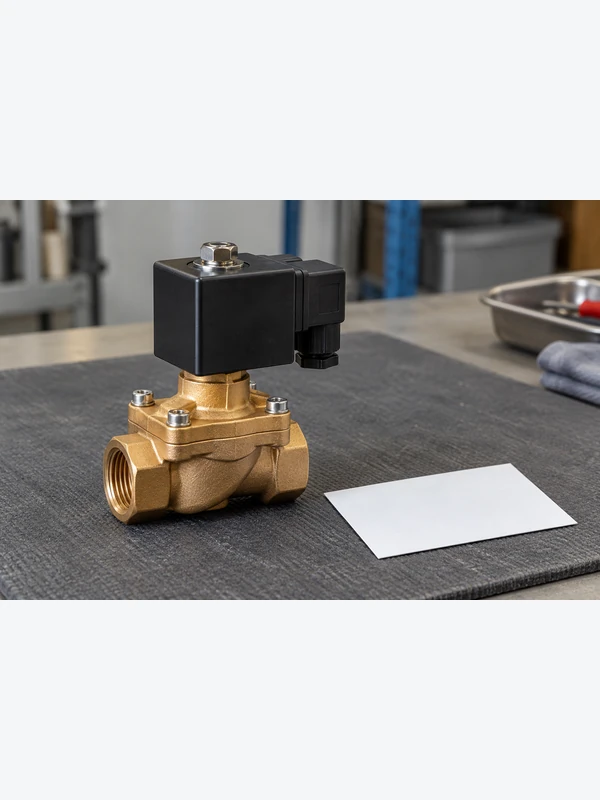
នៅក្នុងស្ថានភាពសម្ពាធកំណត់ ផ្លូវផ្គត់ផ្គង់អាចបញ្ជូនទៅកាន់រន្ធការងារ ខណៈដែលរន្ធបញ្ចោញត្រូវបានបិទ។ នៅក្នុងស្ថានភាពត្រឡប់មកវិញ ផ្លូវផ្គត់ផ្គង់អាចត្រូវបានបិទ ហើយរន្ធការងារអាចបើកចេញតាមរយៈរន្ធបញ្ចោញ។ សៀគ្វីមួយចំនួនប្រើរន្ធទីបីសម្រាប់ជាផ្នែកបញ្ចូលទីពីរ ឬសម្រាប់ការរៀបចំមធ្យោបាយផ្សេងទៀត។ ជម្រើសទាំងនោះគឺជាទម្រង់នៃការរចនាដែលអាចធ្វើទៅបាន មិនមែនជាការសន្មត់អំពីឧបករណ៍ភ្ជាប់ S-VHK2 ជាក់លាក់ណាមួយឡើយ។.
តាមដានការតភ្ជាប់រន្ធផ្សាយលើសញ្ញាណវ៉ាល់ 3/2
សញ្ញាសំគាល់តាមរូបភាពនៃវ៉ាល់ 3/2 ជាធម្មតាត្រូវបានគូរជាប្រអប់ពីរដែលនៅជាប់គ្នា ដោយមួយប្រអប់សម្រាប់កន្លែងនីមួយៗ ហើយមានព្រួញ ឬសញ្ញាបិទបាំងបង្ហាញពីការតភ្ជាប់នៅក្នុងកន្លែងនោះ។ រាប់ប្រអប់ដើម្បីបញ្ជាក់ថាមានពីរកន្លែង បន្ទាប់មកតាមដានខ្សែពីចំណុចដែលមានលេខ។ សញ្ញាសំគាល់នេះប្រាប់អ្នកអានថាផ្លូវណាដែលបើក ប៉ុន្តែវាមិនបានកំណត់ដោយខ្លួនឯងនូវកម្រិតសម្ពាធរបស់វ៉ាល់ សម្ភារៈស្នឹម កម្លាំងបញ្ជារ ឬលក្ខណៈវិនិច្ឆ័យអគ្គិសនីឡើយ។.
សម្រាប់សៀគ្វីធម្មតាដែលមានរន្ធ 1 ជាប្រភពថាមពល, រន្ធ 2 ជាការងារ និងរន្ធ 3 ជាអណ្តាតភ្លើង, តាមលក្ខខណ្ឌ តារាងតំណាងអាចត្រូវបានពិពណ៌នាដូចខាងក្រោម:
- ប្រសិនបើវ៉ាល់ត្រូវបានបិទជាធម្មតា ស្ថានភាពដែលមិនបានផ្គត់ផ្គង់ថាមពល ឬស្ថានភាពសម្រាកជាធម្មតាបញ្ឈប់ការផ្គត់ផ្គង់ទៅកាន់ចំណុចធ្វើការ; ការផ្គត់ផ្គង់ថាមពល ឬការធ្វើឱ្យវាដំណើរការអាចតភ្ជាប់ 1 ទៅ 2 ដោយអាស្រ័យលើនិមិត្តសញ្ញា និងការរចនាការត្រឡប់មកវិញ។.
- ប្រសិនបើវ៉ាល់ស្ថិតក្នុងស្ថានភាពបើកជាធម្មតា ស្ថានភាពស្ងៀមជាទូទៅអនុញ្ញាតឱ្យមានផ្លូវផ្គត់ផ្គង់ដល់ការងារដែលបានកំណត់; ការធ្វើសកម្មភាពអាចរំកិលវ៉ាល់ទៅស្ថានភាពបិទ ឬបង្ហូរចេញ។.
- ប្រសិនបើសញ្ញាប្រើការបែងចែកផ្លូវខុសពីមុន ឬប្រសិនបើផ្លូវទី3ជាផ្លូវចូលទីពីរ នោះការពណ៌នាអំពីលំហូរនឹងផ្លាស់ប្តូរតាមនោះដែរ។.
“ដូច្នេះ ”Energized” មិនអាចត្រូវបានបកប្រែទៅជាលទ្ធផលហូរតែមួយជាសកលបានឡើយ។ សៀគ្វី ឧបករណ៍បញ្ជាបឋម ដៃគ្រវាត់ ឬអានុភាពខ្យល់ ត្រូវតែផ្គូរផ្គងជាមួយនឹងនិមិត្តសញ្ញា និងបទដ្ឋាននៃការដំឡើងឡើងវិញជាក់លាក់។ រូបថតផលិតផលមិនអាចជំនួសព័ត៌មានទាំងនោះបានឡើយ។.
កំណត់ស្ថានភាពស្តុបនៅពេលមិនដំណើរការជាបិទឬបើកជាធម្មតា
ស្ថានភាពបិទជាប្រក្រតី (NC) និងស្ថានភាពបើកជាប្រក្រតី (NO) ពិពណ៌នាអំពីស្ថានភាពស្ងប់របស់វ៉ាល់ នៅពេលដែលមិនមានសញ្ញាដំណើរការ។ នៅក្នុងរចនាសម្ព័ន្ធប៉ុងស៊ូឡឺនយ៉ូអ៊ីដដែលមានស្រោមប៉ុង, សញ្ញានោះអាចជាសញ្ញាអគ្គិសនី; ចំណែកនៅក្នុងវ៉ាល់ដែលដំណើរការដោយដៃ ឬដោយខ្យល់, វាអាចជាសកម្មភាពដោយដៃ ឬ សម្ពាធបើកបរ. ពាក្យទាំងនេះមិនបានពណ៌នាថាតើវ៉ាល់មានទំហំធំ ដំណើរការលឿន ឬសមស្របសម្រាប់ស៊ីឡាំងជាក់លាក់ណាមួយឡើយ។.
| ស្ថានភាព ឬ សំណួរ | ការបកប្រែ NC ធម្មតា | ការបកប្រែ NO ធម្មតា | អ្វីដែលត្រូវបញ្ជាក់ |
|---|---|---|---|
| សម្រាក, គ្មានការដំណើរការ | 1-to-2 ផ្លូវត្រូវបានរារាំង ឬបិទជាដើម | ផ្លូវ 1-to-2 មានស្រាប់, ឬផ្លូវធម្មតាដែលបានចុះបញ្ជី | សញ្ញាសម្រាក ទីតាំងរបស់ស្ព្រីង និងការដាក់លេខលើផោត |
| ដែលត្រូវបានបញ្ជាឱ្យដំណើរការ | 1-to-2 ផ្លូវអាចបើក | ផ្លូវ 1-to-2 អាចនឹងបិទ ឬផ្លាស់ប្តូរទៅជាបំពង់ស៊ីភ្លើង | ប្រភេទអាក់យូយ៉ាទ័រ តម្រូវការនៃឧបករណ៍បញ្ជា និងព្រួញសញ្ញា |
| ការដោះលែងពីកំពង់ផែការងារ | 2-to-3 អាចនឹងបញ្ចេញឧស្ម័ន ប្រសិនបើត្រូវបានបង្ហាញ | 2-to-3 អាចបញ្ចេញនៅក្នុងស្ថានភាពជំនួស | ផ្លូវបញ្ចេញឧស្ម័ន, ឧបករណ៍បន្ថយសម្លេង និងការរៀបចំបង្ហូរឧស្ម័នដោយសុវត្ថិភាព |
តារាងនេះគឺជាឧបករណ៍ជំនួយក្នុងការវិភាគ មិនមែនជាសន្ទស្សន៍ទិន្នន័យឡើយ។ អ្នកទិញគួរតែស្នើសុំសញ្ញាវិលសៀគ្វីដែលអាចអានបាន និងផែនទីច្រកសម្រាប់ម៉ូដែលជាក់លាក់។ ឯកសារពីក្រុមហ៊ុនផលិតដូចជា SMC ឬ ASCO អាចជួយពន្យល់ពីគ្រួសារផលិតផល ប៉ុន្តែគំនូរជាក់លាក់របស់ផ្នែកនៅតែជាភស្តុតាងគ្រប់គ្រង។.
សរសេរចុះទាំងផ្លូវផ្គត់ផ្គង់ និងផ្លូវបញ្ចេញ
សម្រាប់វ៉ាល់បញ្ជូនខ្យល់ 3/2 ដែលត្រឡប់មកវិញជាធម្មតាដោយរ៉ឺស័រ និងបិទជាធម្មតា ស្ថានភាពសម្រាកតភ្ជាប់ផ្លូវធ្វើការ A/2 ទៅនឹងផ្សែងចេញ R/3 ហើយបិទការផ្គត់ផ្គង់ P/1។ ការបញ្ជាដំណើរការតភ្ជាប់ P/1 ទៅនឹង A/2 ហើយបិទ R/3។ កំណែដែលបើកជាធម្មតាបញ្ច្រាសទំនាក់ទំនងការផ្គត់ផ្គង់-ទៅ-ការងារដែលបានកំណត់។. ការណែនាំវ៉ែនតាបន្ទុកខ្យល់ 3/2-way របស់ Tameson បង្ហាញពីការរៀបចំទាំងនេះ។ ត្រូវធ្វើការផ្ទៀងផ្ទាត់ការពន្យល់ជាមួយនឹងសញ្ញានៃម៉ូដែលដែលបានជ្រើសរើសជានិច្ច ព្រោះមានមុខងារសៀគ្វី និងការកំណត់អោយភ្ជាប់ប៉ូរតផ្សេងៗគ្នាដែលអាចមាន។.
ការសរសេរត្រឹមតែថា "ផ្គត់ផ្គង់ត្រូវបានរារាំង" គឺមិនគ្រប់គ្រាន់ទេ ប្រសិនបើអាគុយម៉ង់ដែលភ្ជាប់មកជាមួយក៏ត្រូវបញ្ចេញខ្យល់ផងដែរ។ តាមដានផ្លូវចេញពីការងារទៅកាន់បំពង់បង្ហូរ ហើយកំណត់អត្តសញ្ញាណនូវឧបករណ៍បន្សាបសំឡេង បំពង់ ឬការតភ្ជាប់បំពង់បង្ហូររួម។ ការរារាំងនៅក្នុងផ្លូវនោះអាចធ្វើឱ្យឥរិយាបទរបស់អាគុយម៉ង់ប្រែប្រួល ទោះបីជាការតភ្ជាប់ផ្គត់ផ្គង់ត្រឹមត្រូវក៏ដោយ។ សម្ពាធខ្យល់បង្ហូរត្រឡប់ និងលក្ខខណ្ឌប្រតិបត្តិការដែលអនុញ្ញាតរបស់វ៉ាល់ ត្រូវតែពិនិត្យឡើងវិញ ដោយផ្អែកលើកម្មវិធីជាក់ស្តែង ជាជាងសន្មតដោយផ្អែកលើទំហំបំពង់ដែលបានកំណត់។.
វ៉ាល់ប៊ីស្តេបល់ត្រូវការការពិពណ៌នាស្ថានភាពដាច់ដោយឡែក ព្រោះវាអាចរក្សាទីតាំងចុងក្រោយដែលបានជ្រើសរើសបាន បន្ទាប់ពីបញ្ជាត្រូវបានដកចេញ។ កុំកំណត់ឥរិយាបថ spring-return NC ឬ NO ដល់វាដោយគ្មានឯកសារ។ នៅពេលដែលផ្ទុកជាឧបករណ៍បញ្ជូន អ្វីដែល គន្លឹះស៊ីឡាំងខ្យល់ ផ្តល់នូវបរិបទសម្រាប់គ្រឿងបន្លាស់ដែលត្រូវបញ្ជា; វាមិនកំណត់ថាតើអានុភាពបញ្ជានោះនឹងធ្វើអ្វីឡើយ នៅពេលដែលមានការបាត់បង់ថាមពល ឬខ្យល់នៅក្នុងម៉ាស៊ីនជាក់លាក់ណាមួយ។.
បញ្ជាក់មុខងារនៃវ៉ាល់ពីរូបគំនូរប្រភេទរបស់វា
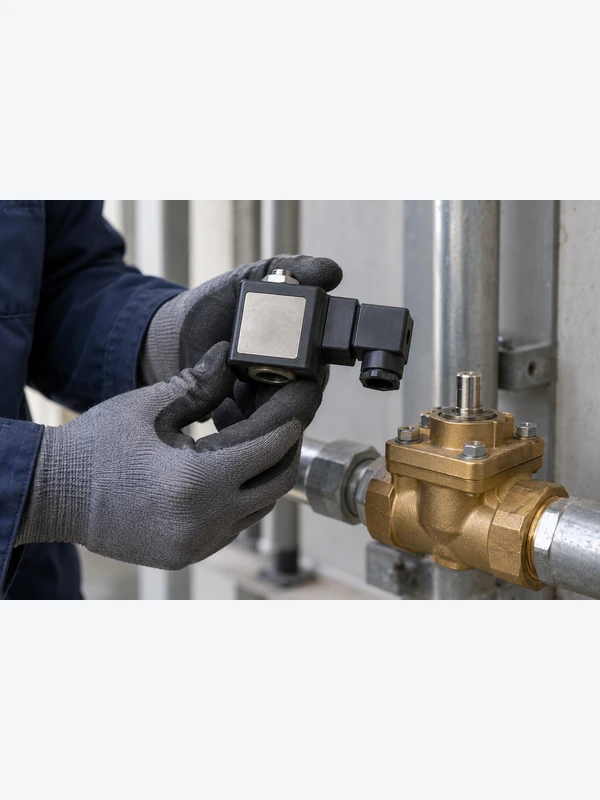
រូបភាព S-VHK2 ដែលផ្តល់ជូនបង្ហាញពីការតភ្ជាប់វ៉ាល់ខ្យល់ខាងក្រៅ និងរចនាសម្ព័ន្ធនៃការតភ្ជាប់ប្ដូរយ៉ាងរហ័ស។ រូបភាពទាំងនេះមានប្រយោជន៍សម្រាប់កំណត់អត្តសញ្ញាណចំណុចប្រសព្វដែលអាចមើលឃើញ និងសម្រាប់ពិភាក្សាអំពីរបៀបដែលការតភ្ជាប់ត្រូវបានបង្ហាញនៅក្នុងកំណត់ត្រាផលិតផល។ ពួកវាមិនបង្ហាញខ្សែរឹតដែលកំពុងដំណើរការ ទីតាំងរបស់ស្រោមក្នុង ស្លាបរបស់វ៉ាល់ខាងក្នុង ឬសញ្ញាគំនូរសៀគ្វីពេញលេញឡើយ។ ដូច្នេះ វាមិនត្រឹមត្រូវទេក្នុងការដាក់ស្លាកថារូបថតនេះជាភស្តុតាងនៃវ៉ាល់សូឡឺនូអ៊ីដ ឬអះអាងថាវាបង្ហាញពីរចនាសម្ព័ន្ធខាងក្នុង 3/2។.
ប្រៀបធៀបការបញ្ជាដោយដៃ ដោយខ្យល់ និងដោយអគ្គិសនី
វ៉ាល់បីផ្លូវអាចត្រូវបានបញ្ជាដោយដៃ ដោយមេកានិច ដោយខ្យល់ ឬដោយអគ្គិសនី។ គោលការណ៍នៃការហូរនៅតែផ្អែកលើការជ្រើសរើសស្ថានភាពតភ្ជាប់ខាងក្នុងមួយក្នុងចំណោមពីរ ប៉ុន្តែហានិភ័យនៃការដាក់ឱ្យដំណើរការមានភាពខុសគ្នា។ ដៃគ្រប់គ្រងដោយដៃត្រូវការការចូលដំណើរការ និងសញ្ញាបង្ហាញច្បាស់សម្រាប់អ្នកប្រើប្រាស់។ ឧបករណ៍បញ្ជាដោយខ្យល់ត្រូវការសញ្ញាបញ្ជាដែលបានកំណត់ និងលក្ខខណ្ឌនៃការត្រឡប់មកវិញ។ ការតំឡើងសូឡឺន៉ូអ៊ីដត្រូវការវ៉ុល ការប្រើប្រាស់របស់សេរ៉ូល ការទប់ស្កាត់ និងសៀគ្វីបញ្ជាដែលស្របតាមឯកសាររបស់វ៉ាល់។.
| ការបញ្ជូន | មានប្រយោជន៍នៅពេល | ភស្តុតាងដែលត្រូវស្នើសុំ | កំហុសទូទៅ |
|---|---|---|---|
| សៀវភៅមគ្គុទ្ទេសក៍ | អ្នកប្រតិបត្តិករអាចចូលទៅដល់ និងពិនិត្យមើលវ៉ាល់បាន។ | ទីតាំងដៃចាប់, វិធីសាស្រ្តបិទកុងតាក់ និងសញ្ញាផលិតផល | Assuming the handle position proves internal flow |
| Pneumatic pilot | A remote air signal is already available | Pilot pressure window, pilot medium and reset behavior | Ignoring pilot pressure loss or exhaust routing |
| Electrical solenoid | Control logic needs remote switching | Coil voltage, duty, connector, manual override and wiring diagram | Calling any photographed fitting a solenoid valve |
Check pilot pressure during startup and pressure loss
Internal pilot operation uses the valve’s supply conditions to generate the switching force. A circuit may have adequate pressure during normal running but not during initial pressurization, a downstream equalization condition or a controlled shutdown. Check the documented pilot requirements in each operating state. A maximum pressure rating says nothing about whether a conventional pilot mechanism can switch at zero differential.
External pilot arrangements use a separately specified control-air connection. They can address some circuit conditions that an internal pilot cannot, but only when the chosen model supports the arrangement and the pilot supply remains within its limits. Direct-acting designs operate differently again. Do not adopt a minimum pressure quoted for a different valve family or assume that every three-port valve supports vacuum or reverse flow.
Review the broader ជួរគ្រឿងបន្លាស់ខ្យល់ alongside the circuit drawing to identify the required interfaces. Keep supply preparation, control air, tubing and valve functions distinct in the bill of materials. If commissioning results differ from the symbol, record supply, pilot signal, commanded state and work-port response before changing the configuration.
For fault finding, isolate and release stored energy under the machine procedure before opening tubing or serviceable parts. Verify that the mechanical load is supported where necessary. Reconnecting ports by trial and error can conceal the original discrepancy and create an unintended motion; resolve the model and circuit mismatch first.
Check Port, Tube, Exhaust, and Isolation Conditions Before Testing
Start with isolation and depressurization under the machine’s approved procedure. Confirm អង្កត់ផ្ចិតខាងក្រៅនៃបំពង់, port thread and seal method independently; a fitting that starts in a port can still have the wrong thread. Route the exhaust so it cannot introduce dirt or create a hazard, and support tubing so bending loads are not transferred to the connector.
Before connecting control power or pilot air, trace the intended sequence on the schematic: which port supplies the actuator, which state should hold it, and where the air should release when the signal is removed? Test each state at controlled pressure and record the observed port behavior. If the result differs from the drawing, stop and resolve the documentation or wiring discrepancy rather than swapping ports by trial and error. For related interface guidance, see the site’s article on pneumatic coupling applications.
Verify both states before commissioning
- Obtain the exact part number, symbol, port map and actuator description.
- Define the normal state required when the signal is absent: closed, open, vented or another documented condition.
- Check medium, pressure, temperature, flow demand, tube size and thread standard against current data.
- Confirm control details such as coil voltage or pilot pressure, reset method, connector and manual override.
- Plan a functional test for both positions and document the observed supply, work and exhaust paths.
For background on electromagnetic actuation, compare this checklist with the site’s explanation of what a solenoid valve does and its overview of ប្រភេទនៃវ៉ាល់សូឡែន៉ូអ៊ីដ. Those articles provide general context; they do not replace the drawing for a specific valve.
សំណួរដែលសួរញឹកញាប់
What is a two-position, three-way pneumatic valve?
It is a directional valve with two selectable flow states and three pneumatic ports. The ports may be assigned as supply, work and exhaust, but the exact assignment must come from the valve symbol or drawing.
How does a 3/2 pneumatic valve work?
One position connects a defined pair of ports and blocks or routes the remaining port; the second position changes that relationship. In a common 1–2–3 arrangement, the work port may switch between supply and exhaust, but alternate port assignments exist.
What is the difference between normally closed and normally open?
Normally closed and normally open describe the documented rest state with no actuation signal. NC commonly blocks the supply-to-work path at rest, while NO commonly leaves that path available; the symbol and manufacturer documentation decide the actual flow.
Does a two-position, three-way valve have to be a solenoid valve?
No. The same two-position, three-port logic can be actuated manually, pneumatically, mechanically or electrically. A solenoid is only one actuation method, so an external fitting photograph cannot prove that a coil is present.
What do ports 1, 2 and 3 mean on a pneumatic valve?
Many schematics use 1 for supply, 2 for work and 3 for exhaust, but numbering conventions and circuit functions can vary. Confirm the legend, body markings and current part drawing before connecting tubing.
What should be checked when the valve switches but the actuator does not move?
Check supply pressure, port assignment, exhaust restriction, tube seating, pilot or coil signal, and the actuator’s mechanical load. Compare the observed connections in each state with the symbol; do not infer an internal blockage from the external appearance alone.
Do all 3/2 solenoid valves need inlet pressure to switch?
No. Direct-acting, internally piloted and externally piloted designs have different requirements. Check the exact model’s supply and pilot-pressure limits, including startup and depressurized conditions. Do not apply one universal minimum differential to every 3/2 valve.
Can a bistable 3/2 valve be treated as normally closed on power loss?
Not without model-specific evidence. A bistable design may retain its last state instead of returning to a spring-defined position. Document both commanded states and the response to loss of electrical power or pilot air as part of the circuit review.
ឯកសារយោង
- SMC directional-control valve catalog (official product categories; use the exact model documentation for ratings and circuit data).
- SMC pilot-operated three-port solenoid valve catalog (a documented electrical-actuation category, not identification of the pictured fitting).
- Emerson ASCO official valve resources (manufacturer reference for valve families and application documentation).
- Tameson: 3/2-Way Pneumatic Valve—Operation and Port Configurations
សេចក្តីសង្ខេប
A two-position, three-way valve is defined by its two flow states and three ports. Confirm the model’s supply, work and exhaust assignments, then identify the rest or retained state and the actuation method. Check pilot conditions during startup and pressure loss as well as normal running. Commission both states against the drawing and record the results; neither an external fitting photograph nor an audible switch confirms the complete pneumatic function.



