
ឧបករណ៍ភ្ជាប់ដែលធ្វើពីដែកអ៊ីណុក ដែលដំណើរការនៅលើខ្សែបញ្ជូនខ្យល់សង្កត់ មិនមែនស្វ័យប្រវត្តិសមស្របសម្រាប់ទឹក ឬសារធាតុគីមីសម្អាតឡើយ។ តួដែកគ្រាន់តែជាផ្នែកមួយនៃការតភ្ជាប់ប៉ុណ្ណោះ។ សារធាតុរាវក៏ត្រូវប៉ះនឹងសម្ភារៈបិទជិត និងបំពង់ផងដែរ ហើយលក្ខខណ្ឌការងារអាចខុសគ្នាច្រើនពីកម្មវិធីប្រើប្រាស់ខ្យល់ដែលបានរចនាឡើងដើម។ ការជ្រើសរើសដែលអាចទុកចិត្តបាន គឺចាប់ផ្តើមពីសារធាតុរាវជាក់ស្តែង និងវដ្តប្រតិបត្តិការ បន្ទាប់មកត្រូវពិនិត្យមើលការផ្គុំទាំងមូល ជាជាងការអនុម័តផលិតផលដោយផ្អែកលើរូបរាងរបស់វា។.
សម្រាប់ គ្រឿងបន្លាស់ដែកអ៊ីណុកសម្រាប់តភ្ជាប់បំពង់, ទទួលបានបញ្ជីសម្ភារៈនៃគំរូដែលបានជ្រើសរើស ការអនុម័តលើប្រព័ន្ធផ្សព្វផ្សាយ និងដែនកំណត់ប្រតិបត្តិការ។ ត្រូវបញ្ចូលបំពង់ និងធាតុបិទជិតគ្រប់យ៉ាងទៅក្នុងការពិនិត្យឡើងវិញ។ ប្រសិនបើអ្នកផ្គត់ផ្គង់បានបញ្ជាក់ត្រឹមតែសេវាកម្មខ្យល់ដែលបានបង្ហូរចូលប៉ុណ្ណោះ សូមទុកសេវាកម្មទឹក និងសេវាកម្មគីមីមិនទាន់អនុម័ត រហូតដល់ពួកគេផ្តល់ភ័ស្តុតាងដែលពាក់ព័ន្ធ។ សៀវភៅណែនាំនេះពន្យល់ពីរបៀបបង្កើតសំណួរនោះ អានព័ត៌មានអំពីភាពឆបគ្នា និងកំណត់ការផ្លាស់ប្តូរដែលត្រូវការការពិនិត្យឡើងវិញជាថ្មី។.
ពិពណ៌នាអំពីសារធាតុរាវ មុននឹងជ្រើសរើសសម្ភារៈបំពាក់
“ពាក្យថា ”ខ្យល់“ ”ទឹក“ និង ”សារធាតុគីមី” គឺជាការពិពណ៌នាដំបូង មិនមែនជាលក្ខណៈបច្ចេកទេសពេញលេញឡើយ។ ចំពោះខ្យល់ ត្រូវកំណត់គុណភាពខ្យល់ដែលត្រូវការ និងការមានវត្តមានរបស់ជាតិរំអិល ឬទឹករំអិល។ ចំពោះទឹក ត្រូវពិពណ៌នាអំពីប្រភព ការកែច្នៃ និងសារធាតុចម្រោះដែលអាចមាន។ ចំពោះសារធាតុលាងសម្អាត ឬដំណោះស្រាយដំណើរការដែលបានផ្សំរួច ត្រូវបញ្ជាក់ពីអត្តសញ្ញាណផលិតផល ទិន្នន័យសុវត្ថិភាព និងជួរនៃការផ្តោត។ ឈ្មោះពាណិជ្ជកម្មតែមួយមុខ អាចលាក់បាំងនូវគ្រឿងផ្សំដែលអាចប្រែប្រួលនៅពេលដែលការផ្សំត្រូវបានកែសម្រួល។.
ចូរកត់ត្រាអំពីសីតុណ្ហភាព និងសម្ពាធធម្មតា ជាមួយនឹងដែនកំណត់អតិបរមាដែលត្រូវបានរំពឹងទុក។ ពន្យល់ថាតើការប៉ះពាល់នោះជាបន្តបន្ទាប់ ឬមានពេលខ្លះ ឬក៏កំណត់ត្រឹមតែការសម្អាតប៉ុណ្ណោះ។ ត្រូវបញ្ចូលផងដែរនូវរយៈពេលដែលម៉ាស៊ីនមិនដំណើរការ ដែលក្នុងអំឡុងពេលនោះ អាចមានសារធាតុរាវជាប់គាំង។ ការវាយតម្លៃសម្ភារៈដែលផ្អែកលើសម្ភារៈដែលត្រជាក់ និងប្រហើរ មិនបានគ្របដណ្ដប់ដោយស្វ័យប្រវត្តិទៅលើដំណាក់កាលសម្អាតដែលក្ដៅជាង ឬសំណល់ដែលមានកម្រិតខ្ពស់ដែលនៅសល់ក្រោយការហួតនោះទេ។.
រក្សាការបែងចែកឱ្យបានច្បាស់រវាងដំណើរការធម្មតា និងស្ថានភាពមិនប្រក្រតី។ ឧបករណ៍ដែលបានស្នើឡើងអាចទទួលយកបានសម្រាប់ភារកិច្ចដែលបានកំណត់ ប៉ុន្តែមិនសមស្របសម្រាប់កំហុសក្នុងការសម្អាតដែលអាចព្យាករណ៍បានទេ។ នេះមិនមែនជាហេតុផលដែលអាចធ្វើឱ្យអះអាងថាឧបករណ៍នោះធន់នឹងការប្រើប្រាស់ខុសគ្រប់បែបយ៉ាងនោះទេ; វាមានន័យថាម្ចាស់ដំណើរការត្រូវសម្រេចថាតើលក្ខខណ្ឌនៃការប៉ះពាល់ណាខ្លះដែលលក្ខណៈបច្ចេកទេសនៃឧបករណ៍ត្រូវគ្របដណ្ដប់។.
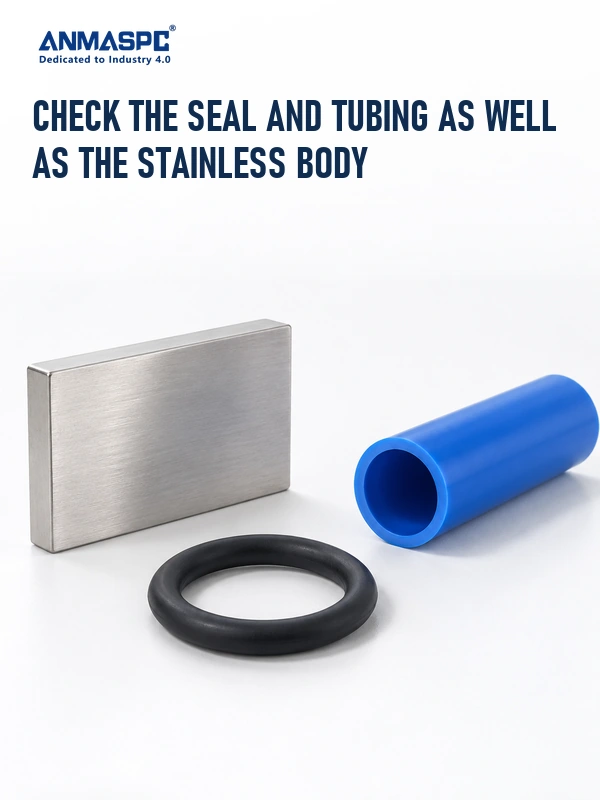
ពិនិត្យមើលសំបកបិទជិត និងបំពង់ ក៏ដូចជាស៊ុមដែកអ៊ីណុកផងដែរ។
ទី ការរួមបញ្ចូលសម្ភារៈពេញលេញ កំណត់ថាតើការតភ្ជាប់អាចត្រូវបានពិចារណាសម្រាប់កម្មវិធីនោះដែរឬទេ។ ទទួលបានថ្នាក់ខ្លឹមសារជាក់ស្តែង និងសមាសធាតុស្អិតសម្រាប់ម៉ូដែលដែលបានដកស្រង់ រួមជាមួយនឹងសម្ភារៈបំពង់ និងតម្រូវការខាងវិមាត្រ។ សួរថាតើសមាសធាតុដែលប៉ះទង្គិចជាមួយសារធាតុផ្សេងទៀតត្រូវការពិនិត្យឡើងវិញដែរឬទេ។ កុំសន្និដ្ឋានអំពីរចនាសម្ព័ន្ធដែលមិនបានបង្ហាញចេញពីរូបថតក្នុងកាតាឡុក ឬជំនួសបញ្ជីសមាសធាតុរបស់ស៊េរីផ្សេងទៀត។.
បញ្ជីផលិតផល KQG2 របស់ SMC ផ្តល់ជាឧទាហរណ៍ដ៏មានប្រយោជន៍នៃភាពខុសគ្នា៖ វាកំណត់អត្តសញ្ញាណសម្ភារៈសម្រាប់ស៊េរីដែលមានឈ្មោះនោះ និងផ្តល់ការណែនាំអំពីភាពធន់នឹងសារធាតុគីមី ដោយបញ្ជាក់ពីលក្ខខណ្ឌ។ ទិន្នន័យទាំងនោះជាកម្មសិទ្ធិរបស់ KQG2។ ពួកវាមិនបានកំណត់សមាសធាតុសំបក ឬភាពសមស្របនៃសារធាតុគីមីនៃឧបករណ៍ Oulu ឡើយ។ វិន័យដូចគ្នានេះត្រូវបានអនុវត្តនៅពេលធ្វើការប្រៀបធៀបអ្នកផ្គត់ផ្គង់ពីរណាមួយដែលមានផលិតផលមើលទៅស្រដៀងគ្នា។.
| ធាតុបញ្ចូលគ្នា | ព័ត៌មានដែលត្រូវទទួលបាន | ហេតុអ្វីបានជាស្លាកសម្គាល់សម្ភារៈតែមួយមិនគ្រប់គ្រាន់ |
|---|---|---|
| តួម៉ាស៊ីនដែក | កម្រិត និងឯកសារពាក់ព័ន្ធនៃវត្ថុធាតុដើម | បរិស្ថានផ្សេងៗគ្នាអាចធ្វើឱ្យប្រភេទដូចគ្នាប្រឈមមុខនឹងបញ្ហាខុសៗគ្នា |
| ធាតុបិទជិត | សមាសធាតុជាក់ស្តែង និងលក្ខខណ្ឌរបស់អង្គធាតុរាវដែលបានអនុម័ត | ភាពធន់នៃលោហៈមិនបានបញ្ជាក់ពីភាពសមស្របនៃអេឡាស្តូម័រទេ។ |
| Tubing | Material, dimensions and service limits | A fitting approval does not approve every tube |
| Thread or face seal | Sealing method and exposed materials | The equipment-side joint can introduce another compatibility question |
| Complete connection | Model-specific operating and installation restrictions | Separate material results are not a complete performance guarantee |
Does changing from air to water require a new assessment?
Yes. Ask the manufacturer to confirm the new medium for the exact fitting and tube. Consider the full operating cycle, including shutdown, drainage and maintenance. A pneumatic rating should not be relabelled as a water rating simply because both systems operate at the same indicated pressure.
Tubing selection illustrates the problem. SMC’s TU documentation distinguishes general TU/TIUB tubing conditions from restrictions applying to its TUH series, including a water-service restriction associated with hydrolysis. The lesson is to identify the actual polymer product and its instructions. It is not evidence that every polyurethane tube is suitable, or unsuitable, for the same water duty.
ពិនិត្យឡើងវិញ differences between PU and PA air hose as part of the tubing enquiry. Then use the selected tube manufacturer’s data to close the material and operating-condition questions. Keep the tube designation in the approved assembly record so maintenance cannot replace it with an unreviewed lookalike.
How should a chemical compatibility chart be read?
First identify what the chart evaluates: a raw material, a seal compound, a component or a complete assembly. Then read the stated temperature, concentration and other conditions. A favorable entry is useful evidence within that scope. It cannot be extended to a different formulation, material grade or exposure condition without support.
A chart also may not address mechanical loading, repeated connection, pressure changes or leakage acceptance. SMC explicitly limits the scope of its KQG2 chemical-resistance information rather than treating it as a guarantee of complete product performance. Retain those limitations when using a chart in an engineering review; copying only the favorable symbol removes essential context.
For a mixture not directly covered, send the supplier its composition information and full duty. Where the material or assembly evidence remains incomplete, the project may need a supplier-agreed evaluation before approval. Define its scope and acceptance criteria in advance. A successful short observation should not be reported as proof of unrestricted lifetime compatibility.
Assess external cleaning separately from the fluid inside
A fitting carrying dry air may still be exposed externally to detergent, splash or retained liquid. Record the cleaner, concentration, temperature, application method, contact period and rinse or drying process. The external environment can reach parts that the operating medium does not, so a fluid approval alone cannot settle the cleaning question.
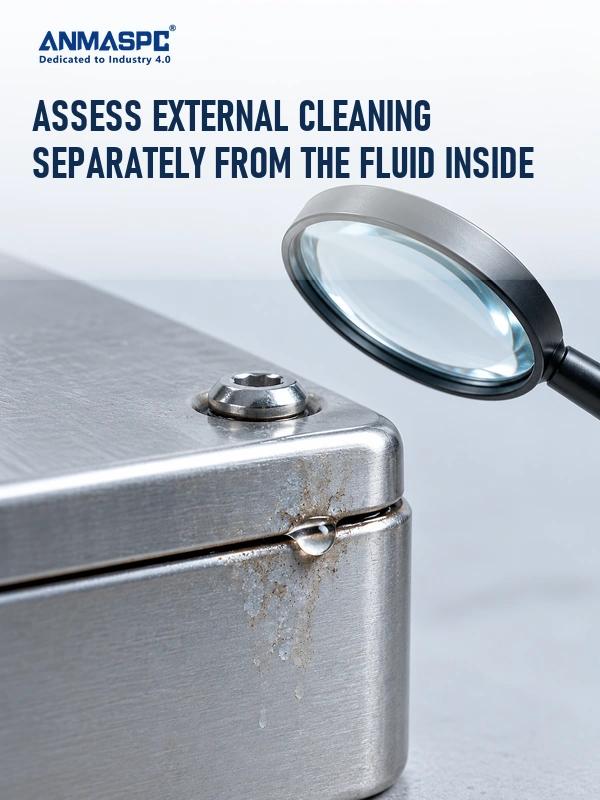
ASSDA’s corrosion guidance explains why concentration, temperature, impurities and local conditions matter to stainless steel. A seam that retains residue may experience a different exposure from the freely draining surrounding surface. Selecting 316 rather than 304 can be relevant to a material review, but neither designation is a universal approval for chloride-bearing cleaners or every chemical mixture.
Do not transfer household stainless-cleaning recipes to assembled pneumatic seals. ASSDA’s cleaning advice concerns surface care; the component maker must still approve the method for the complete connection. If cleaning changes after commissioning, review the fitting, tube and external materials again before the new process is introduced.
Confirm dimensions and installation access after compatibility
Material suitability cannot correct a dimensional mismatch. Specify the tube outside diameter separately from any nominal pipe-thread size. For a threaded variant, identify the exact thread and intended sealing method. Push-in describes the tube-side connection; a single fitting can also have a threaded equipment interface. Use the មគ្គុទ្ទេសក៍ដំណើរការផ្សារភ្ជាប់ខ្សែស្រឡាយ BSP និង NPT to organize those separate checks.
A bulkhead connection adds mounting requirements. Oulu’s stainless straight bulkhead union page requests panel thickness, mounting-hole dimensions and tube sizes on both sides. Obtain the selected drawing and plan access to the mounting hardware and release sleeves. Support the tubing independently so panel mounting is not used to carry avoidable side loads.
Check the installation method against both material and cleanliness requirements. A lubricant or thread-sealing product may affect the fluid review. ASSDA’s galling guidance explains why stainless thread assembly needs controlled contact conditions, but a general fastener recommendation is not authority to introduce an unapproved substance into a fluid connection.
What evidence should be retained before purchase?
Build a short approval record that connects each document to the exact part and duty. Include the drawing revision, material information, tube designation, medium specification, operating range and cleaning process. Identify unresolved items explicitly. A material certificate can support a metal-grade claim; it does not by itself demonstrate leakage performance or approval for a particular fluid.
| Selection stage | Record to retain | Reason to reopen the review |
|---|---|---|
| Fluid definition | Composition, concentration and operating conditions | Different cleaner, formulation or temperature |
| Assembly definition | Model, drawing, seals and approved tubing | Supplier or component substitution |
| ការដំឡើង | Mounting, sealing and support instructions | Layout or assembly-method change |
| ការទទួលយក | Agreed inspection and test conditions | Failure or duty outside the original scope |
| ការថែទាំ | Inspection findings and replacement decisions | Repeated leakage, damage or changed cleaning |
Before ordering, send Oulu the complete application specification rather than requesting a generic chemical-resistant fitting. Ask for the proposed code and supporting documents, then agree how the delivered assembly will be accepted. Keep a sample evaluation distinct from broad certification or a guarantee of service life.
សំណួរដែលសួរញឹកញាប់
Are push-in and threaded stainless fittings interchangeable?
Not solely from their descriptions. One component may contain both interfaces, while another requires different tubing, port geometry or sealing parts. Compare the complete drawing and approved service conditions before authorizing a substitute. Similar metal appearance does not establish dimensional or chemical equivalence.
How do you clean stainless steel push-in fittings?
Follow the approved method for the complete assembly after safe isolation. Check cleaner compatibility with the seals, tubing and external materials. Do not assume that guidance for bare stainless surfaces permits immersion, flushing or aggressive chemicals in an assembled pneumatic fitting.
What surface finish and seal material should buyers specify?
Specify the finish and seal compound required by the actual fluid, cleaning exposure and application, with a way to verify them. Obtain the selected model’s documents rather than assuming a bright finish establishes a particular surface specification or that all stainless fittings use the same elastomer.
When should the fitting be replaced rather than repaired?
Replace a damaged or unsuitable component when it falls outside the maker’s reuse criteria or the approved application. Use only permitted repairs. Recurrent leakage or a changed fluid requires investigation; installing an identical new fitting does not resolve an underlying compatibility problem.
Why choose stainless steel instead of a plated fitting?
Choose it when the full material and environmental review supports that design. Compare the actual stainless and plated alternatives, including their seals and tubing. Stainless construction does not independently establish compatibility, hygiene approval, leak performance or lower lifetime cost for every application.
How do you match tube OD and thread type?
Identify the tube’s outside diameter, material and applicable tolerance, then confirm the equipment-side thread and seal arrangement where present. Treat these as separate dimensions. Request the selected drawing and installation instructions before assembly instead of testing compatibility by forcing parts together.
ឯកសារយោង
- SMC, KQG2 stainless steel one-touch fittings catalogue: series-specific materials, chemical-resistance scope and installation precautions.
- SMC, TU/TIUB polyurethane tubing catalogue: tubing-specific media and operating restrictions.
- ASSDA, បច្ចេកទេសសំណួរញឹកញាប់ 8: ភាពធន់នឹងការច្រេះជាទូទៅ.
- ASSDA, Cleaning your indoor stainless steel: surface-care guidance.
- ASSDA, ការជាប់គាំង និងការគ្រប់គ្រងវា.
សេចក្តីសង្ខេប
Select the fitting for the defined fluid and complete operating cycle, including external cleaning. Identify the body, seals, tubing and equipment-side sealing materials before using a compatibility chart. Keep the chart’s temperature, concentration and scope attached to the decision; a raw-material result is not an assembly guarantee. Confirm dimensions, panel access and installation products separately, then retain the drawing and supporting evidence for the exact variant. Any change in fluid, cleaner, temperature or supplied components should trigger a review of the approved service conditions. A documented specification and clear acceptance criteria give purchasing and maintenance a consistent basis for selecting, installing and replacing the connection.



