
“آیندهی FTTX” اغلب به یک وعدهی بیشتر شدن پهنای باند خلاصه میشود. برنامهریزان شبکه با سوالی کاربردیتر روبرو هستند: کدام قسمتهای مسیر دسترسی باید همین حالا ساخته شوند، چه ظرفیتی میتوان مرحلهبهمرحله افزایش داد، و چه مدارکی میتواند تعمیر و نگهداری شبکه را آسان نگه دارد؟ FTTX شامل FTTH، FTTB، FTTC و FTTN است؛ بنابراین روندی که برای یک ساختمان مسکونی متراکم مفید است، ممکن است برای یک مسیر روستایی مناسب نباشد. این مقاله موضوع گسترده را به چکلیستهای عملی برنامهریزی برای مسیرهای فیبر، لولههای کوچک، اتصالات و راهاندازی تبدیل میکند.
برنامهریزی FTTX به طور فزایندهای به دسترسی فیبری عمیقتر و قابل انطباقتر متکی است که با کارهای عمرانی مرحلهای و ثبتهای مسیر بهبود یافته پشتیبانی میشود. تقاضا برای دسترسی ثابت با ظرفیت بالا در گزارشهای ارتباطات عمومی مستند شدهاست، اما هیچ گزارشی اتصالدهندهای را انتخاب نمیکند یا طراحی پروژهای را اثبات نمیکند. برنامهریزان باید به ترتیب هدف خدماتی، منطقه جغرافیایی، مسیر، ابعاد لولهکشی، روش کابلگذاری و آزمون پذیرش را قطعی کنند.
FTTX شامل چه چیزهایی است؟
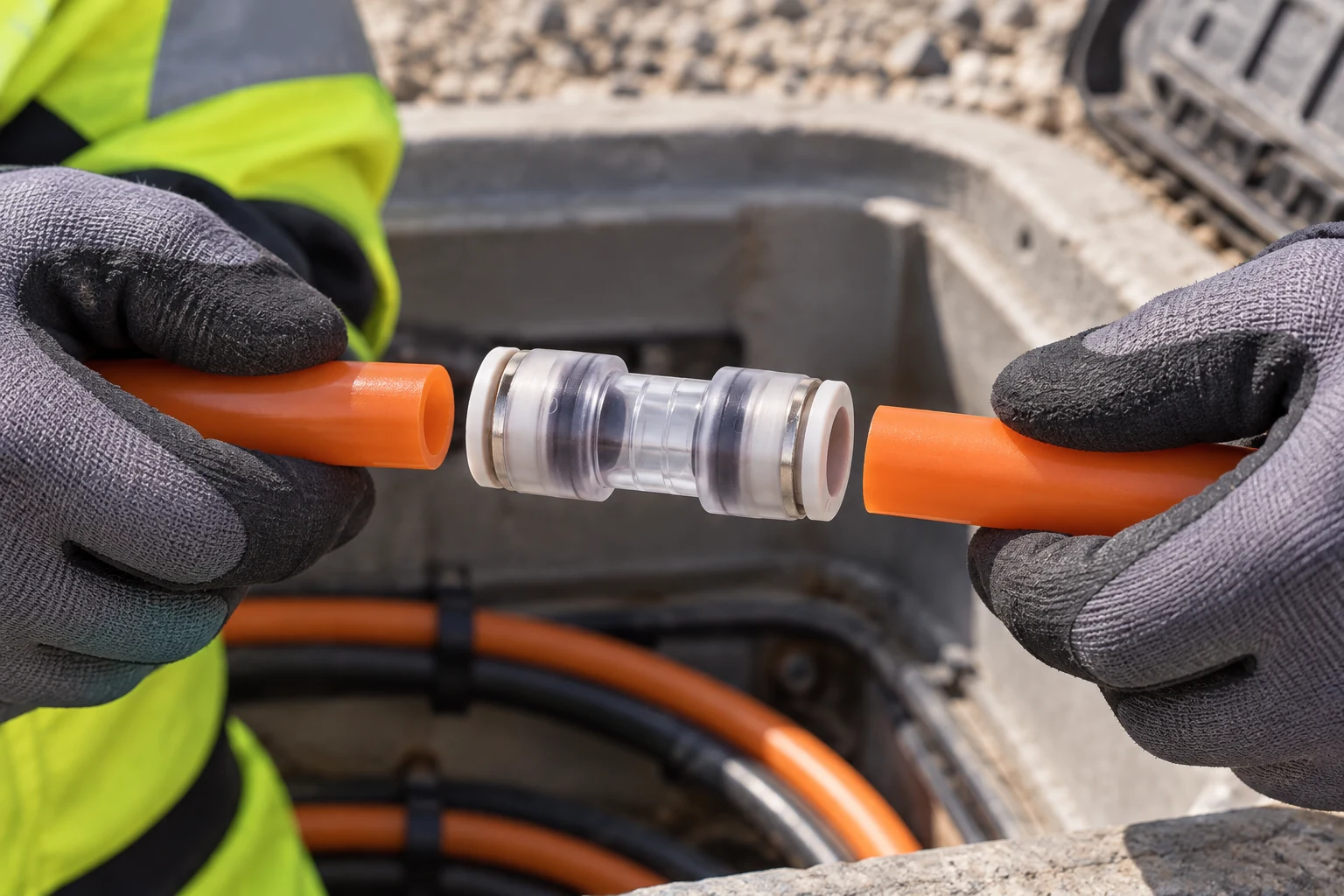
FTTX به معنای Fiber to the X است، که در آن X نقطه پایانی را نشان میدهد: خانه، ساختمان، لبه جاده یا گره. هرچه فیبر بیشتر به سمت کاربر نزدیک شود، قسمت بیشتری از مسیر توزیع محلی اپتیکی خواهد بود، اما شرایط نصب متفاوت است. صاحب شبکه ممکن است در مناطق مختلف از معماریهای مختلف استفاده کند، به جای اینکه تنها یک مدل را در تمامی نقاط اجباری کند.
| معماری | نقطه پایانی فیبر | سوال در مورد برنامهریزی |
|---|---|---|
| فیبر نوری تا خانه | خانه یا مکان | آیا مسیر انتقال و داخل ساختمان قابل نصب و خدماترسانی است؟ |
| FTTB | ساخت | توزیع نرده و مشتری نهایی چگونه مدیریت خواهد شد؟ |
| FTTC | کابینت کنار خیابان | چه بخشی از مدار کوپر یا دسترسی باقی مانده است و چگونه بهروزرسانی خواهد شد؟ |
| FTTN | گره محلهای | کدام بخش محلی ظرفیت و بهرهوری نگهداری را محدود میکند؟ |
کدام روندهای FTTX بر خرید و طراحی مسیر تأثیر میگذارند؟
چهار روند دارای پیامدهای مستقیم مهندسی هستند. اول، اپراتورها فیبر را تا جایی که تقاضا و اقتصاد زیربنایی حمایت میکنند، عمیقتر گسترش میدهند. دوم، ساختوسعی مرحلهای به طور فزایندهای به مسیرهای ذخیره و برچسبدار وابسته است، به طوری که کابلهای بعدی نیازی به حفاری نداشته باشند. سوم، پروژههای روستایی و مناطق کمخدمت، بیشتر بر روی طول مسیر، دسترسی و لجستیک تعمیر و نگهداری تأکید میکنند تا بر روی یک ادعای سرعت اوج واحد. چهارم، اپراتورها در صورتی که چندین پیمانکار از یک مسیر استفاده میکنند، به ثبتهای قابل ردیابی نصب نیاز دارند.
کمیسیون اروپا گزارش وضعیت دهه دیجیتال 2025 این متن، زمینهای عمومی برای پیشرفت ارتباطات در اروپا فراهم میکند. این متن تقاضای محلی، تطابق محصول یا روشی جهانی برای اجرا را تعیین نمیکند؛ بنابراین آن را بیشتر به عنوان یک زمینه بازار و نه به عنوان یک لیست مواد (BOM) استفاده کنید.
جاری روندهای FTTx, گزارشهای پوشش و پیشبینیهای هزینههای سرمایهگذاری، یک سوال عملی در زمینه برنامهریزی را مطرح میکنند: اپراتورها باید تصمیم بگیرند کدام مناطق با فیبر نوری عمیقتر ارزش افزوده دارند و کدام نقاط بهوسیلهٔ یک مسیر تدریجی گزینههای خود را حفظ میکنند. پریسمیان و آنالیسس میسن در مورد ادامهٔ توسعه FTTH/FTTx صحبت میکنند، اما پیشبینیهای بازار تعیینکنندهٔ لیست مواد محلی نیست. طراح مسیر همچنان به اطلاعات مربوط به ساختمانها، دسترسی به زیرساختهای شهری، تأمین برق، زنجیرهٔ تدارکات تعمیرات و یک مرز واگذاری مستند نیاز دارد.
| فشار مشاهدهشده در برنامهریزی | تصمیمی که ایجاد میکند | مدرک مورد نیاز است |
|---|---|---|
| نیاز بیشتر به دسترسی با ظرفیت بالا | با پیشبینی ارتقای مراحلی، فیبر نوری عمیقتر را مقایسه کنید. | درخواست، هدف خدمات و طراحی نوری |
| هزینه بالای کارهای عمرانی | مسیرهای جایگزین قابل دسترس را ذخیره کنید | جدول لولهگذاری، دسترسی به حجره و ثبتنام بسته شدن |
| کارخانه مختلط باقیمانده | انتقالات را قبل از بازاستفاده اندازهگیری کنید | OD/ID، مواد، اتصال و دادههای آزمون |
| مناطق روستایی یا دشوارنما | Value repair access and section length | Bend inventory, access points and logistics |
Keep coverage numbers in context. A coverage statistic describes premises passed or network availability under a defined methodology; it is not the same as subscriptions, delivered speed or a guarantee that a spare duct is ready for a new cable. Before approving an expansion, verify continuity, access rights, dimensions, labels, closure condition and the test record for the intended pathway.
For the fitting boundary, use the site’s فهرست محصولات only after choosing straight, reducer, end-stop or gas-block function. The HDPE microduct pathway and related FTTx acceptance guide help connect civil, duct and optical records without turning a market forecast into a product claim.
What does Europe’s latest coverage report tell a route planner?
کمیسیون اروپا Connectivity Coverage in Europe 2025 report, published in the Digital Decade 2026 package and last updated on 24 August 2026, reports EU27 FTTP coverage of 74.1% and fixed very-high-capacity-network coverage of 85.6%. Its observation period is mid-2025. These are coverage measures, not subscription rates, measurements of delivered speed or forecasts for October 2026.
The distinction matters when using FTTP coverage data in a business case. Fixed VHCN and FTTP are not interchangeable categories. The report also describes greater reliance on fixed wireless access in low-density and geographically difficult areas. It does not establish that XGS-PON is always the best rural solution. Compare the candidate architecture against local addresses, service requirements, available infrastructure, optical design and repair access before choosing equipment.
When should a route use deeper fiber or a staged deployment?
| شرایط پروژه | Planning response | Proof to retain |
|---|---|---|
| Dense urban access with repeat work risk | Prioritize accessible spare microduct capacity and clear labeling | Route drawing, duct schedule and chamber records |
| Rural or long route | Compare civil cost, blowing sections and repair access | Section lengths, bend inventory and test results |
| Mixed legacy and new ducts | Measure actual OD/ID and map each connector transition | Sample measurements and compatibility matrix |
| Building retrofit | Coordinate riser, endpoint power and fire/local-code review | Building survey and approved method statement |
استفاده کنید فهرست محصولات only after the duct dimensions and function are known. Straight, reducer, end-stop and gas-block functions are not interchangeable; the fitting should match the route transition and the required environmental boundary.
How should spare microduct capacity be verified before expansion?
Count usable pathways, not just empty tubes shown on an old drawing. As a planning checklist, verify the intended duct is continuous to the required access points, appropriately closed, dimensionally compatible and available under the owner’s access arrangements. Match labels in chambers to the as-built schedule and record inaccessible or unverified sections separately. A spare duct is an expansion option, not proof that a later cable can be installed without further work.
For a proposed staged fibre rollout, separate installed civil capacity, qualified cable pathways and commissioned optical service in the project schedule. That prevents a civil-work completion figure from being presented as a ready-to-connect premises count. Use the FTTX architecture and acceptance guide to define the handover boundary for each stage, and retain evidence for any claimed cost reduction rather than inserting a universal civil-cost percentage.
Why do connector and duct records matter to future FTTX?
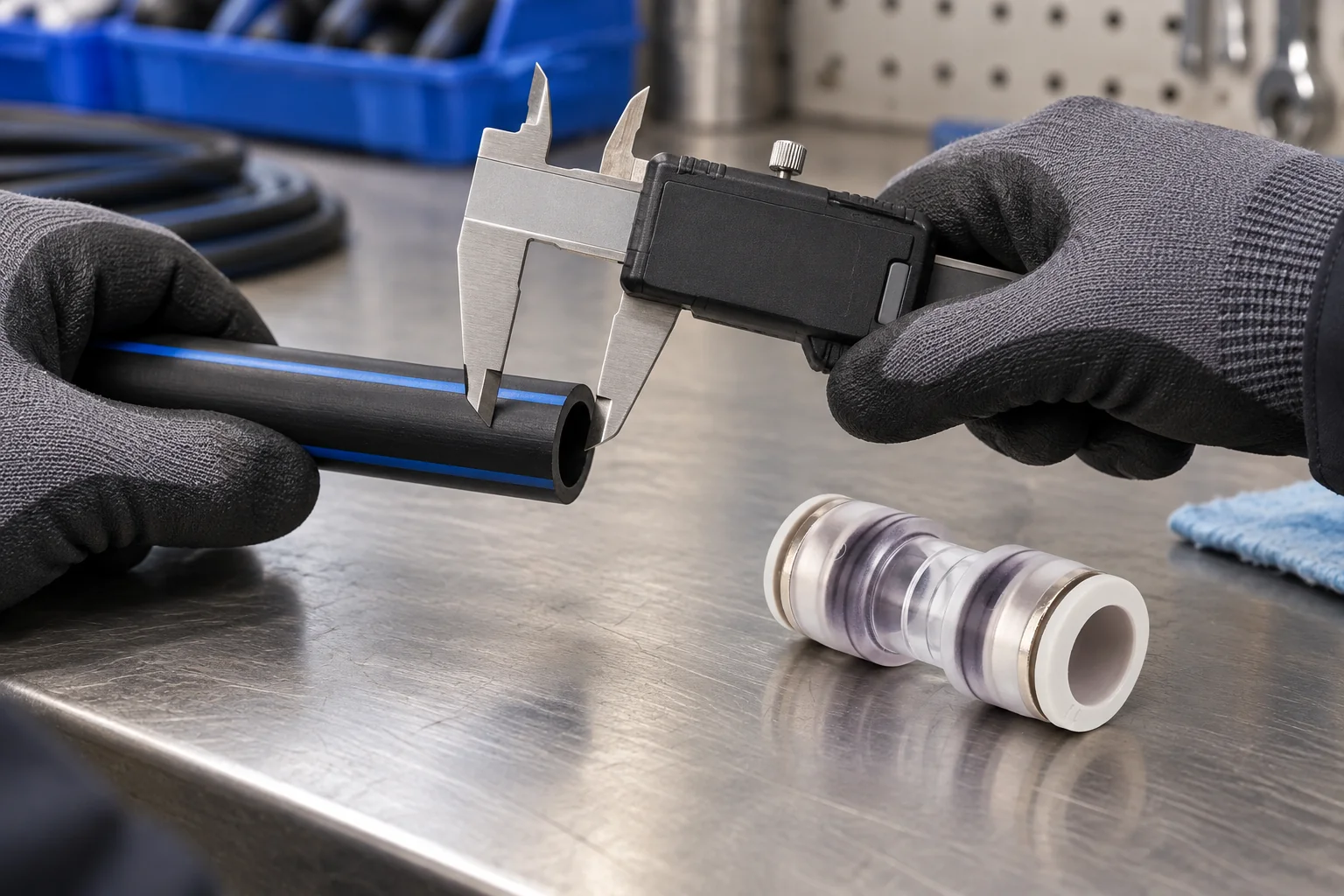
A fiber route is easier to expand when every joint can be identified and tested. Before cable blowing, inspect square duct cuts, full insertion and the condition of the visible sealing area. Confirm the connector’s approved OD range, document the pressure or leakage method selected by the project, and record each transition. IEC 60794-5-20 addresses microduct fibre units, microducts and protected microducts installed by blowing. Its cable-system scope does not establish a universal field pressure or certify an arbitrary connector. Keep the supplier’s exact configuration and the network owner’s acceptance method with the route record.
What should be tested before an FTTX section is accepted?
Test a representative assembled section before production quantities are released. Confirm duct continuity, route access, connector seating, temporary caps, pressure stabilization and the agreed hold period. Record the cable and duct identifiers, weather or temperature conditions where relevant, gauge readings and any intervention. A pressure drop can come from a joint, test equipment or temperature change; isolate sections before replacing hardware.
How should a network plan respond when its assumptions change?
Keep the demand assumptions, architecture decision and pathway qualification separate in the project record. A new coverage report may update the market context without changing the measured condition of a local duct. Conversely, a newly discovered blockage can change the installation plan even when the demand forecast is unchanged. Identify which evidence has changed before revising the bill of materials.
For each expansion stage, record the addresses or sections in scope, the route owner, access arrangements and outstanding checks. Link procurement to those boundaries so that a planned spare pathway is not treated as qualified capacity merely because it appears on a drawing. Review the selected connector function and duct dimensions before substitutions, and keep the accepted drawing revision with the order.
Use the next handover to close the gap between planned and actual capacity. Record which pathways were verified, which cables were installed and which optical services passed their specified checks. Where a section remains inaccessible or untested, state that limitation in the schedule. This gives later planners a clearer starting point than a single completion percentage and helps them distinguish an expansion opportunity from a ready-to-use route.
سوالات متداول
Will FTTH replace every other FTTX architecture?
No. Architecture depends on density, civil cost, building access, existing assets and the service target.
Is more fiber always the cheapest long-term option?
No. Compare civil work, pathway access, maintenance, power, spares and future additions rather than cable count alone.
Why are microducts used in staged FTTX builds?
They can reserve organized pathways for later cable placement, provided the route remains accessible, sealed, labeled and dimensionally compatible.
What is the main risk in mixed legacy routes?
Nominal labels may hide different outside diameters, materials or joint conditions. Measure a representative sample and qualify the transition.
Do standards certify a complete FTTX network?
No. Standards define the scope of a method or component requirement. The owner still needs configuration-specific evidence and acceptance tests.
What is the most useful trend metric for a buyer?
Use route-specific demand, civil cost, serviceability and staged capacity. Do not substitute a global forecast for a project measurement.
Is the 2026 report based on coverage measured during all of 2026?
No. The Commission’s Connectivity Coverage in Europe 2025 report belongs to the 2026 Digital Decade package but reports coverage as of mid-2025. State both the publication context and observation period when quoting its figures.
Does an empty microduct guarantee room for the next cable?
No. Check continuity, actual dimensions, closure condition, access rights and route availability. Treat undocumented sections as unverified capacity until the project-specific checks are complete.
Does a higher FTTx forecast prove local demand?
No. Forecasts provide market context. Address-level demand, civil access and the service plan determine the local decision.
مراجع
- European Commission, State of the Digital Decade 2025
- IEC 60794-5-20: microduct fibre units and microducts installed by blowing
- IEC standards portal (verify the applicable 60794-5 edition)
- Prysmian FTTH/B and FTTx market context
- Analysys Mason FTTx coverage and capex scope
خلاصه
FTTX planning should connect demand and coverage evidence to a route that can be built, tested and maintained. Choose deeper fiber or staged deployment from local conditions, verify spare pathways before counting them as usable capacity, and retain duct, connector and optical acceptance records. Review the دستهبندی محصولات against those measured requirements. Market growth provides context; the qualified route and service boundary determine what the project can deliver.



