
کارهای زیرزمینی مربوط به لولههای کوچک اغلب زمانی به پایان رسیده تلقی میشوند که لولهها خاکپوش شدهاند، اما یک مسیر مسدود یا یک سر راه بدون حفاظت میتواند هفتهها بعد نصب فیبر نوری را متوقف کند. ترتیب قابل اعتماد شامل ارزیابی مسیر، قرارگیری کنترلشده، اتصال تمیز، حفاظت از انتهای باز و ثبت اسنادی است که وضعیت پذیرفتهشده قبل از بادکشی کابل را نشان میدهد. این ترتیب تیمهای عمرانی، فیبر نوری و نگهداری را براساس همان شواهد همراستا میکند.
ارسال کنید میکروالت پلیاتیلن سنگین به مسیر بررسیشده، سپس قبل از ورود فیبر ارزشمند، پیوستگی، تغییر شکل، تمیز بودن و نشتی را بررسی کنید. IEC 60794-5-10 کابلهای فیبر نوری میکروکانالی بیرونی و میکروکانالهای مرتبط را برای نصب با روش فویش در بر میگیرد. هنگام استفاده از آن استاندارد، به شرایط آزمایش پروژه و دستورالعملهای محصول ارائهشده پایبند باشید. هر کدام را حفظ کنید فیبر نوری مسیر را با اتصالدهنده مناسب وصل کنید و ثبت کنید. نصب نتیجه.
قبل از حفر خندق، چه چیزی باید برنامهریزی شود؟
اعتبارات مربوط به فاصلههای ایمنی، شناسه مسیر، شعاع خمها، حفرهها، نقاط ورود، ظرفیت بازمانده و جزئیات تأییدشده مدفونسازی یا پشتیبانی را تأیید کنید. قطر بیرونی لولهکشی و ساختار دیواره آن را ثبت کنید تا اتصالات و درپوشها بر اساس ابعاد واقعی انتخاب شوند. نقشه مسیر و ثبت تصویری را نگهداری کنید؛ نیروی عملیاتی بعدی نباید مکان خمها یا انتقالات را از روی استنباط تعیین کند.
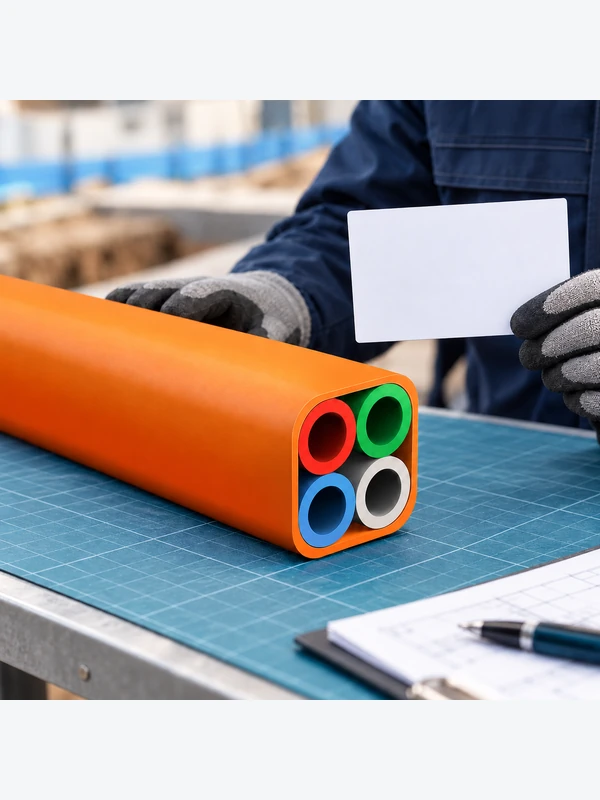
در حین نصب، چرخههای لوله و منحنیهای کنترل را محافظت کنید.
پیش از آزاد کردن چرخههای تحویل شده برای نصب، آنها را با دقت بررسی کنید. علامتگذاری لولهکشی را با جدول مسیر مقایسه کنید، به دنبال آسیبهای حمل و نقل باشید و مطمئن شوید که انتهای باز همچنان محافظت شده است. دستورالعملهای نگهداری و دستکاری توسط تأمینکننده را همراه با سوابق تحویل نگه دارید، بهویژه در مواردی که چرخهها باید در فضای باز نگهداری شوند. هرگونه آسیب را روی چرخه یا قطعهٔ متاثر ثبت کنید تا در صورت تلفیق چندین تحویل در محل، از دست نروند.
برنامهریزی کنید که چگونه مخزن کابل خواهد بود و چگونه لوله از منحنیها، حفرهها و پایههای تثبیتی عبور خواهد کرد. در طول عملیات ساخت، از حدود انعطافپذیری و محدودیتهای نصب مجاز توسط تأمینکننده استفاده کنید. شعاع بهیادمانده برای یک لوله دیگر یا برای کابلی که قبلاً نصب شده، جایگزین نیست. موقع نصب، قبل از آنکه پرکردن یا پوشش آنها را دسترسناپذیر کند، انتقالات را بررسی کنید. هویجهای شناسایی لوله را در انتهای قابل دسترس قابل مشاهده نگه دارید و هنگام کوتاهتر یا بازسازی مسیر یک بخش، آنها را بهروزرسانی کنید.
در محل اتصالات، مطمئن شوید که لوله در منطقه گرفت و مهرکردن به شکل گرد و بدون آسیب باقی مانده است. بررسی کنید که اتصال مستقیم قبل از برش زدن قسمت آسیبدیده، دستورالعملهای طراحی و نصب را ملاحظه کنید. اگر یک تعمیر منجر به تغییر در طول مسیر، موقعیت اتصال یا نحوه دسترسی شود، نقشه پس از ساخت را بهروزرسانی کنید. راهنمای Hexatronic، از جمله شرایط آسیبزایی ناشی از کشش بیش از حد، کشش و تأثیر خاکریزی را به عنوان مواردی که تست سلامت لولهکشی قرار است کشف کند، مشخص میکند. بخش تحت تأثیر را در بررسیهای پس از نصب توافقشده شامل کنید.
مسیر میکروکانال چگونه ارزیابی میشود؟
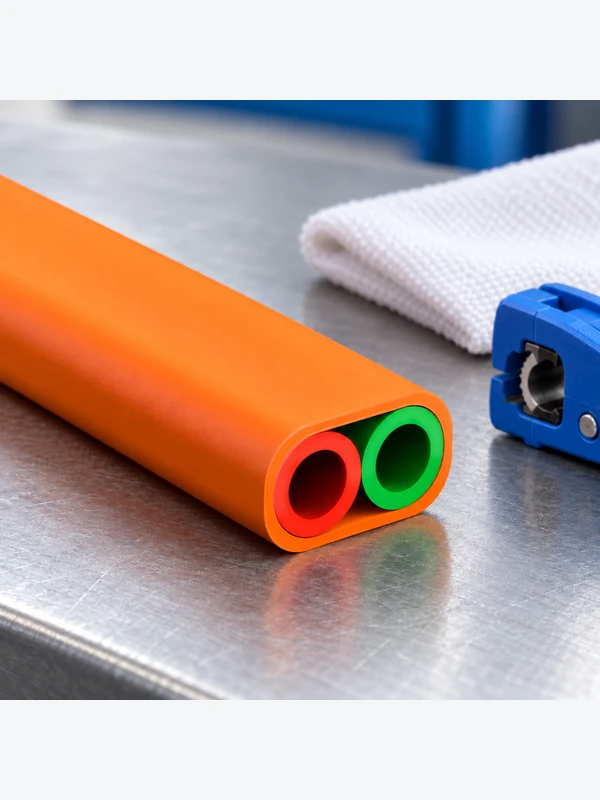
- نهايات، حفرهها، انتقالات و پشتیبانهای آشکار را بررسی کنید.
- قطعات را، نشست کنکتورها و محافظت انتهایی را بررسی کنید.
- مسیر را با استفاده از روشهای تأییدشده شامل اسفنج، برس، ماندرل یا پالِت تمیز کنید.
- پس از استقرار، آزمون پیوستگی، فشار یا سلامت مورد نظر را اجرا کنید.
- بخش مسیر، شناسه لولهگذاری، تجهیزات، میانبر، مدت زمان، معیار و نتیجه را ثبت کنید.
| ایست بازرسی | شواهد | چرا مهم است |
|---|---|---|
| هندسه مسیر | ثبت مطالعه، خم و حجره | نشان میدهد که مسیر کابل از نظر فیزیکی قابل اجرا است. |
| حالت لوله انتقال | نتیجهی تمیزکاری و تداوم | مسدودی را قبل از فوت کردن شناسایی میکند |
| مفاصل و انتهای آنها | شماره قطعه، مطابقت قطر خارجی و ثبت بستن | تسرب و آلودگی را محدود میکند |
| ترنسمیشن | برگه آزمایش و شناسه مسیر ساخته شده | پشتیبانی از نگهداری آینده و بازگشت مجدد |
چه استانداردهایی باید مورد ارجاع قرار گیرند؟
IEC 60794-5-10 covers outdoor microduct optical fibre cables and associated microducts for installation by blowing. Its public scope describes the family of products; use the applicable project specification, exact product documentation and required test procedures for acceptance.
مقایسه کنید مشخصات میکروکانال HDPE with the route dimensions and installation method before ordering. Keep the selected duct code with the test and maintenance records.
Which checks should be completed before fiber enters the duct?
Route qualification should be treated as a staged handover rather than one pressure reading. First confirm the route drawing, duct identity, accessible ends and connector locations. Then inspect for crushed sections, sharp cuts, contamination, water ingress and unacceptable bends. A mandrel, proving tool, air test or other method should be selected by the project specification and duct size. The result must identify the equipment, condition, hold period and acceptance criterion.
Hexatronic’s duct-integrity testing guidance describes pre-fiber testing across common microduct ranges and links the practice to lower cable waste. IEC 60794-5-10 covers outdoor microduct optical fibre cables and their associated microduct systems for installation by blowing. Use the product documentation and the owner’s route-specific test procedure to define the required checks and acceptance criteria.
| صحنه | چه چیزی را باید بررسی کرد | Record for handover |
|---|---|---|
| Before connection | OD, cut quality, labels, caps and cleanliness | Route ID, duct ID, connector part and photos |
| After jointing | Insertion, alignment, retention and seal condition | Joint location, installer and assembly check |
| Before blowing | Continuity, obstruction, leakage and route readiness | Equipment, medium, pressure or proving result |
| After civil work | Damage, flooding, movement and changed access | Reinspection date, defect and corrective action |
How should maintenance records prevent repeated failures?
A maintenance record should make the next decision possible without relying on memory. Keep the duct and cable schedule, connector drawing, cut and insertion instructions, test method, result, repair history and closure status together. Mark whether an end is vacant, occupied or reserved for future work. When a blowing run fails, check the nearest joint as well as bends, obstruction, feed alignment and machine settings; replacing a connector without locating the actual boundary can move the failure rather than solve it.
Use a clean temporary closure whenever a duct is open, and replace damaged seals rather than masking them with tape or force. If the route has been flooded or disturbed by excavation, repeat the project-approved qualification before introducing fiber. The HDPE microduct product page and straight connector page can support the part review, while the acceptance decision remains tied to the measured route.
Restore a flooded or disturbed route before the next cable run
Begin with the affected section and the work that preceded the problem. Record whether the chamber flooded, excavation crossed the route, a joint was reopened or a previous cable attempt stopped. Inspect accessible ends and check their identifiers against the drawing. This helps the crew choose a repair and inspection area without treating every duct in the network as damaged.
Before duct integrity testing, identify the route’s status: vacant, occupied or containing a reserved cable. A procedure intended for an empty duct may not be suitable for a duct carrying live service. Confirm the permitted cleaning and proving equipment, secure the receiving end and follow the equipment supplier’s precautions. Do not increase air pressure or force a proving tool through a restriction to avoid investigating it.
Keep cleanliness, continuity and leakage results separate. Recover the cleaning or proving item as the procedure requires, record visible contamination or damage, and investigate an incomplete pass. Repair the identified defect, protect the ends again and repeat the affected acceptance checks. If the intended cable, route or equipment has changed, review the installation plan using the air-blown cable installation guide and the actual suppliers’ limits.
Release the route for cable work only when the responsible person has accepted the required checks. Record the repaired location, replaced parts, inspection date and current end protection. Keep earlier results as history, but identify which result applies to the repaired configuration. A later crew should be able to distinguish the original acceptance from a subsequent repair.
سوالات متداول
Should a microduct be tested before fiber blowing?
Yes, qualify the route before introducing valuable cable, using the approved duct-integrity and continuity methods. Hexatronic’s guidance describes checking for deformation, obstruction and leakage before fiber installation. A successful cleaning pass and an acceptable pressure result answer different questions. Keep both results associated with the same route section and duct identity.
Can every microduct use the same pressure test?
No. Duct construction, connector limits, test equipment and the project procedure determine the permitted condition. A pressure copied from another product is not a safe acceptance specification. Confirm the assembly’s limiting component and the required stabilization and hold periods. Isolate the test zone and use the equipment supplier’s operating precautions.
How should open microduct ends be protected?
Fit clean, dimensionally compatible closures and identify which ends are empty, reserved or occupied. A temporary closure prevents an exposed end from being treated as an acceptable final cable seal. Before reuse, inspect the closure and duct surface for contamination or damage. Record any change of end status so the blowing crew knows which route has actually been prepared.
When should a duct route be reinspected?
Reinspect after work that may change geometry, cleanliness, sealing or access, including excavation, chamber alterations and connector replacement. Flooding or an unsuccessful blowing attempt also warrants investigation before another cable is introduced. Identify the affected section rather than automatically repeating an unrelated test on the whole network. Retain the defect and corrective-action record with the new acceptance result.
What belongs in a duct-integrity handover record?
Include route and duct IDs, section endpoints, connector details, test equipment and its identification, medium, applied condition and the acceptance criterion. Record stabilization and hold periods where the procedure requires them, as well as defects and repairs. The record should show who accepted the route and when. A bare statement that the duct passed does not let another crew reproduce or interpret the test.
Does passing a pressure test prove that fiber will blow successfully?
No. Leakage control does not establish that every bend, bore restriction or feed arrangement is suitable for the selected cable. Review geometry and continuity alongside sealing, then check the cable and blowing-machine instructions. IEC 60794-5-10 covers outdoor microduct optical fibre cable systems; a route-specific installation assessment is still needed. Treat blowing readiness as a combination of checks rather than a single pressure reading.
Should an empty spare duct be retested after nearby excavation?
Review the affected section for changes to geometry, joints, contamination and access. Use the project procedure to decide which checks must be repeated. An earlier acceptance result describes the earlier condition; retain it as history and identify the inspection or test that releases the disturbed section for use.
Can the same proving procedure be used on an occupied duct?
Do not assume so. Confirm the cable and service status first, then obtain a procedure suitable for that configuration. Cleaning tools, test fittings and applied conditions must be compatible with the installed cable and any live services. Keep the operator’s permissions and isolation arrangements with the work instructions.
مراجع
- IEC 60794-5-10: outdoor microduct cabling specification scope.
- Hexatronic: pre-fiber duct-integrity tests.
خلاصه
Hand over the duct route with readable identifiers, protected ends, as-built drawings and the required inspection and test results. Start with the surveyed geometry and duct schedule, select matching joints and closures, and protect open ends throughout the civil work. Before fiber blowing, qualify both the physical passage and the sealing condition using documented project procedures. A pressure result alone does not establish bend suitability or prove that a chosen cable will pass. Reinspect disturbed sections and preserve the findings with the as-built records so maintenance does not repeat the same investigation. Oulu’s microduct and connector products can be reviewed against that measured route; final selection still depends on the exact dimensions and installation conditions.



