Underground microduct work is often judged complete when the duct is buried, yet a blocked route or unprotected end can stop a fiber installation weeks later. The reliable sequence is route qualification, controlled placement, clean joining, protection of open ends and records that show the condition accepted before cable blowing. That sequence aligns the civil, fiber and maintenance teams around the same evidence.
The short answer is to install microducto de HDPE to a surveyed route, then qualify continuity, deformation, cleanliness and leakage before valuable fiber enters. ITU-T L.108 covers fiber cable elements used for microduct blowing, while IEC 60794-5-10 provides an outdoor microduct cabling reference. Neither standard removes the need to follow the project’s test conditions. Protect every fiber optic pathway with the correct connector and record the installation result.

What must be planned before trenching?
Confirm utility clearances, route ID, bend radii, chambers, entry points, spare capacity and the approved burial or support detail. Record duct OD and wall construction so connectors and closures are selected against actual dimensions. Keep a route drawing and photo record; a later blowing crew should not need to infer where bends or transitions are located.
How is a microduct route qualified?
- Inspect exposed ends, chambers, transitions and supports.
- Check cuts, connector seating and end protection.
- Clean the pathway with the approved sponge, brush, mandrel or pellet method.
- Run the specified continuity, pressure or integrity test after stabilization.
- Record route section, duct ID, equipment, medium, duration, criterion and result.
| Checkpoint | Evidence | Por qué importa |
|---|---|---|
| Route geometry | Survey, bend and chamber record | Shows the cable path is physically plausible |
| Duct condition | Cleaning and continuity result | Finds blockage before blowing |
| Joints and ends | Part number, OD match and closure record | Limits leakage and contamination |
| Handover | Test sheet and as-built route ID | Supports future maintenance and re-entry |
Which standards should be cited?
ITU-T L.108 addresses optical-fibre cable elements for microduct blowing installation. IEC 60794-5-10 provides a reference for outdoor microduct cabling. Treat both as scope and test-framework references; check the current edition, contract and product evidence for the actual acceptance requirement.
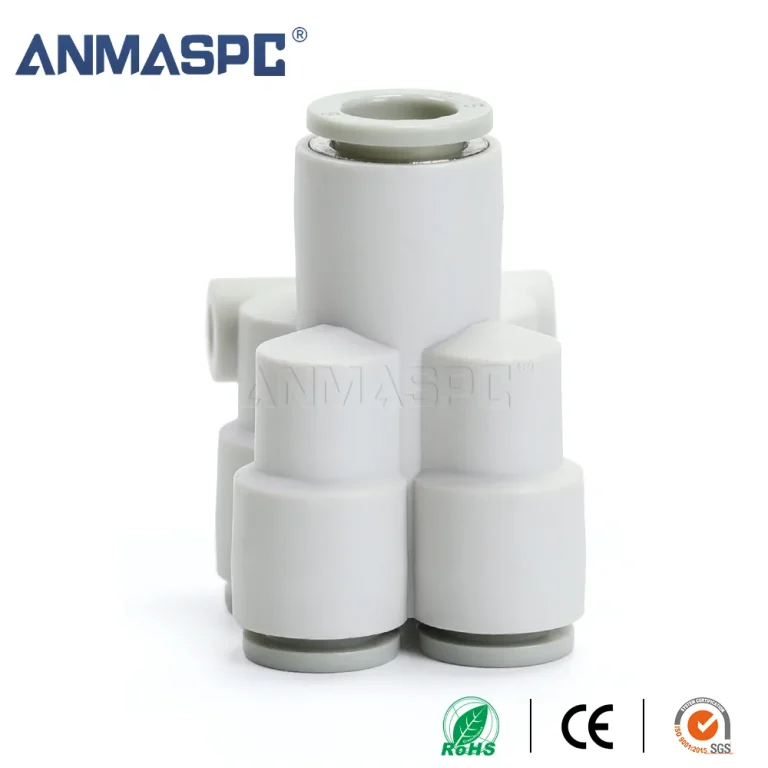
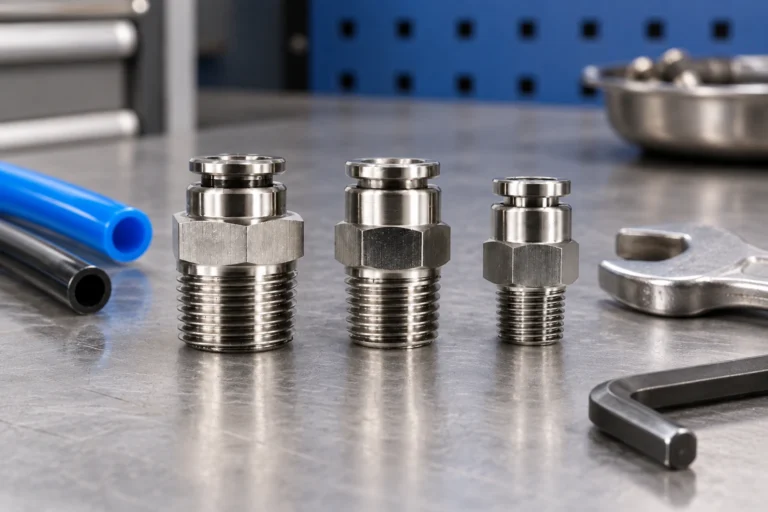
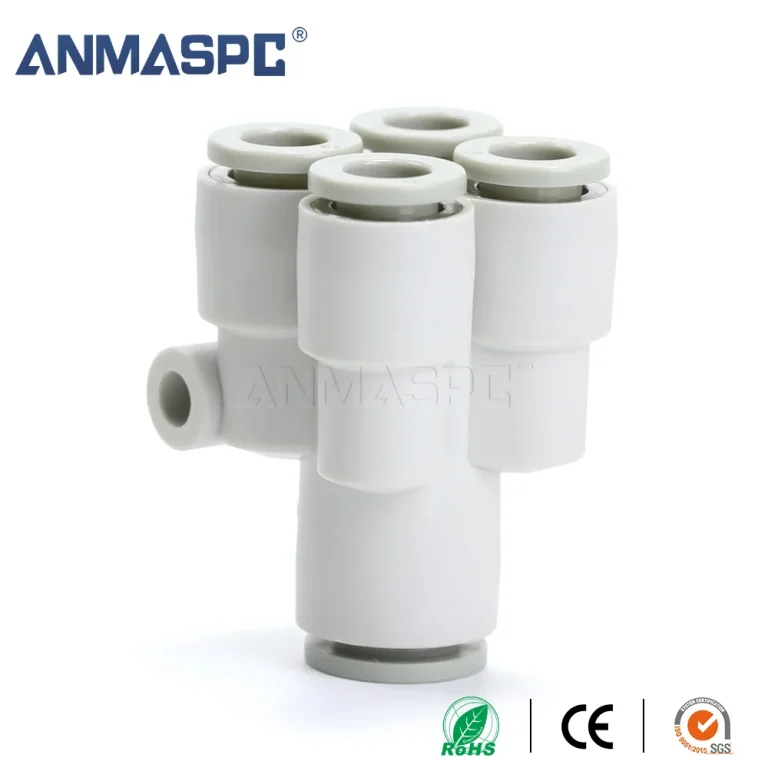
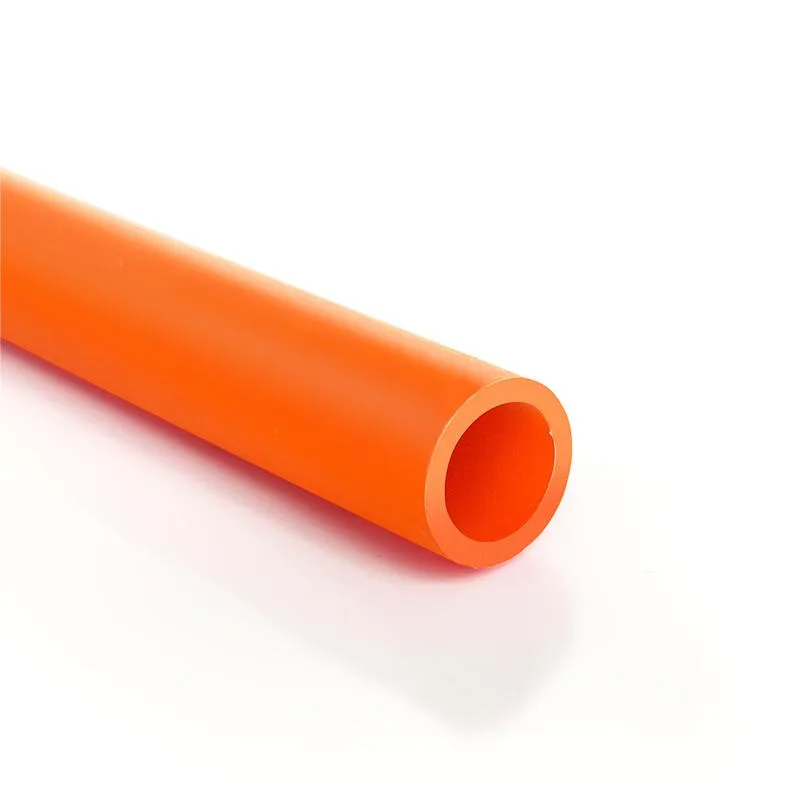
For next-step planning, compare the HDPE microduct product, the straight connector and the air-blowing guide.
Which checks should be completed before fiber enters the duct?
Route qualification should be treated as a staged handover rather than one pressure reading. First confirm the route drawing, duct identity, accessible ends and connector locations. Then inspect for crushed sections, sharp cuts, contamination, water ingress and unacceptable bends. A mandrel, proving tool, air test or other method should be selected by the project specification and duct size. The result must identify the equipment, condition, hold period and acceptance criterion.
Hexatronic’s duct-integrity testing guidance describes pre-fiber testing across common microduct ranges and links the practice to lower cable waste. ITU-T L.108 addresses optical fibre cable elements for microduct blowing installation, while IEC 60794-5-10 provides an outdoor microduct cabling reference. These sources frame the work; they do not replace the owner’s route-specific test procedure or make an unverified test result acceptable.
| Stage | Qué verificar | Record for handover |
|---|---|---|
| Before connection | OD, cut quality, labels, caps and cleanliness | Route ID, duct ID, connector part and photos |
| After jointing | Insertion, alignment, retention and seal condition | Joint location, installer and assembly check |
| Before blowing | Continuity, obstruction, leakage and route readiness | Equipment, medium, pressure or proving result |
| After civil work | Damage, flooding, movement and changed access | Reinspection date, defect and corrective action |
How should maintenance records prevent repeated failures?
A maintenance record should make the next decision possible without relying on memory. Keep the duct and cable schedule, connector drawing, cut and insertion instructions, test method, result, repair history and closure status together. Mark whether an end is vacant, occupied or reserved for future work. When a blowing run fails, check the nearest joint as well as bends, obstruction, feed alignment and machine settings; replacing a connector without locating the actual boundary can move the failure rather than solve it.
Use a clean temporary closure whenever a duct is open, and replace damaged seals rather than masking them with tape or force. If the route has been flooded or disturbed by excavation, repeat the project-approved qualification before introducing fiber. The HDPE microduct product page and straight connector page can support the part review, while the acceptance decision remains tied to the measured route.
Preguntas frecuentes
Should a microduct be tested before fiber blowing?
Yes, qualify the route before introducing valuable cable, using the approved duct-integrity and continuity methods. Hexatronic’s guidance describes checking for deformation, obstruction and leakage before fiber installation. A successful cleaning pass and an acceptable pressure result answer different questions. Keep both results associated with the same route section and duct identity.
Can every microduct use the same pressure test?
No. Duct construction, connector limits, test equipment and the project procedure determine the permitted condition. A pressure copied from another product is not a safe acceptance specification. Confirm the assembly’s limiting component and the required stabilization and hold periods. Isolate the test zone and use the equipment supplier’s operating precautions.
How should open microduct ends be protected?
Fit clean, dimensionally compatible closures and identify which ends are empty, reserved or occupied. A temporary closure prevents an exposed end from being treated as an acceptable final cable seal. Before reuse, inspect the closure and duct surface for contamination or damage. Record any change of end status so the blowing crew knows which route has actually been prepared.
When should a duct route be reinspected?
Reinspect after work that may change geometry, cleanliness, sealing or access, including excavation, chamber alterations and connector replacement. Flooding or an unsuccessful blowing attempt also warrants investigation before another cable is introduced. Identify the affected section rather than automatically repeating an unrelated test on the whole network. Retain the defect and corrective-action record with the new acceptance result.
What belongs in a duct-integrity handover record?
Include route and duct IDs, section endpoints, connector details, test equipment and its identification, medium, applied condition and the acceptance criterion. Record stabilization and hold periods where the procedure requires them, as well as defects and repairs. The record should show who accepted the route and when. A bare statement that the duct passed does not let another crew reproduce or interpret the test.
Does passing a pressure test prove that fiber will blow successfully?
No. Leakage control does not establish that every bend, bore restriction or feed arrangement is suitable for the selected cable. Review geometry and continuity alongside sealing, then check the cable and blowing-machine instructions. ITU-T L.108 addresses cable elements for microduct blowing; it does not replace a route-specific installation assessment. Treat blowing readiness as a combination of checks rather than a single pressure reading.
Referencias
- ITU-T L.108 (08/2026): optical fibre cable elements for microduct blowing.
- IEC 60794-5-10: outdoor microduct cabling specification scope.
- Hexatronic: pre-fiber duct-integrity tests.
Summary
A microduct installation is complete when the next crew can identify, inspect and use the route without guessing what was accepted. Start with the surveyed geometry and duct schedule, select matching joints and closures, and protect open ends throughout the civil work. Before fiber blowing, qualify both the physical passage and the sealing condition using documented project procedures. A pressure result alone does not establish bend suitability or prove that a chosen cable will pass. Reinspect disturbed sections and preserve the findings with the as-built records so maintenance does not repeat the same investigation. Oulu’s microduct and connector products can be reviewed against that measured route; final selection still depends on the exact dimensions and installation conditions.