
Les zones de soudage rassemblent des particules chaudes, des bords tranchants, une circulation piétonne et un mouvement répété des flexibles. Un flexible à double couche peut contribuer à protéger le tuyau sous pression, mais la désignation de sa construction ne suffit pas à garantir ses performances en matière de résistance aux flammes, sa capacité de pression ou sa compatibilité chimique. Vérifiez le flexible, les raccords et le cheminement en fonction de la charge d’air réelle et des mesures de contrôle des travaux à chaud en vigueur sur le site.
Vérifiez la pression de service, la température, la définition de l’impulsion ou de la rupture, les preuves de couverture, le rayon de courbure et le profil de raccordement du modèle exact. ISO 4414 établit des principes de sécurité pour les systèmes pneumatiques ; elle ne certifie pas un tuyau. Traitez tuyau d’air à double couche la construction en tant que caractéristique de conception, distinguer pression de service à partir des valeurs de crête ou d’impulsion et évaluez le environnement de soudage séparément.
Un tuyau à double couche est-il automatiquement ignifugé ?
Non. Une couche externe peut offrir une protection contre l’abrasion ou les étincelles, mais la résistance aux flammes ou à la chaleur nécessite un matériau spécifique au modèle et des preuves d’essai. Éloignez la conduite des flammes directes et du métal en fusion, utilisez des protections ou des entretoises, et respectez le permis de travail à chaud ainsi que les mesures de sécurité et d’ordre sur le site.
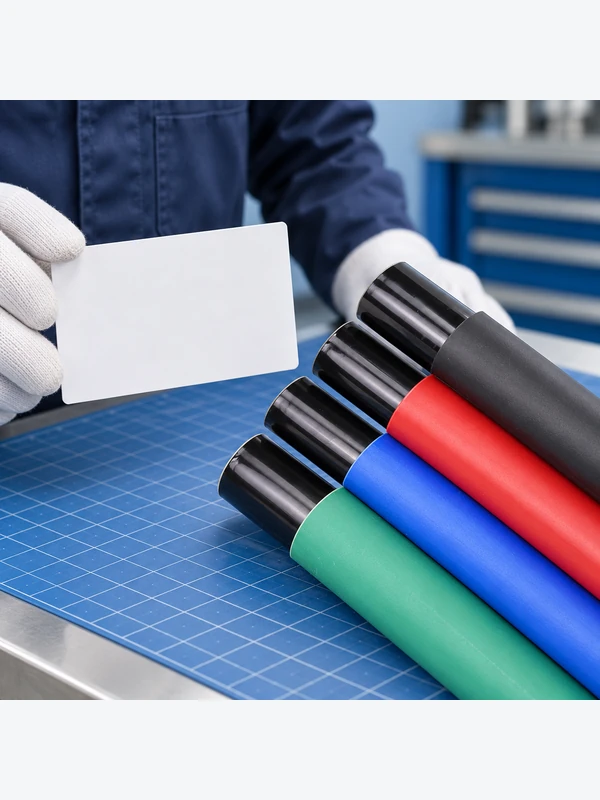
Quelle valeur de pression doit figurer dans le bon de commande ?
Enregistrez la pression de fonctionnement normale, la pression maximale du compresseur, les conditions transitoires ou d’impulsion, la température et le fluide. Une valeur de catalogue tel que 300 psi n’a de sens que lorsque le fournisseur l’identifie comme étant la pression de service dans les conditions applicables. L’ensemble complet est limité par le tuyau, le raccord, le coupleur, le collier, l’entrée d’outil ou l’accessoire ayant la cote la plus basse.
| Vérifier | Enregistrement | Motif |
|---|---|---|
| Pression | Valeurs de fonctionnement, maximales et transitoires | Sépare l’évaluation du service des preuves de dépassement |
| Chaleur et étincelles | Distance, exposition, test de couverture et protection | Contrôle le risque d’allumage et d’abrasion |
| Mouvement | Rayon de courbure, cycles de flexion et supports | Réduit la fatigue et la charge latérale sur le connecteur |
| Interface | Diamètre intérieur du tuyau, raccord, filetage et joint | Empêche les fuites et les remplacements incompatibles |
| Inspection | Vérifications avant utilisation et critères de remplacement | Détecte les dommages avant l’application de la pression |
Vérifiez l'alimentation en air pendant le fonctionnement de l'outil.
Pour une réclamation concernant des performances médiocres de l’outil, enregistrez le moment où le problème se produit : au démarrage, lors d’une utilisation prolongée, pendant les déplacements ou lorsque des outils voisins sont en fonctionnement. Demandez au fournisseur d’équipement d’examiner le débit et la pression requis à l’outil, ainsi que le diamètre intérieur du tuyau, sa longueur, le passage du raccord et la configuration de l’alimentation. Une lecture statique de la jauge en l’absence de demande d’air ne reflète pas toutes les conditions de fonctionnement. Conservez le point de mesure et l’état de fonctionnement pour chaque observation.
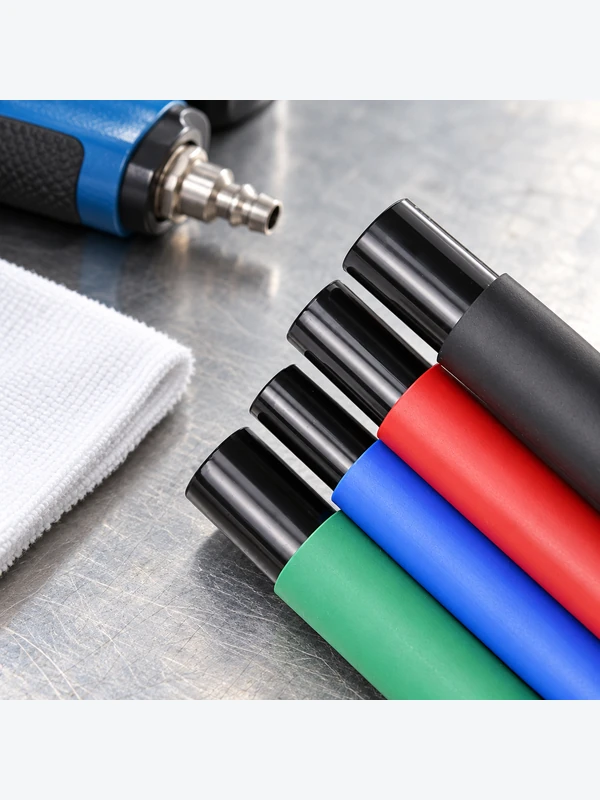
Distinguez un problème d’alimentation d’une connexion endommagée ou incompatible. Vérifiez l’absence d’écrasement, de coudes trop serrés, d’obstructions et la conformité des raccords au profil spécifié. Si le tuyau doit être remplacé, contrôlez également son diamètre intérieur, sa longueur ainsi que la composition de sa gaine. En cas de fuite au niveau de l’entrée du tube ou de l’embout fileté, le Guide de dépannage pour une installation droite fournit une séquence d’inspection distincte. Effectuez les réparations conformément à la procédure d’isolement du site, puis répétez le contrôle fonctionnel autorisé en appliquant les mesures de sécurité normales.
Enregistrez la pièce de remplacement approuvée en tant qu’ensemble complet : série du tuyau, dimensions, préparation des extrémités, codes des raccords ou coupleurs, ainsi que les instructions utilisées. Un changement de la couche externe peut nécessiter une méthode de préparation différente, même lorsque le diamètre catalogue semble familier. Obtenez la confirmation du fournisseur avant de modifier la combinaison tuyau‑raccord sur plusieurs postes de travail.
Comment le tuyau doit-il être acheminé et inspecté ?
Keep it away from sharp edges, doors, vehicles, standing water and the hot-work plume. Before each shift inspect cuts, blisters, flattening, exposed reinforcement, damaged threads and coupling movement. Isolate and depressurize before disconnecting.
ISO 4414 is a system-safety reference. OSHA 29 CFR 1910.242(b) addresses compressed-air cleaning at less than 30 psi with guarding and PPE; neither source approves a specific hose.
What evidence supports a hose claim in a welding area?
Construction alone does not establish a flame or heat claim. A buyer should request the exact hose series, cover and tube materials, test method, temperature conditions, pressure definition and coupling instructions. SMC’s spatter-resistant tubing information shows how a specified series can be tied to a flame-resistance classification; that evidence belongs to the documented product family and cannot be inferred from the phrase double-layer. A hot-work risk assessment also considers routing, guards, distance from the arc, radiant heat, moving equipment and inspection frequency.
The assembly limit is set by the weakest component. A hose with a high catalogue value can still be restricted by a fitting, coupler, clamp, tool inlet or accessory. ISO 4414 provides pneumatic system safety principles, but it is not a certificate for an individual hose. Put normal pressure, transient duty, temperature, medium, minimum bend radius and replacement criteria in the purchase specification.
| Question | Des preuves nécessaires | Why it changes the decision |
|---|---|---|
| What is the normal pressure? | Working-pressure value at actual temperature and medium | Burst or impulse numbers are not continuous operating limits |
| What reaches the cover? | Material and test evidence for sparks, spatter or heat | Distance and guarding may be more important than construction name |
| How does the hose move? | Length, bend radius, drag, vibration and support | Repeated flexing can damage a sound-looking cover or coupling |
| How is failure found? | Inspection interval, leak check and replacement trigger | Small cuts and flattening can become a pressure hazard |
How should the installation be inspected after commissioning?
Inspect the hose after the first operating cycle and whenever the welding layout changes. Look for cuts, blisters, flattening, exposed reinforcement, heat damage, abrasion and coupling movement. A static pressure check should be followed by the site’s functional check under the intended movement and flow condition. If a leak appears only when a tool moves, examine bend support and strain at the coupling before increasing compressor pressure.
Send a supplier the complete duty rather than a product nickname: pressure, temperature, medium, length, ID, movement, spark exposure and fitting profile. The gamme de pièces pneumatiques can be reviewed after those conditions are known. Record the selected series and supplier’s response with the operating conditions used for approval.
What is the difference between a protective cover and the pressure tube?
The layer carrying the air and the layer facing spatter perform different jobs. SMC identifies TRB as a double-layer tubing family and TRTU as a three-layer family, while other listed spatter-resistant series use different constructions. Its material descriptions include a flame-resistance equivalence for specified outer-layer resin. That is product-specific evidence, not an assembly certification or a statement that all multilayer tubes behave alike. See the SMC tubing family descriptions before interpreting the construction names.
Review the fitting interface separately from the cover. Confirm which surface enters the seal and retention mechanism, whether preparation is required and how the exposed end is protected. The Guide d’ajustement en un clic explains why tube dimension and insertion matter.
Where the assembly uses a hose-end connection, review the Comparaison de raccords pour tuyau d'air before choosing the coupling arrangement. Confirm the actual multilayer tubing and fitting instructions for end preparation and assembly.
Record where damage occurs before replacing the hose
Un outil utile hose inspection record identifies the workstation, assembly and damage location. Note whether the mark occurs near a coupling, floor crossing, sharp edge or repeated contact point. Record the operating movement and any recent layout change. These observations help the maintenance team decide whether replacing the hose is sufficient or whether routing, support or guarding also needs attention.
Remove a damaged or doubtful assembly from service under the approved procedure. Do not cover a cut with tape and return the line to pressure without an authorised assessment. SMC’s published spatter-resistant tubing descriptions concern specified product families and materials; they do not establish an acceptable repair method for another manufacturer’s damaged cover. Request the replacement criteria for the actual hose series.
Before return to service, inspect the replacement connection and its clearance through the intended movement. Confirm that the hose cannot catch on the same edge or be trapped by the equipment. Keep personnel clear during the approved functional test and avoid handling a pressurised joint to reproduce a leak. Retain the removed part’s identity and the corrective action so a recurring fault at that workstation can be investigated.
Foire aux questions
Is double-layer air hose automatically flameproof?
No. Layer count describes construction, not a universal flame or heat rating. A material classification must be tied to the exact series and test scope, and a hose assembly still requires pressure and routing checks. SMC’s published tubing families illustrate that distinction. Do not extend a competitor’s material statement to an ANMASPC hose or treat flame resistance as permission for direct flame contact.
Can an air hose operate continuously at its burst pressure?
No. Burst pressure describes a different condition from rated working pressure. Obtain the working limit at the intended temperature and medium, including any restrictions on movement or transients. Review the complete assembly rather than the tube alone. A lower-rated coupler or accessory can determine the usable limit even when the hose catalog contains a higher number.
What should be checked when an air hose is used near welding sparks?
Identify whether the exposure is spatter, radiant heat, direct contact or mechanical abrasion. Then review the exact cover evidence and the site’s hot-work controls, including routing and guards. An outer layer is not a replacement for separation from the hazard. Change the route or protection if the actual exposure lies outside the documented product conditions.
When should a welding-area air hose be replaced?
Follow the supplier’s replacement criteria and remove damaged or doubtful assemblies from service for assessment. Cuts, blistering, persistent leaks, deformation and coupling movement need investigation rather than concealment. Record the location of the damage because repeated failure at the same point may require a routing change. Depressurize using the approved isolation procedure before inspection or disconnection.
Can the outer layer be stripped to fit a standard push-in connector?
Do not strip a cover unless the selected tubing and fitting instructions explicitly require and permit it. The outer layer may alter the relevant diameter and sealing surface, so a fitting for ordinary tube cannot be assumed compatible. Obtain the specified preparation tool and strip length where applicable. A tube that enters the fitting is not evidence that its collet and seal are engaging the intended layer.
What information should be sent to an air-hose supplier?
Provide working pressure, temperature, medium, hose dimensions and length, movement, routing and the precise hot-work exposure. Identify the coupling profile and port connections as well as the tube. Ask the supplier to distinguish construction claims, material tests and assembly limits. Keep the response linked to the exact ordered series rather than a broad flame-resistant product category.
Can a damaged outer cover be taped and used again?
Do not assume that tape restores the hose’s protective or pressure performance. Isolate the assembly and follow the actual supplier’s inspection and repair criteria. If the damage cannot be assessed against an authorised procedure, remove the assembly from service for review or replacement.
What should be checked if a welding tool loses air performance during use?
Record the tool’s operating state and have the supplier review supply conditions, hose bore and length, coupler passage, bends and simultaneous demand. Investigate leaks and damage separately. Do not raise pressure beyond the approved assembly limits to compensate for an unresolved restriction or connection fault.
Références
- ISO 4414:2010: pneumatic system safety scope.
- SMC: series-specific spatter-resistant tubing constructions.
- UK HSE INDG261: pressure systems safety guidance.
Résumé
Choose a welding-area air line from its documented operating limits, actual exposure and compatible connections. A second layer may protect a pressure tube, but it does not supply an undocumented flame rating, a working-pressure limit or fitting compatibility. Identify the exposure first, then select the exact hose and mating components from their published conditions. Route the assembly away from direct hazards, provide support for movement and inspect the points where heat or abrasion can recur. Do not increase pressure to compensate for a restricted or damaged line. Oulu’s pneumatic parts range can be assessed with that duty description, while final acceptance remains a check of the complete assembly and the site’s hot-work procedure.



