
کابلهای فیبر نوری و کابلهای مسی دو روش برای انتقال ترافیک شبکه هستند و هر دو نوع کابل فیزیکی محسوب میشوند. مقایسه مفید بین انتقال نوری و یک محیط فلزی مشخص، مانند کابل مسی جفت پیچ خورد شده یا کابل هممحور است. باید آنها را بر اساس رابطهای واقعی، مسافت، محیط و نیازهای نقطه انتهایی مقایسه کرد، نه اینکه به عنوان دو دسته عملکرد جامع در نظر گرفته شوند.
وقتی اطلاعات به جای سیگنال الکتریکی، به صورت نور منتقل میشوند، چه تغییراتی رخ میدهد؟
فیبر نوری اطلاعات را به صورت نور از طریق یک رشته شیشهای انتقال میدهد. پیوندهای مسی از سیگنالهای الکتریکی در رساناها استفاده میکنند. این تفاوت بر روی رابطهای هر دو سر، نحوه نصب و آزمایشهای لازم در زمان تحویل تأثیر میگذارد. ظرفیت و محدوده بستگی به طراحی کامل پیوند، از جمله کابل و تجهیزات فعال، دارد؛ تنها یک نام مواد، هیچکدام از این نتایج را مشخص نمیکند.
تداخل الکترومغناطیسی یک عامل انتخاب مهم است. رسانه انتقال نوری تحت تأثیر تداخل الکترومغناطیسی قرار نمیگیرد به نحوی که مسیر سیگنال فلزی میتواند، اما شبکه همچنان شامل سختافزارهای الکترونیکی با جریان و الزامات نصب خاص بهرهبرداری است. به جای اینکه کابل فیبر را به عنوان مدرکی برای محافظت تمام دستگاههای متصل در برابر همه مشکلات الکتریکی یا عملیاتی در نظر بگیرید، کل ترتیب را بررسی کنید.
فیبر از طریق خود شیشه، به دستگاههای فاصلهدار برق نمیرساند. هنگامی که دوربینها، نقاط دسترسی یا سایر پایانههای مشابه به برق نیاز دارند، طراحی باید شامل یک روش تأمین برق مناسب باشد. اترنت مسی با تجهیزات PoE پشتیبانیشده میتواند در نصبهای قابل استفاده، داده و برق را ترکیب کند؛ بنابراین، تأمین برق پایانه باید از همان ابتدا در مقایسه لحاظ شود.
هیچ یک از وسایل انتقال نیاز به امنیت شبکه، کنترل دسترسی یا نگهداری را حذف نمیکند. همچنین، عملکرد زیستمحیطی باید بر اساس شواهد مربوط به تجهیزات واقعی، مصرف انرژی، مواد و طول عمر خدمات ارزیابی شود، نه اینکه از عدم وجود سیگنال الکتریکی در فیبر شیشهای استنباط شود. بخشهای بعدی تصمیمات عملی را مقایسه میکنند که تعیین میکنند کدام پیوند مناسب است.
فیبر و مس در انتقال داده و تأمین انرژی نقطه پایانی چگونه از هم متفاوتند؟
بهروزرسانی مقصود جستجو: مقایسهٔ مفید این نیست که آیا فیبر همیشه “سریعتر” است، بلکه این است که کدام رسانه، نیازهای دسترسی، ظرفیت، محیط الکترومغناطیسی، تأمین برق، مسیر و نگهداری را برآورده میکند. انتقال فیبرنوری، نور را منتقل میکند و در خود کابل از تداخل الکترومغناطیسی مصون است. کابلکشی دادههای مسی میتواند با استفاده از فناوریهایی مانند PoE، ارتباطات با دسترسی کوتاه و تأمین برق را فراهم کند، چیزی که فیبر بدون سیمهای جداگانه یا پایانههای تأمینشدهٔ برق انجام نمیدهد.
| عامل تصمیمگیری | فرآیند بررسی فیبر اغلب زمانی انجام میشود که | مس اغلب در مواردی بررسی میشود که |
|---|---|---|
| رسیدن به فضای کافی و ارتقا آن | مسیر طولانی است یا ظرفیت نوری آینده اهمیت دارد | مسیر کوتاه است و تجهیزات نصبشده از روابط مسی استفاده میکنند. |
| محیط الکترومغناطیسی | EMI، اختلافات پتانسیل زمین یا اهمیت عایقبندی مسیر صاعقه | محیط و طراحی زمینگیری از کابلهای مسی پشتیبانی میکنند. |
| قدرت نقطه انتهایی | قدرت میتواند به صورت جداگانه تأمین شود. | یک پیوند واحد داده و توان ارزشمند است. |
| نصب و تعمیر | منابع اسپلیسینگ، تمیزکاری و آزمایشات نوری در دسترس هستند. | پایانکاری میدانی و ابزارهای آزمون معمول مسی ترجیح داده میشوند. |
چرا مراکز داده و شبکههای پهنباند در ارتباطات نوری سرمایهگذاری میکنند؟
کیبللابز’ بررسی OFC 2026 گزارشها حاکی از آن است که فناوریهای نوری در حال تبدیل شدن به بخش مرکزی هم زیرساخت هوش مصنوعی و هم شبکههای پهنباند هستند، با تأکید بر سوئیچینگ مدار نوری، فناوریهای هماهنگ و استفادههای جدید از فیبرهای نصبشده. این موضوع جهت حرکت را تقویت میکند، اما به این معنی نیست که هر کابل کوتاهی باید تعویض شود. دیرکرد و مصرف انرژی در سطح لینک همچنین به فرستنده-گیرندهها، سوئیچها، پردازش پروتکل و میزان استفاده بستگی دارد، نه تنها به محیط انتشار.
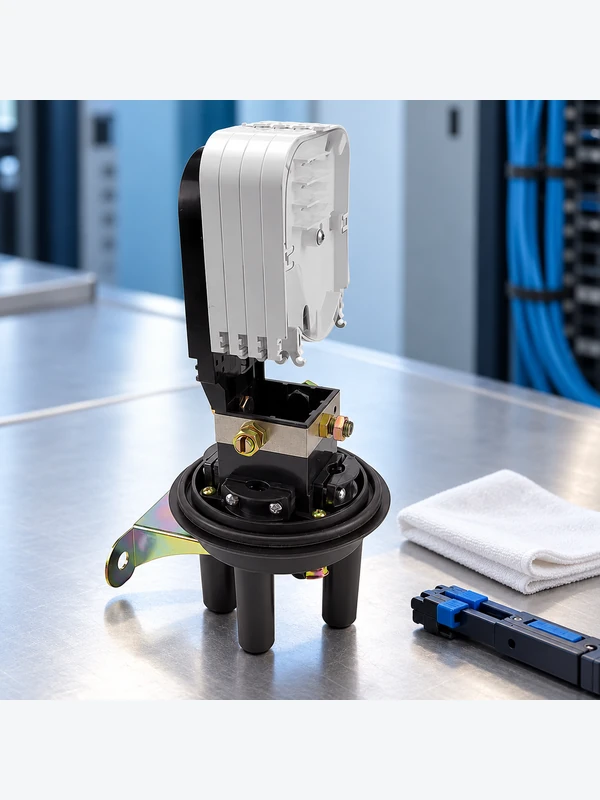
For access networks, the site’s FTTH guide, air-blown fiber guide و HDPE microduct pathway show why transmission media and physical route design must be planned together.
When do reach, equipment and pathway costs justify fiber?
Fiber optic transmission is often investigated for long or interference-prone routes, while copper transmission can remain practical for short links with existing plant or power needs. The useful comparison is the complete link: distance, interfaces, pathway, power, environment, test plan and upgrade horizon.
| Decision field | چه چیزی را مستند کنیم |
|---|---|
| Capacity and distance | Bandwidth, latency, route length, topology and expected upgrades. |
| محیط زیست | EMI, temperature, moisture, mechanical exposure and access. |
| چرخه عمر | Active equipment, power, connectors, tests, repairs and future expansion. |
For ducted fiber, include the site’s اتصالدهندههای میکروداکت and pathway test method in the design. A medium choice that ignores installation and maintenance is not a complete cost comparison.
Fiber is not automatically the better answer for every link. It is often investigated for longer reach, higher capacity, electromagnetic isolation and future optical upgrades. Copper may remain attractive for short runs, familiar termination and endpoint power through PoE. Eaton’s public comparison highlights bandwidth, distance and interference advantages for fiber, while the practical decision still includes transceivers, switches, power, pathway, testing and maintenance.
| عامل تصمیمگیری | Fiber often fits when… | Copper often fits when… |
|---|---|---|
| Reach and capacity | Distance or upgrade headroom dominates | The run is short and the equipment is copper-native |
| EMI and grounding | Electrical isolation reduces risk | Grounding and the environment are controlled |
| Power | Separate power is available | PoE simplifies endpoint installation |
| نگهداری | Optical cleaning and test capability exists | Field teams are equipped for copper termination and test |
Compare the complete link, not the cable alone. Fiber needs compatible transceivers, patching, cleaning and optical-loss testing; copper needs category, length, shielding, grounding and a valid certification test. Neither medium is immune to installation error. For an access route, pair the transmission decision with the FTTx planning discussion و handover checklist.
How should the comparison be turned into an installation plan?
Begin with a link schedule that names both endpoints, the service requirement, the route and any power requirement at the remote device. Compare complete options for that schedule. A fibre option includes its optical interfaces, cable pathway and endpoint power arrangements; a copper option includes the corresponding interfaces, cable and permitted installation conditions. Quoting only the cost of cable leaves out decisions that can change the practical choice.
برای یک fiber-versus-copper installation plan, separate the requirements that are mandatory from those that are preferences. Reach, the supported interface and the site’s electrical or environmental constraints may eliminate an option before price is compared. Where both options remain viable, compare installation access, testing resources, repair arrangements and future additions under the same assumptions. Avoid assigning an upgrade advantage to an option without checking the existing pathway and equipment.
Next, identify what the installer will hand over. Record endpoint and cable identifiers, the actual interfaces, pathway changes and the specified test results. Keep data-link testing separate from proof that a remote device has the required power arrangement. A functioning connection at handover is useful evidence, but it does not establish every future speed or equipment configuration.
Finally, document why the selected medium fits this link. That explanation should refer to the route, service and maintenance requirements rather than a universal claim that one medium is always superior. If the endpoints or service change later, the recorded assumptions show which parts of the decision need to be reviewed.
سوالات متداول
Is fiber always faster?
Performance depends on the interfaces and system design. Fiber is often chosen for distance and capacity, but compare the complete equipment set.
When can copper remain sensible?
Short, controlled links with existing infrastructure or a need for power delivery may still favour copper.
What should be tested after installation?
Use the project-approved continuity, loss, connector, splice and documentation checks for the chosen system.
Is fiber always lower latency than copper?
Not automatically. Medium, distance, transceivers, switching and processing all contribute to end-to-end latency, so compare the complete link design.
Why is fiber preferred in high-EMI environments?
The optical signal is not carried as electrical current in the fiber, so the cable is immune to electromagnetic interference; endpoint and power designs still require review.
Can fiber deliver power to cameras or access points?
Standard optical fiber does not provide PoE. The endpoint needs separate power or a purpose-designed composite cable and compliant power system.
What should a buyer compare besides bandwidth?
Compare reach, connector type, transceiver cost, pathway, power, EMI, redundancy, testing, repair skills and lifecycle upgrade plans.
How should an organization choose between fiber and copper?
Classify each link by distance, capacity, environment and endpoint needs, then apply the relevant cabling standard and equipment specifications.
مراجع
These sources support the 2026 optical-network context and the microduct pathway discussion. Product pages are manufacturer-specific references and should not be read as market-wide performance proof.
- CableLabs. OFC 2026: Broadband Trends. Industry research and standards-organization perspective.
- اتحادیه بینالمللی مخابرات. ITU-T L.108: عناصر کابل فیبر نوری برای کاربرد نصب بادکنکی در لولههای کوچک. انتشارات رسمی ITU.
- انمسپک. Telecom HDPE Microduct for Fiber-Optic Cable Laying. مرجع محصول تولیدکننده.
- IEC 60794-5-10:2014 – انتشار رسمی کابل مایکرودکت بیرونی.
- IEC 60794-5-20:2014 – انتشارات رسمی کابلکشی میکروداکت.
- ITU-T L.108 (08/2026) – official recommendation for blowing-cable characteristics and tests.
- Eaton fiber-versus-copper advantages overview
- Fiber Optic Center comparison of fiber and copper
خلاصه
Fiber and copper should be compared at link and lifecycle level. Distance, interference, interfaces, power, pathway work and maintenance can change the answer. Fiber is often a strong fit for longer or upgrade-sensitive routes, while copper can remain practical for short, established links. Define the route, components and acceptance tests before purchase so the technology choice can be reviewed by both designers and installers.



