
یک مهندس نگهداری ممکن است نیاز به جدا کردن یک اتصال هوایی سرعتی داشته باشد تا یک شیر را تعویض کند، لوله را دوباره قرار دهد، یا به یک قطعه ماشین دسترسی پیدا کند. روش سریع و جذاب این است که همان لوله را دوباره به همان اتصال وصل کنند و خط را دوباره به کار اندازند. این کار میتواند منطقی باشد وقتی که انتهای لوله، گیردار، حلقه مهره، خراش و شرایط عملیاتی همه هنوز در محدوده مشخص شده توسط سازنده قرار داشته باشند؛ اما اگر هر یک از این شرایط نامشخص باشد، این روش نادرست است. حتی یک خراش کوچک روی لوله یا یک حلقه O-ring آسیبدیده میتواند باعث ایجاد نشتی کُندی شود که ردیابی آن دشوار است و میتواند ترتیب عملکرد یک محرک را مختل کند. این راهنمای کاربردی، روشی قابل تکرار برای بازرسی و دوباره وصل کردن ارائه میدهد که... اتصال هوایی یکنقطهای بدون اینکه فرض کنیم هر اتصال قابل استفاده مجدد یا هر اتصال قابل دور ریختن است.
خلاصه: A اتصال هوایی یکنقطهای تنها پس از جدا کردن هوای سیستم، خارج کردن صحیح لوله و تأیید مسطحهای پیچش و نگهدارنده، میتوان آن را برای بازآمادگی حین نگهداری مجدداً استفاده کرد. هنگامی که بخش قدیمی وارد شده علامتدار شود، لوله را به صورت تمیز و گرد برش دهید؛ در صورت وجود آسیب، آلودگی، عدم تطابق خراشها یا حرکت، کلت، حلقه O، اتصال یا لوله را تعویض کنید. تصمیم نهایی باید مطابق جدول فشار و دما سازنده اتصال و موارد کنترل خطر مورد انتظار باشد. ایزو ۴۴۱۴. قبل از رهاسازی دستگاه، هویت قطعه، قطر بیرونی لوله، شکل خراش، نتیجه بازرسی و نتیجه آزمایش نشتی را ثبت کنید.
“دوبارهاستفاده” برای یک اتصال یکضربهای به چه معناست؟
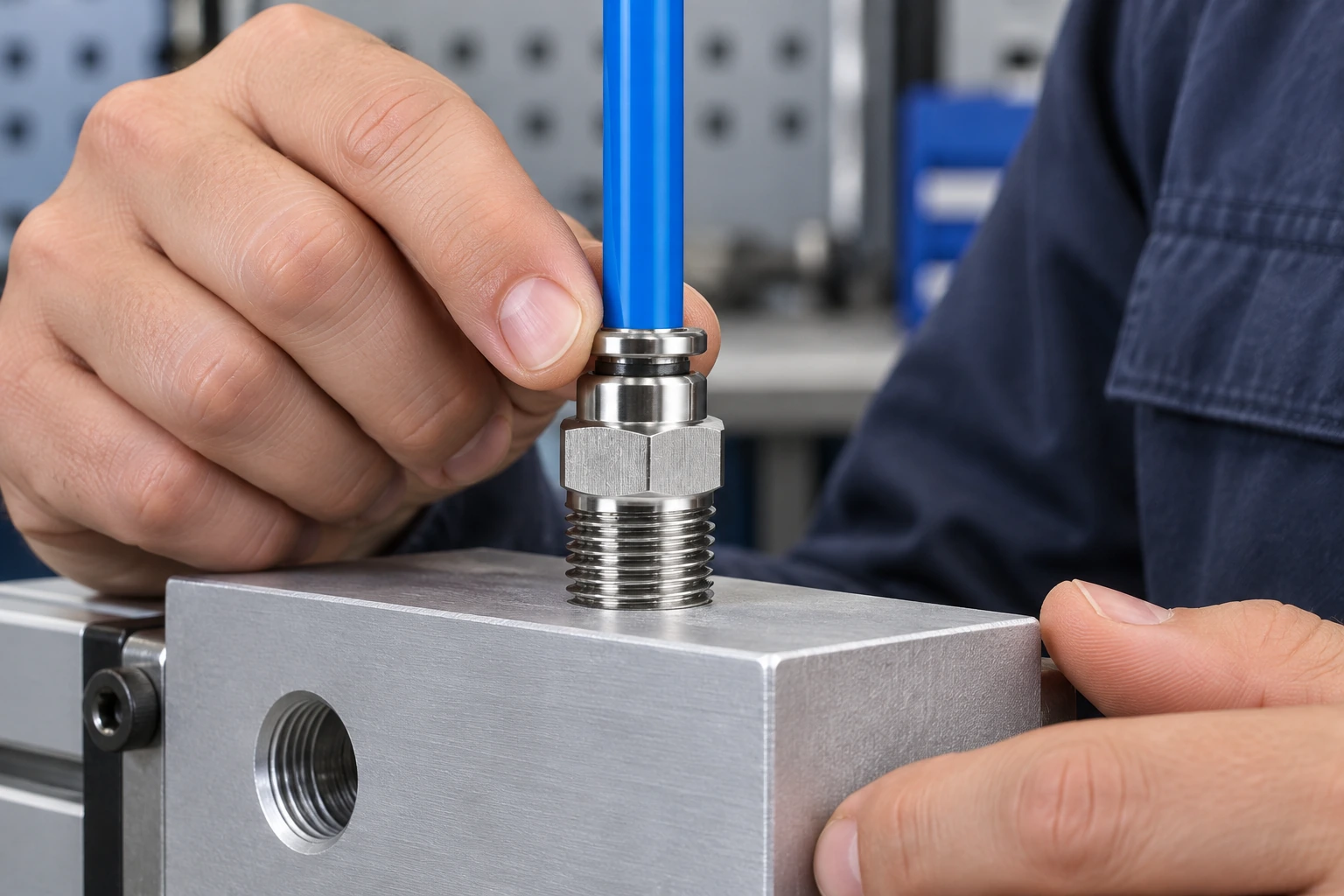
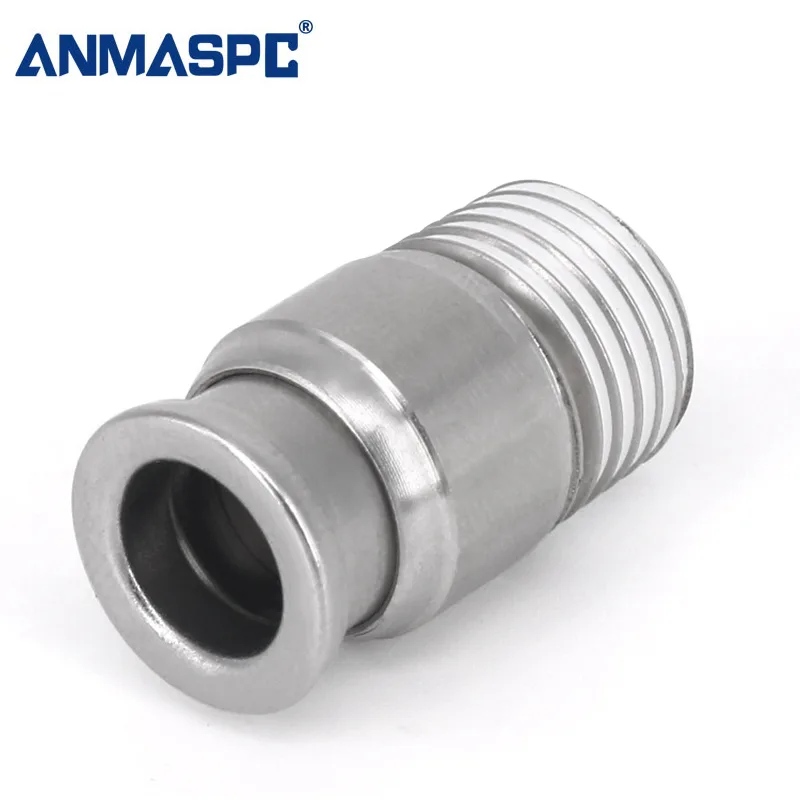
بازیافت فقط به معنای قرار دادن لوله در پورت برای بار دوم نیست. بلکه به این معناست که همان اتصال و یک لوله قابل استفاده پس از جدا کردن کنترلشده، مجدداً به هم متصل میشوند، به طوری که عناصر نگهدارنده و محکمکننده اتصال همچنان قادر به انجام وظایف تعیینشده خود هستند. یک اتصال فشاری معمولاً به این وابسته است که لوله کاملاً روی یک سپر داخلی قرار گیرد، در حالی که یک گیردار و روزنه لوله را گرفته باشد. طرف شیرخوردار دارای یک رابط محکمکننده جداگانه است؛ بنابراین، یک اتصال سالم از طرف لوله، نشاندهنده سلامت روزنه از طرف شیرخوردار نیست.
بنابراین، بازیافت یک تصمیم مبتنی بر وضعیت و سازگاری است، نه یک ویژگی جامع برای کل خانوادهٔ محصولات. یک اتصال به ظاهر تمیز همچنان میتواند دارای جوشکاری ناقص، یک انتهای لوله مشکوف، خراشهای روی گیرهها یا باقیماندهٔ مادهٔ پرکننده باشد که جلوی نشستن کامل را میگیرد. در عوض، اغلب میتوان یک اتصال را در حین کار نگه داشت، حتی اگر لوله بدون آسیب جدا شده باشد، تمام سطوح تمیز باشند و تولیدکننده اجازهٔ دوبارهوصل را تحت شرایط فشار، دما، مایع و حرکت واقعی صادر کرده باشد.
قبل از دوباره وصل کردن، چه قطعاتی باید از بازرسی عبور کنند؟
کار را با دستگاه در حالت ایمن شروع کنید. قبل از لمس اتصال، منبع هوای فشرده را قطع کرده، فشار ذخیرهشده را خلاص کنید و روش قفلبندی مکان را اعمال کنید. خارج کردن یک لوله زنده از یک پورت تحت فشار میتواند به طور غیرمنتظرهای آن را آزاد کرده و یک عملگر را حرکت دهد. پس از قطع سوئیچ، گرد و خاک بیرونی را بدون اینکه آلودگیها را به داخل پورت هل دهید، پاک کنید، سپس قطعات را با نور کافی بررسی کنید.
| نقطه بازرسی | در صورتی که برای بازاستفاده تحت کنترل قبول شود، قبول کنید وقتی | جایگزین کنید یا ارتقا دهید وقتی |
|---|---|---|
| قطر بیرونی و انتهای لوله | انتهای لوله مربع، گرد، صاف و بدون خراش عمیق است؛ قطر بیرونی آن با مشخصات اتصال مطابقت دارد. | لوله بیضیشکل، دارای جراحت، فشردهشده، سخت شده، آلوده یا خیلی کوتاه است و نمیتواند به مسدودکننده داخلی برسد. |
| کلت و دندانهای گرفتن | کلت به طور معمول حرکت میکند، به موقعیت اصلی خود باز میگردد و هیچ شکاف یا قسمتهای نگهدارنده منحنيشدهای مشاهده نمیشود. | گیره چسبیده است، شکسته است، ناقص است یا در حین بررسی کشش ملایم نمیتواند لوله را نگه دارد. |
| حلقه O یا مهره داخلی | سیاله موجود، تمیز، به درستی نصب شده و فاقد تراش، فشردهشدن یا خارجشدگی است. | هنگام خارج کردن، مهر و موم تراشیده شده، متورم، سفت شده، آلوده یا از جای خود جابجا شده است. |
| بدنه و گوشههای پیچدار | بدن دارای ترک یا تغییر شکل نیست؛ شکل خراش و اندازه منفذ با قطعه مرتبط همخوانی دارد. | سیمها عقبافتاده، خراشخورده، آسیبدیده، ناهمگون یا با بقایایی مسدود شدهاند که جلوی ورود کامل را میگیرد. |
| حرکت و محیط | لوله بدون بار جانبی، خم شدن تیز یا اصطکاک مکرر در دهانه حمل و نگهداری میشود. | ارتعاش، نیروی کشش، حرارت، مواد شیمیایی یا تغییرات مسیر از حدود کاربرد ثبتشده فراتر میروند. |
یک بازرسی بصری یک مرحلهی غربالگری است، نه مدرک عملکرد. اگر وصله در یک مدار مرتبط با ایمنی، در مکانی دسترسی سخت یا در خطی قرار دارد که نشت میتواند منجر به حرکت نامناسب شود، حتی اگر قطعه ظاهراً قابل قبول به نظر برسد، سیاست تعویض مکان را دنبال کنید. ISO 12100 چارچوبی برای ارزیابی خطر در ماشینآلات فراهم میکند؛ این استاندارد یک وصلهی عمومی را به یک قطعهی ایمنی تأییدشده تبدیل نمیکند.
لوله باید چگونه خارج و دوباره نصب شود؟
با حذف فشار، گردنۀ رهاکننده را به سمت بدنه اتصال فشار دهید و همزمان لوله را مستقیماً بیرون کشید. لوله را نسبت به مهره چرخان ندهید، آن را به طرفین حرکت ندهید و روی قسمت منحنی آن نیز فشار نیاورید. علامتگذاری عمق قبلی ورود لوله پیش از خروج میتواند کمک کند تا مشخص شود که لوله کاملاً جایگیر شده بود یا خیر، اما این علامت تنها یک ابزار کمکی است؛ با این حال، همچنان باید لوله را بررسی کرد و در صورت آسیب دیدن قسمت علامتگذاریشده، آن را کوتاهتر کرد.
از یک قطّاع لوله تیز برای ایجاد یک برش مربع استفاده کنید. از شیب ناشی از چاقوی کاربردی، لبه فشردهشده یا خراشهایی که ممکن است به پیمانه آسیب برساند، جلوگیری کنید. ذرات باقیمانده را حذف و لوله را با یک مواد تمیز و سازگار پاک کنید. لوله را مستقیماً از داخل کلت عبور دهید تا به محدوده داخلی برسد، سپس به آرامی کمی به عقب کشیده و مطمئن شوید که کلت آن را گرفته است. از گردنبند رهاکننده به عنوان جایگزین برای آزمون نگهداری استفاده نکنید و هنگام بارگذاری پیمانه، لوله را چرخانده نشود.
پس از بازاتصال، لوله را طوری قرار دهید که اتصال تحت خمشدن یا کشش قرار نگیرد. شعاع خم و فاصله پشتیبانها را در محدوده دستورالعملهای سازنده لوله نگهدارید. اتصالی که در حالت استراحت محکم است، ممکن است در معرض ارتعاش آزاد شود، اگر لوله از جهت جانبی بارگذاری شود یا اگر قطر خارجی لوله خارج از محدوده تolerance تعیینشده باشد.
چه زمانی جایگزینی از بازاستفاده امنتر است؟
جایگزینی تصمیم بهتری است وقتی که با بازرسی نمیتوان مسیر تمیز ایجاد شده برای پرکنندگی و نگهداری را تأیید کرد. این مرز اصلی برای one-touch fitting reuse: replace the tube end or the complete tube when damage extends beyond the section that can be removed while preserving the required length. Replace a seal, collet, or fitting when the component is not available as an approved service part, when its identity is uncertain, or when damage is visible. Mixing an unverified seal material with a different air-line fluid or cleaning agent can create a compatibility problem even if the dimensions look right.
| شرایط مشاهده شده | Practical action | Reason to document it |
|---|---|---|
| Clean tube, undamaged collet and seal, verified matching part | Reconnect, perform a controlled leak and retention check, and record the result. | Shows that the reconnection was deliberate and traceable. |
| Tube has a short marked section or light surface scoring | Cut back to undamaged material if length and routing remain acceptable; otherwise install new tubing. | Prevents a known damaged section from sitting in the seal. |
| Seal, collet, or body shows damage or contamination | Replace with a documented compatible service part or replace the complete fitting. | Condition cannot be made reliable by additional tightening. |
| Thread form, port size, or pressure/temperature limit is uncertain | Pause the job and verify the drawing, catalogue, or supplier documentation before assembly. | Prevents a superficially similar part from becoming an incompatible connection. |
| Persistent leak or tube movement after correct seating | Depressurize, remove the connection, find the cause, and replace affected parts rather than repeatedly tightening. | Repeated adjustment can worsen seal or thread damage and hides the original failure mode. |
How do pressure, temperature, vibration, and flow affect the decision?
Use the fitting and tubing manufacturer’s published working-pressure and temperature limits for the exact material, size, and configuration. A catalogue value is not a blanket approval for every assembly: temperature, pulsation, vacuum, chemical exposure, and installation geometry can change the allowable range. Do not infer a pressure rating from the fitting’s appearance, thread size, or a similar model.
Vibration deserves a separate check. Support the tube near the fitting, prevent the tube from rubbing against an edge, and inspect for witness marks after the machine has completed its normal motion. In a circuit with frequent cycling, consider whether a new fitting and a fresh tube end provide a more controlled maintenance baseline than a marginal reconnection. Flow loss is also a system issue: a partially seated tube, a reduced bore, or debris in the port can restrict airflow even when no audible leak is present.
For broader procurement and component matching, the site’s قطعات پنوماتیک category and دایرکتوری محصولات are useful starting points. The راهنمای نگهداری اتصالات پنوماتیک provides related inspection context, while the article on نوعهای شیر الکترومکانیکی helps when the fitting is being replaced as part of a valve service job.
What should a maintenance record contain?
A short pneumatic fitting maintenance record makes the next service decision faster. Capture the fitting family or part number, tube material and outside diameter, thread form, reason for disconnection, condition of the tube end and sealing parts, and any replacement made. Note the pressure and temperature limits consulted, the leak-check method used, and whether the tube moved during the retention check. If the connection is part of a validated machine process, attach the relevant drawing or bill-of-materials reference rather than relying on a photograph alone.
سوالات متداول
Why does the one touch pneumatic fitting leak even after the fitting has been tightened?
Tightening the threaded side cannot correct a scratched tube, damaged O-ring, incomplete insertion, wrong tube OD, or a mismatched thread. Depressurize the line, inspect both interfaces, cut back to clean tubing when appropriate, and verify the manufacturer’s assembly method. Replace the affected part if the sealing surface remains uncertain.
What working pressure and temperature should the one touch pneumatic fitting support?
Use the published limits for the exact fitting, tube, seal material, size, and configuration. The safe range can be narrower when temperature, pulsation, vacuum, chemicals, or dynamic loads are present. Do not substitute a rating from a visually similar model; record the source used for the maintenance decision.
How do you install the one touch pneumatic fitting without cutting or scratching the tube?
Isolate pressure, cut the tube square with a suitable cutter, remove burrs, and insert it straight to the internal stop. Avoid twisting, levering, or forcing a damaged end through the seal. Route the tube without side load, then perform a gentle retention check and a controlled leak check.
Can the one touch pneumatic fitting be disconnected and reused in a maintenance job?
It can be considered for reuse when the fitting, collet, seal, thread, and tube all pass inspection and the maker’s documentation permits the application. Reuse is not appropriate when any part is damaged, contaminated, unidentified, or outside its pressure, temperature, chemical, or motion limits. In a high-consequence circuit, follow the site’s replacement policy.
Which sealing method is best for the threaded side of a one touch pneumatic fitting?
Follow the fitting maker’s instructions for the specified thread form and sealant. Apply only a compatible sealant in the correct location and keep it out of the airflow path; excessive tape or compound can obstruct a port or prevent full thread engagement. Do not assume that a method suitable for one BSP, BSPT, or NPT configuration is suitable for another.
How do you measure the one touch pneumatic fitting before ordering replacement parts?
Identify the tube outside diameter, threaded port size and form, fitting geometry, body material, seal material, and any visible series or part marking. Compare those details with the manufacturer’s drawing or catalogue, not only with a photograph. Check the available length, orientation, pressure and temperature limits, and the mating component before ordering.
مراجع
- ISO 4414:2010, Pneumatic fluid power — General rules and safety requirements for systems and their components.
- ISO 12100:2010, Safety of machinery — General principles for design — Risk assessment and risk reduction.
- دفتر فناوریهای صنعتی وزارت انرژی ایالات متحده، منابع مربوط به سیستمهای هوای فشرده.
نتیجه گیری
Reuse a one-touch pneumatic fitting only when its condition and application are documented, not merely because the parts can be pushed together again. First isolate and vent the circuit. Next confirm the tube OD, square-cut a clean end, inspect the collet, O-ring, body, and threads, and compare the assembly with the maker’s pressure, temperature, fluid, and motion limits. If a sealing surface, retention feature, or part identity is uncertain, replacement is the more controlled maintenance choice. Finish with a gentle retention check, a leak check at the intended operating condition, and a record that another technician can follow. Oulu / ANMASPC’s pneumatic product range can be reviewed alongside the required drawings and application data when a documented replacement is needed.



