
یک مسیر کابل میتواند از آزمون فوایش عبور کند، ولی همچنان راه ورود آب به ساختمان را باز بگذارد. برای پیمانکارانی که اتصالات ضدآب انتخاب میکنند، سوال مهم فقط این نیست که آیا اتصال روی لوله محکم شده است یا خیر؛ بلکه این است که آیا جلوزن تأمینشده با کابل نصبشده مطابقت دارد، وضعیت مونتاژ آن درست است، و اینکه این اتصال دقیقاً چه مسیر نفوذی را بسته است. فرض کردن اینکه هر اتصال ضدآب پس از فوایش نیاز به فعالسازی دارد، میتواند بهاندازهٔ تلقی یک مقدار فشار فوایش بهعنوان معیار محکمبودن کابل، گمراهکننده باشد. این راهنمای عملی این تصمیمات را از هم جدا میکند تا مهندسان و تیمهای خرید بتوانند ترکیب مناسب را مشخص کنند، از بازگشایی غیرضروری جلوگیری کنند، و مدارک لازم برای مسیر تکمیلشده را تعیین کنند.
پاسخ سریع این است که یک اتصال میکروداکت مسدودکننده آب must be selected and accepted in its final installed configuration. An openable rotating-ring design may remain open for blowing and then be closed around the cable; passive or preassembled waterblocks require their own instructions. The cited Oulu family publishes 10 bar blowing pressure and cable sealing up to 0.3 bar, which describe different duties, not interchangeable test limits. Confirm the exact duct and cable dimensions, model-specific procedure, and required water or gas qualification before ordering. A sealed cable annulus does not automatically seal a wall penetration.
آیا باید هر سیلبند آبی پس از کابلکشی فشرده فعال شود؟
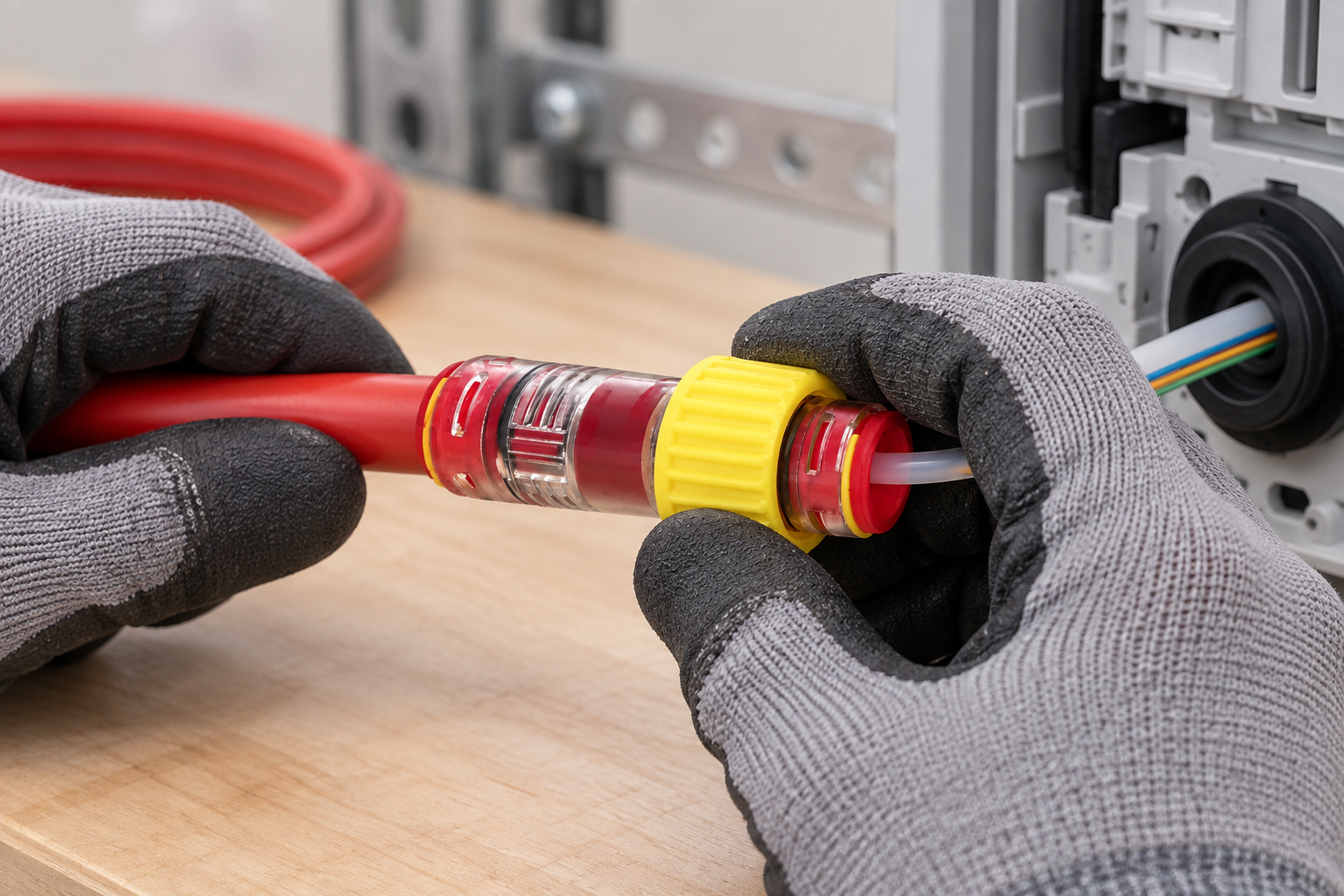
نه. زمانبندی فعالسازی یک دستورالعمل ویژه طراحی است. اولو خانواده محصولات ضد آب بلوک گاز هوایی حالت باز برای فرایند باد کردن کابل را توضیح میدهد، که بعدها با چرخش حلقه به منظور محکم کردن ادامه پیدا میکند. بدنه شفاف پلیکربناتی و دو قفل جداگانهای که به صورت جداگانه سفارش داده میشوند، از ویژگیهای مشترک آن خانواده هستند. این ویژگیها ترتیب استفاده جامعی را برای هر محصولی که به عنوان یک واشر ضد آب عرضه میشود تعیین نمیکنند.
سیالهای غیرفعال و طراحیهای پیشمونتاژ شده ممکن است وضعیت قابل انتخاب باز و بسته نداشته باشند. جایگزین کردن توالی حلقه چرخشی، دستورالعمل نصب کابل مدل تحویل شده را دریافت کنید. هیچگونه تنظیم فشار وارد شده، گشتاور یا تعداد دور حلقه بینالمللی ابداع نکنید. در مورد طرحهای قابل بازکردن، مشخص کنید که قبل از بسته شدن، چه کسی موقعیت نهایی کابل، وضعیت پوشش کابل و اتمام حرکت برنامهریزی شده را تأیید میکند.
یک کانال خالی مشکل متفاوتی دارد: به یک بستهبندی مناسب نیاز دارد، نه یک پرچم سیم. مقایسه اند-استاپ در برابر گاز-بلاک کمک میکند تا قبل از اینکه برنامه خرید آنها را با هم ترکیب کند، بین آن توابع تمایز قائل شویم.
کدام ابعاد تعیینکنندهٔ محکم بودن اتصال هستند؟
قطر بیرونی لوله کانال، رابط لوله کانال را کنترل میکند؛ قطر بیرونی کابل، رابط را کنترل میکند. سیم-حلقه مهرهای. هر دو را به صورت مستقل بررسی کنید. قطر داخلی لوله و ساختار دیواره نیز برای فاصله کابل و سازگاری مسیر اهمیت دارند. تنها یک اندازه اسمی لوله، محدوده مناسب پیچبست کابل را مشخص نمیکند.
قطر خارجی و داخلی سنجششده لوله را، قطر خارجی حداقل و حداکثر پوشش سازنده کابل، و کد دقیق اتصال را مشخص کنید. نمونهها را برای چرخش، آسیب و آلودگی بررسی کنید، سپس نقشه اندازهدار و تأیید دامنه مهره را دریافت کنید. کابلی که در نزدیکی مرز یک دامنه منتشرشده قرار دارد، به دقت بیشتری به تنظیم واقعی خود نیاز دارد، نه اینکه تصمیم خرید فقط براساس قطر اسمی آن گرفته شود.
به عنوان یک مثال نصب با ارجاع، دستورالعملهای کانکتور FCST هشدار میدهد که لوله ممکن است بدون رسیدن به موقعیت کاملاً قرارگیری خود گرفته شود، که منجر به نشت میشود. آنها توصیه میکنند از لولههای تمیز، گرد و بدون آسیب، بریدن زاویهدار و حذف لبههای باریک استفاده شود؛ بدنه شفاف نیز به بررسی درج کمک میکند. دستورالعملهای ارائه شده را فقط برای محصولات Oulu استفاده کنید و عملکرد سازنده دیگری را قابل جایگزینی ندانید. منبع را ببینید. [1].
خدمهها چگونه میتوانند یک نشتی سربند را از یک مسیر دیگر برای عبور آب تشخیص دهند؟
آب در نزدیکی یک اتصال بهخودی خود مدرکی برای این نیست که آن اتصال نقطه ورود باشد. مسیر را از حجرهها و کانالها تا محفظه یا ساختمان دنبال کنید و تسربهای موجود در جوش کانال، اطراف کابل، اطراف سوراخ در دیوار و از طریق دیگر بازشوها را جدا کنید. قبل از تعویض قطعات، نقاط اتصال را جدا کنید.
| نگاهداشتن | مشکل احتمالی | چک بعدی مفید |
|---|---|---|
| لوله نگه داشته شده، اما جوشکاری هنوز نشت دارد. | وارد کردن ناقص یا آسیب دیدن انتهای لوله | فشار را کاهش دهید؛ نشستگی، برش و ابعاد را بررسی کنید. |
| نشست بر روی سطح کابل ادامه مییابد. | محدوده جلگ نادرست، خسارت به پوسته یا وضعیت نامناسب جلگ | قطر بیرونی کابل و مجموعه را با نقشه دقیق مقایسه کنید. |
| آب از کنار لوله در دیوار وارد میشود. | جزئیات نفوذ جداگانه کامل نیست | سیستم محکمسازی ورودی ساختمان را بررسی کنید |
| پس از نگهداری کابل، آب ظاهر میشود. | رویهم رفتههای مختل یا بازاستفاده از مهرههای غیرمجاز | کلیه مونتاژ نهایی را بازرسی و دوباره آزمایش کنید. |
| Fitting exterior is wet but source is uncertain | Migration elsewhere along the route | Trace and isolate upstream and adjacent pathways |
A locking clip reduces accidental release; it cannot correct wrong dimensions, a cracked body or an unsuitable cable seal. Likewise, a cover provides only the protection established for its own design. Neither feature is evidence that a wall entry is watertight or that a connector satisfies firestop or hazardous-gas duties.
What should the final assembly hold point verify?
Use a final assembly hold point before accepting the route. Confirm the exact parts and cable, full duct insertion, required clips, support, jacket condition and documented seal state. For the cited rotating-ring family, verify that the ring has been closed according to its instructions. For other designs, verify their specified installed condition instead.
Keep two acceptance records separate. The component record concerns duct and cable interfaces. The migration-path record checks route continuity, wall penetration and adjacent entry points. A successful component test cannot close an unrelated opening or qualify a building-entry system.
Gas and liquid qualification also need separate definitions. Specify the test medium, pressure or water head, exposure duration, temperature, assembly configuration and acceptance criterion. An air-leak result does not establish every liquid-ingress claim, and no visible water during one exposure does not establish resistance to a particular gas. Use the maker’s approved procedure and route limits; do not create a field test from a marketing number.
The published 10 bar blowing and up-to-0.3 bar cable-sealing figures belong to the cited Oulu family and different states. Do not test its occupied cable seal at blowing pressure, or transfer either value to another family or a specific code without confirmation. Record part and lot, dimensions, seal state, medium, instrument, procedure, result and corrective action as practical traceability.
What do standards and maintenance instructions actually establish?
EN 50411-2-8:2009 covers initial requirements for installed blown-fibre microduct connectors, including liquid sealing around fibre and closing open ducts. Its catalogue scope describes protected installations and excludes connectors intended for direct sunlight. It is not a certificate for any offered model or proof of service life [2]. IEC 60794-5:2014 covers the broader blowable microduct cabling system, not a substitute connector qualification [3].
Where sunlight matters, request evidence for the exact material and exposed configuration. ISO 4892-1:2024 provides guidance on laboratory light-exposure methods and interpretation; it does not provide a fixed accelerated-hours-to-field-years conversion [4].
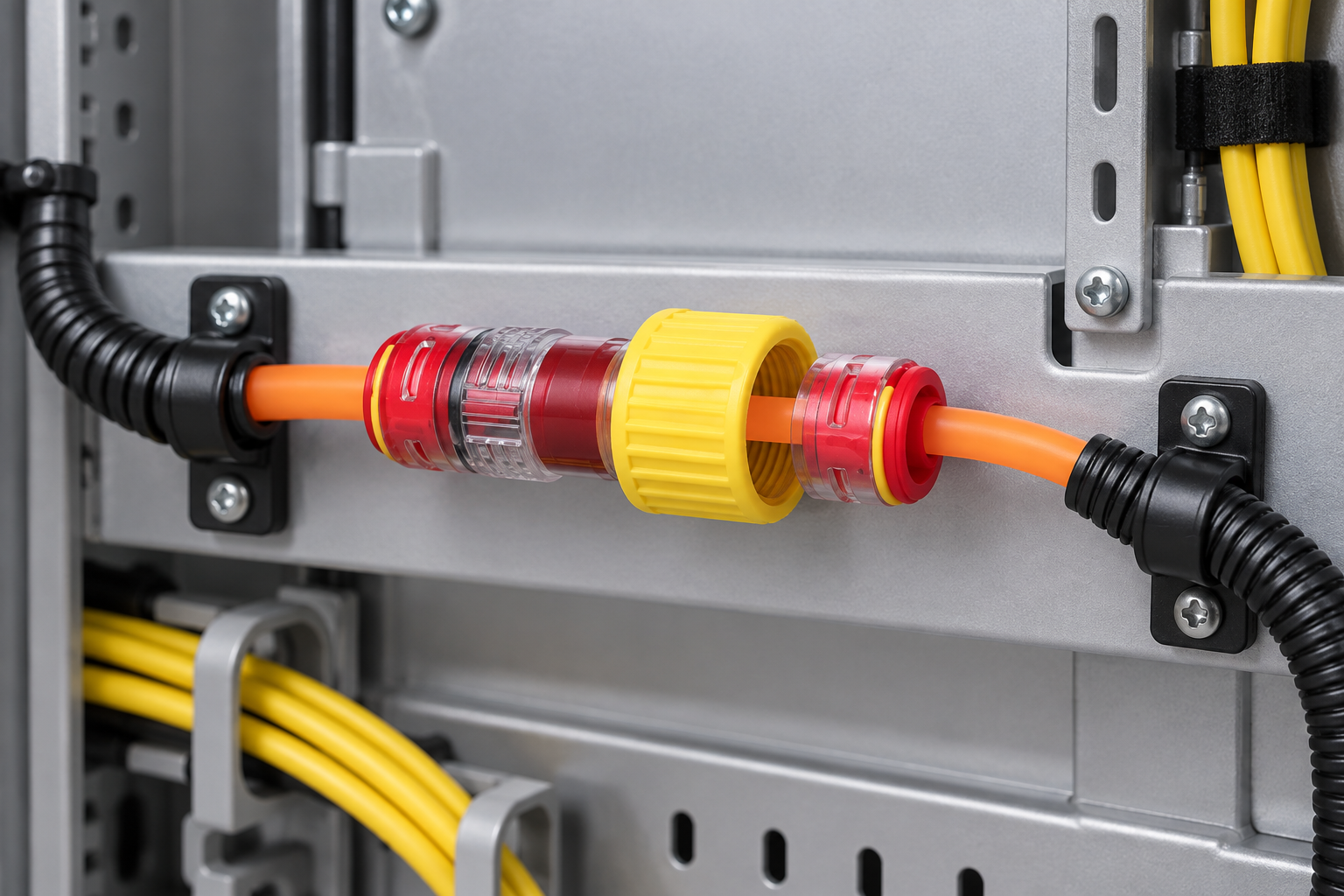
Before reopening, isolate and depressurize the route, then follow the exact release sequence. Inspect sealing surfaces, cable jacket and body for damage or contamination. Reuse requires explicit maker approval, inspection and retesting, not an assumption that a seal which worked once will work again. For vacant branches, select the appropriate درپوش میکروداکت rather than improvising an occupied-cable configuration.
What else should buyers ask about water-block connectors?
What outdoor temperature and UV conditions should the connector handle?
Confirm installation and operating limits for the actual exposure. An unqualified outdoor label or a standards reference is insufficient evidence for direct sunlight.
کانکتور بلوک آب-گاز هر چند وقت یکبار باید بازرسی شود؟
Set a risk-based interval for the route. Include commissioning, cable maintenance and events such as flooding or ground movement; no universal interval is established here.
What contaminants does a water-block connector block?
Only claim performance supported for its interfaces and tested conditions. Water sealing does not establish resistance to every gas, chemical or particle exposure.
Should the gas or water seal be activated before fibre installation?
The cited rotating-ring family opens for blowing and closes afterward. Passive or preassembled designs require their own procedure; do not impose that sequence universally.
How is a water-block connector installed at a building entry?
Verify dimensions, prepare and seat the duct, and complete the cable-seal procedure. Accept the connector separately from the wall-entry and any required fire-sealing system.
What pressure rating suits an outside-plant network?
Confirm each duty and limit for the exact configuration. Blowing, occupied-cable sealing, proof testing and route acceptance are different requirements.
Can an empty-duct test qualify the seal around an installed cable?
No. Adding a cable introduces a different interface. Obtain evidence or an approved test for the occupied configuration and its actual cable diameter.
Can the connector be reused after cable replacement?
Only with exact maker approval and acceptable condition. Replace damaged or single-use parts and retest the reassembled connection.
Which primary sources support these checks?
- FCST: Installation Instruction For Microduct Connector, 22 August 2025
- NEN: EN 50411-2-8:2009 connector scope
- IEC: IEC 60794-5:2014 microduct cabling specification
- ISO: ISO 4892-1:2024 laboratory light-exposure guidance
How should the final selection decision be made?
The reliable decision starts with the path that needs closing, not the label on the fitting. Identify whether the duct is vacant or occupied, verify duct and cable dimensions, and confirm the supplied design’s assembly sequence. Then separate its blowing duty from its installed sealing duty and require evidence appropriate to water, gas or both. Do not skip the final assembly hold point because the cable has passed through successfully, and do not accept a connector test as proof that the wall penetration is complete. That distinction prevents a local repair from leaving the original migration path open. Oulu / ANMASPC’s microduct product catalogue can support initial selection; contact the supplier with the route conditions and dimensions for exact-code documentation before approval.



