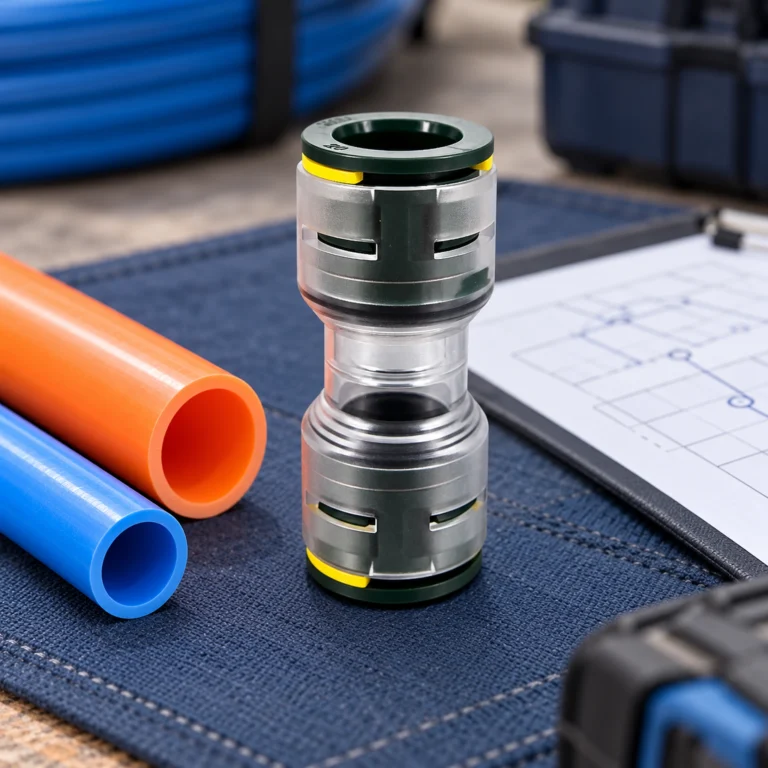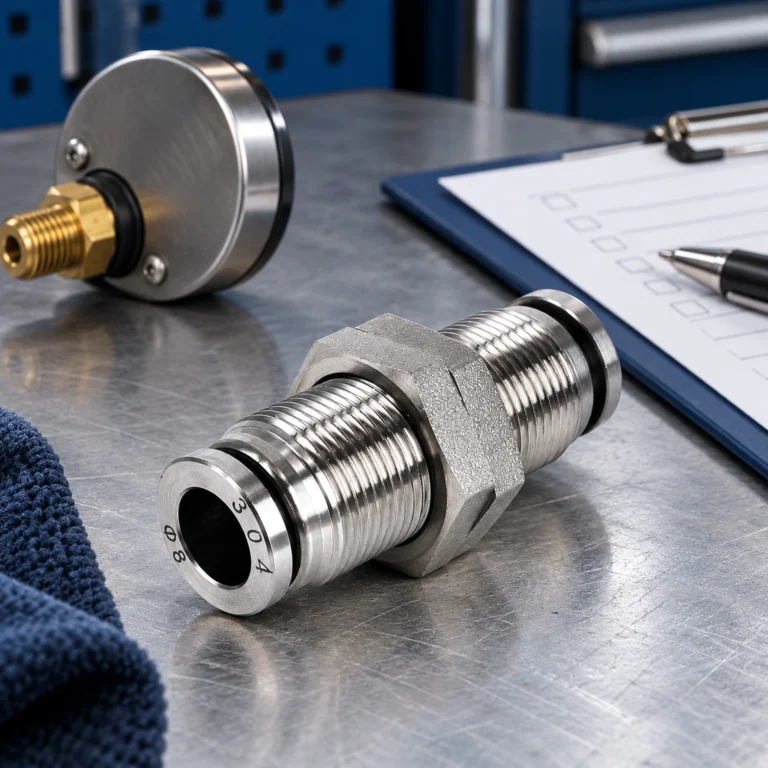
Stainless steel joints are mainly used to connect various pipes into pipes. With the rapid development of economic construction of stainless steel joints, stainless steel joints have been widely used. Through the analysis of the corrosion resistance of the passivation layer on the surface of stainless steel, combined with the application of advanced production technology and equipment, the production meets the needs of production and life. High-quality stainless steel fixtures fill the domestic gap.
Stainless steel fittings are a type of tubing. It is made of stainless steel, so it is called stainless steel pipe fittings. Including: stainless steel elbow, stainless steel tee, stainless steel cross, stainless steel reducer, stainless steel cap, etc. Pipes can be divided into socket type stainless steel pipe fittings, threaded stainless steel pipe fittings, flange type stainless steel pipe fittings and welded stainless steel pipe fittings according to the connection method. Stainless steel elbows are used at the bend of the pipeline; flanges are used to connect the part of the pipeline and connect to the end of the pipeline. The junction of the three pipes adopts a stainless steel tee pipe; the junction of the four pipes adopts a stainless steel tee pipe; the stainless steel reducing pipe is used to connect two pipes of different diameters.
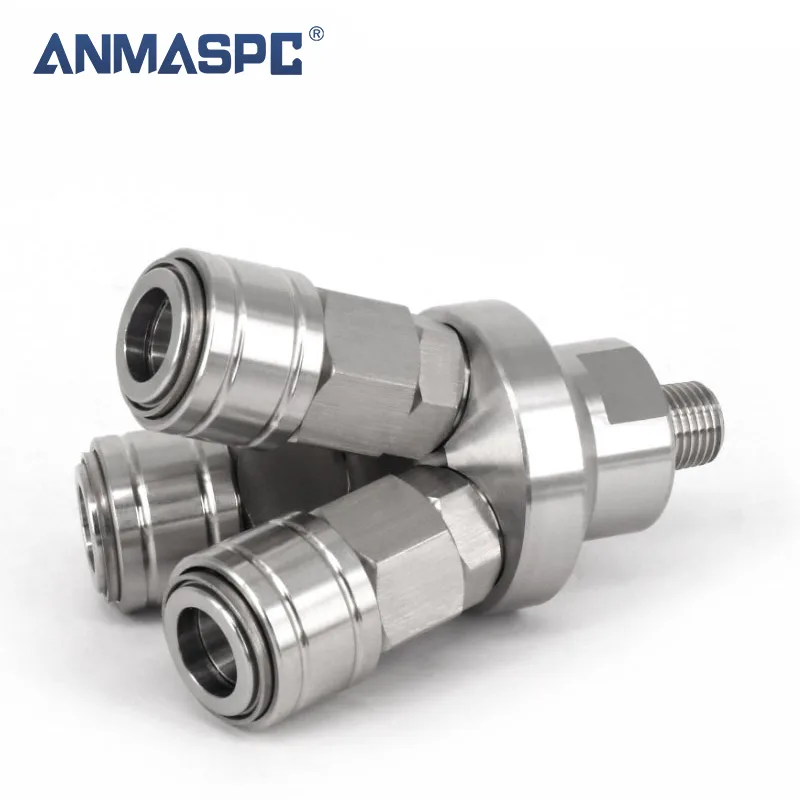
Stainless steel joints have been widely used in various fields of national economic construction, such as pharmaceuticals, food, beer, drinking water, biotechnology, chemical industry, air purification, aviation, nuclear industry, etc. It has a great impact on people’s production and life.
Stainless steel fittings have great advantages in terms of corrosion resistance. The petrochemical, aerospace, and nuclear power industries are more recommended to use stainless steel.
Why can stainless steel still corrode in service?
The essence of stainless steel not rusting is that when stainless steel is exposed to gas, a passivation film is rapidly formed on the surface, thereby preventing further oxidation. This passivation film has strong acid resistance. Corrosion resistance. But it also rusts in some special environments, such as: humid environment and its salty sea fog.
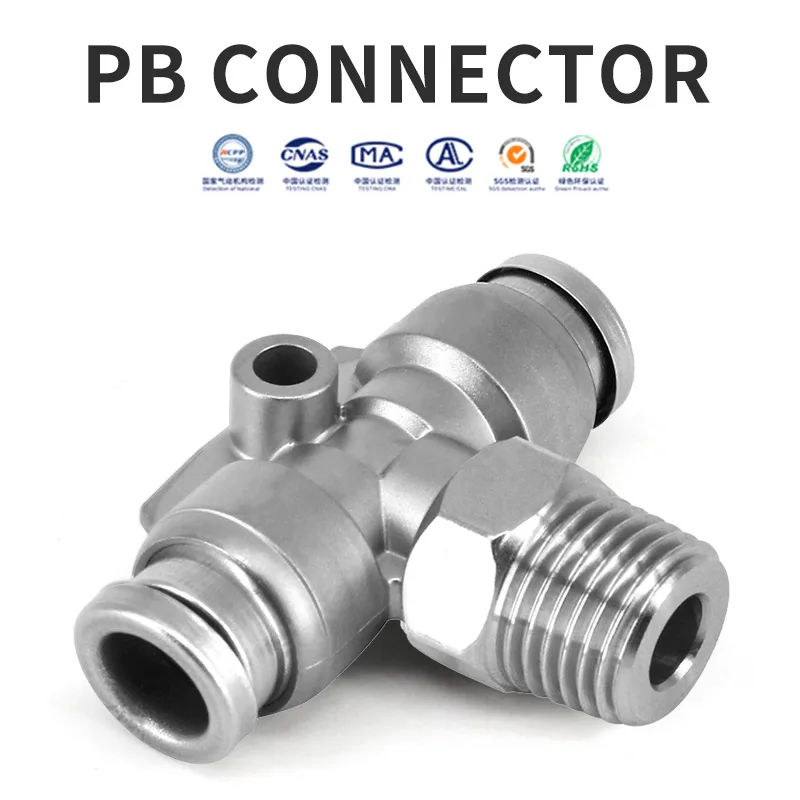
What should be checked when comparing 304, 316 and 316L?
304 stainless steel is a common material also known in the industry as 18/8 stainless steel. It has the characteristics of good processing performance and strong toughness, and is generally suitable for industrial and furniture decoration fields.
316 and 316L are distinct grade designations. Confirm the applicable material specification and supplied product condition instead of inferring composition or strength from a generic fitting description.
316L identifies a low-carbon grade, but the selection for a welded assembly still requires the applicable material specification and welding requirements. The grade name alone does not prove suitability for every corrosive environment.
What does the surface appearance tell a buyer?
Compared to carbon steel joints, stainless steel joints can be ground and polished to obtain a bright, glossy appearance, but carbon steel needs to be quickly coated with a clear coating or paint after polishing, otherwise carbon steel will eventually lose its luster and eventually rust, Stainless steel is unnecessary.
How should stainless grade, exposure and sealing method be matched?
A stainless-steel joint should be specified by grade and medium, dimensions and the seal material. “Stainless” alone does not establish corrosion resistance, pressure suitability or compatibility with a dissimilar mating metal.
| Question | Dokaze zatražiti |
|---|---|
| What is the environment? | Chlorides, chemicals, temperature, cleaning and crevice exposure. |
| How does it connect? | Thread form, tube OD/wall, weld procedure, seal and make-up method. |
| How is it accepted? | Material traceability, dimensional inspection and approved leak or pressure test. |
Use the site’s pneumatic parts only after the joint, tube and seal are confirmed as one system. A polished surface is not proof of grade.
“Stainless” is a material family, not a complete service specification. BoshartU and other current technical comparisons commonly distinguish 304 for general environments from 316 when chloride or marine exposure is a major concern, but the correct choice still depends on concentration, temperature, crevices, cleaning and the mating metal. A polished surface cannot prove grade, corrosion resistance or pressure suitability.
| Procurement field | Question | Evidence |
|---|---|---|
| Grade | Is the named grade traceable to the lot? | Material designation and supplier record |
| Interface | Do thread, tube OD, seal and mating metal match? | Drawing and assembly method |
| Životna sredina | Are chlorides, chemicals, heat or washdown present? | Process and exposure description |
| Acceptance | How will leakage and damage be checked? | Inspection and test record |
Galvanic corrosion is another boundary. Dissimilar metals in electrical contact with an electrolyte can create a corrosion cell, so a stainless fitting joined to brass, carbon steel or another alloy may need a compatibility and isolation review. Thread lubricant, surface damage and overtightening also matter. Use the selected supplier’s procedure rather than a generic torque copied from another thread, seal or lubrication condition.
For a pneumatic application, match the joint to the pneumatic parts schedule only after medium, pressure, temperature and seal are fixed. The broader product range is a catalogue, not a substitute for a material traceability record.
What should be inspected after a stainless-steel joint is assembled?
Inspect the sealing face, thread condition, body markings, scratches, galling and any contact with a dissimilar metal. Confirm that the seal is the specified material and that the joint has not been forced beyond the supplier procedure. Where chlorides or cleaning chemicals are present, document the exposure and the planned inspection interval. A material certificate and a polished finish are useful evidence, but neither proves that the installed assembly will resist every environment. Link the inspection result to the lot and drawing revision.
At handover, note whether the joint is exposed, insulated, buried or subject to washdown. That context determines what a later inspector should look for. If the service changes from dry air to a chemical or water-based medium, reopen the compatibility review instead of assuming the original grade remains suitable. Include the mating component, seal replacement interval and cleaning method in the record; these details often explain a later leak more clearly than the material name alone. Record who performed the inspection and which acceptance criterion was applied, including the inspection date.
What must be reviewed before a stainless joint is substituted?
Treat a replacement as an assembly review rather than a material-name match. Record the existing fitting code, mating component, tube or thread dimensions, sealing method and exposure. A proposed joint may use the same nominal stainless grade while requiring a different seal, preparation method or installation clearance. Confirm those details before removing a part that will be needed for comparison.
The stainless-joint replacement specification should connect the drawing revision and material traceability with the actual medium, temperature, pressure and cleaning conditions. Keep supplier documents with the purchase order, and identify which document supports each requirement. A material certificate addresses the material within its stated scope; it does not verify the mating thread, a separate seal or the quality of the installed joint. Equally, a polished finish is an appearance observation rather than proof of the alloy designation.
Where the service or cleaning regime has changed, review the joint and mating metals together. Record the maintenance access and the inspection method so that future checks look at the same locations and conditions. After assembly, retain the result of the specified inspection and leak or pressure test, including the acceptance criterion. If corrosion or leakage returns, compare the new finding with this baseline before changing the grade again. That sequence helps distinguish an environmental problem from an interface or installation problem.
Često postavljana pitanja
Is 316 always required outdoors?
No. Outdoor exposure varies widely. Evaluate salt, chemicals, cleaning, temperature and the joint’s actual location before choosing a grade.
Can a generic torque value be used?
No. Thread, lubrication, seal and material pairing change the required make-up. Follow the selected supplier’s procedure.
What should a buyer keep with the joint order?
Keep the grade and traceability, drawing, thread or tube dimensions, seal material, service limits and inspection requirement.
What is galvanic corrosion?
It is accelerated corrosion that can occur when dissimilar metals are electrically connected in an electrolyte. Material pairing and isolation should be reviewed.
How can a buyer verify stainless grade?
Request the material designation and traceability documents, then compare them with the drawing and purchase specification.
Do threads determine compatibility?
Yes. Thread form, size, tolerance, seal method and mating material all need to match; nominal diameter alone is insufficient.
When should a joint be replaced?
Replace it when threads, sealing faces, body or protective finish are damaged, or when inspection finds corrosion outside the approved limit.
What should a stainless-joint RFQ include?
Include grade, dimensions, thread, medium, pressure, temperature, environment, seal material, finish, quantity and required certificates.
Can a material certificate prove the whole assembly?
No. It identifies the material evidence covered by the document. Interface fit, seal, installation and the completed test need separate records.
Reference
- ISO 4414:2010 – official pneumatic system safety reference.
- ISO 14743:2020 – official scope for a different thermoplastic connector family; it is not a universal stainless-joint rating.
- Parker Technical Tubing and Hose – manufacturer compatibility context.
- BoshartU 304 versus 316 fitting comparison
- Viega galvanic-corrosion technical note
Summary
Stainless-steel joint selection is a material, interface and environment decision. Confirm grade, dimensions, medium, temperature, pressure, seal and mating metals before purchase. Then follow the exact assembly method and document the acceptance test. This avoids assuming that every stainless joint has the same corrosion performance or that a rule for one connector family applies to another.