When a maintenance engineer in Oulu encountered a leaking utility line during a plant restart, the team tightened a new steel pipe coupling and saw the drip become a spray. It looked like a defective part; the review found an unrecorded outside-diameter change, an unsuitable gasket, and no pressure-test hold point. The root cause was specification, not simply product quality.
Summary: Choose a steel pipe coupling by the actual pipe outside diameter, wall condition, medium, pressure-and-temperature duty, movement allowance, and corrosion environment—not by nominal size alone. A rigid coupling is normally used where alignment and restraint are intended, while a flexible design may accommodate limited movement only when the manufacturer and piping design allow it. Lock the complete data set before purchase, then inspect and pressure-test the installed line to the applicable project procedure.
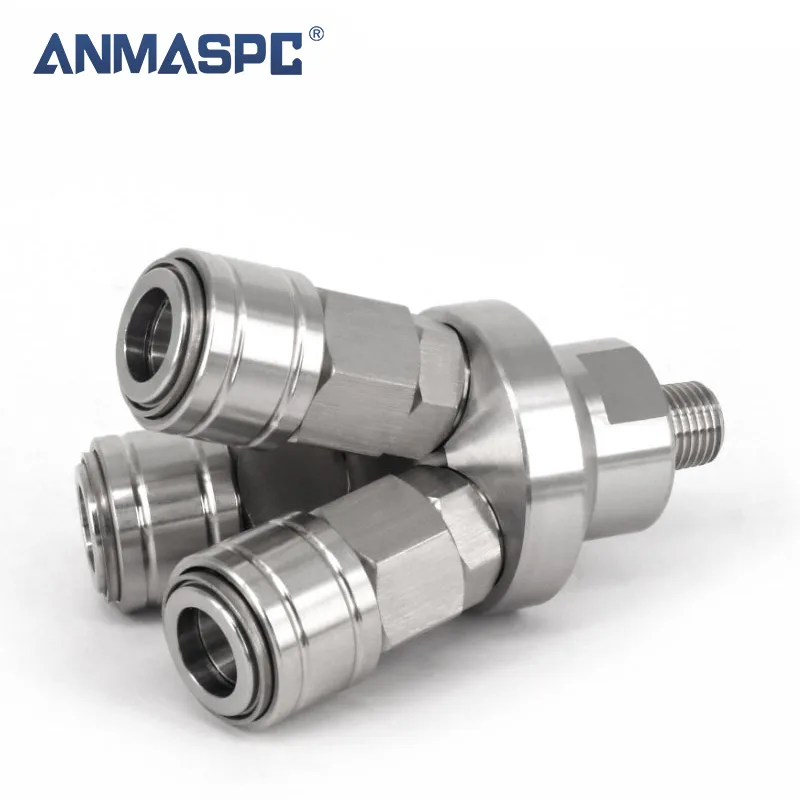
A steel pipe coupling joins compatible pipe ends through threads, compression hardware, a sleeve and fasteners, or a gasketed housing. It is only one element of the piping assembly: pipe material, joint method, supports, and commissioning plan must agree. ASME B31.3 is widely used for process piping, but applicability depends on the system and jurisdiction.
Start with the joint function, then select the coupling family
First define what the joint must do. A straight repair, extension, transition, and vibration-exposed connection do not create the same requirement. Record whether the line needs restraint, limited deflection, disassembly access, or a permanent joint. Rigid couplings prioritize alignment; flexible products accommodate only the movement stated for that product and system. Neither corrects unsupported pipe or excessive thermal movement.
| Coupling approach | Typical use | Primary benefit | Key review point |
|---|---|---|---|
| Rigid mechanical coupling | Aligned runs where restraint is required | Controlled joint position | Confirm alignment, pipe-end preparation, and support detail |
| Flexible mechanical coupling | Systems designed for limited movement or deflection | Specified accommodation of movement | Use only within the stated movement and service limits |
| threaded steel coupling | Thread-compatible smaller-bore service lines | Familiar field assembly | Confirm thread form, sealant practice, and wall suitability |
| Repair sleeve or compression-style coupling | Approved repairs or plain-end connections | Can reduce hot-work requirements | Verify outside diameter, surface condition, and repair procedure |
Size the interface from measured dimensions—not the label
Nominal pipe size (NPS) or diameter nominal (DN) identifies a pipe series, but does not prove that a coupling will fit. An order line reading “DN 50” still needs outside diameter, pipe material, wall range, end condition, and the maker’s approved range. Measure the pipe at the joint, especially on older, coated, oval, or repaired sections.
Use the manufacturer’s installation instructions and dimensional limits. Measure outside diameter with a suitable circumference tape or caliper, inspect roundness where required, and compare results with the supplied range. Escalate a damaged, corroded, or visibly out-of-round end before ordering a repair coupling.
| Field | Why purchasing needs it | Example of a useful entry | Risk if omitted |
|---|---|---|---|
| Pipe dimensions | Establishes compatible interface | Measured OD, nominal size, wall range | Incorrect fit or sealing range |
| Medium and operating envelope | Guides material and gasket review | Compressed air, water, or process medium; design pressure and temperature | Unsuitable sealing material |
| Joint duty | Separates rigid from flexible needs | Aligned extension, repair, or defined movement allowance | Unexpected movement or stress |
| Environment | Sets corrosion-protection question | Indoor dry area, washdown area, or outdoor exposure | Premature degradation |
| Acceptance evidence | Sets receiving and handover scope | Installation instructions, marking, inspection records | Late approval dispute |
Evaluate service conditions and total installed cost
Consider the line medium, external atmosphere, cleaning agents, temperature, and adjacent materials. “Steel” is not a complete corrosion requirement. Outdoors, water retention, coating damage, crevices, soil contact, and access can matter as much as the base alloy. ISO 12944 provides a framework for protective paint systems; it does not approve a particular coupling.
Compare total installed cost, not only unit price. A lower-cost coupling can create expense through surface preparation, special tooling, test failure, or another mobilization. Compare options against the actual installation sequence and acceptance plan.
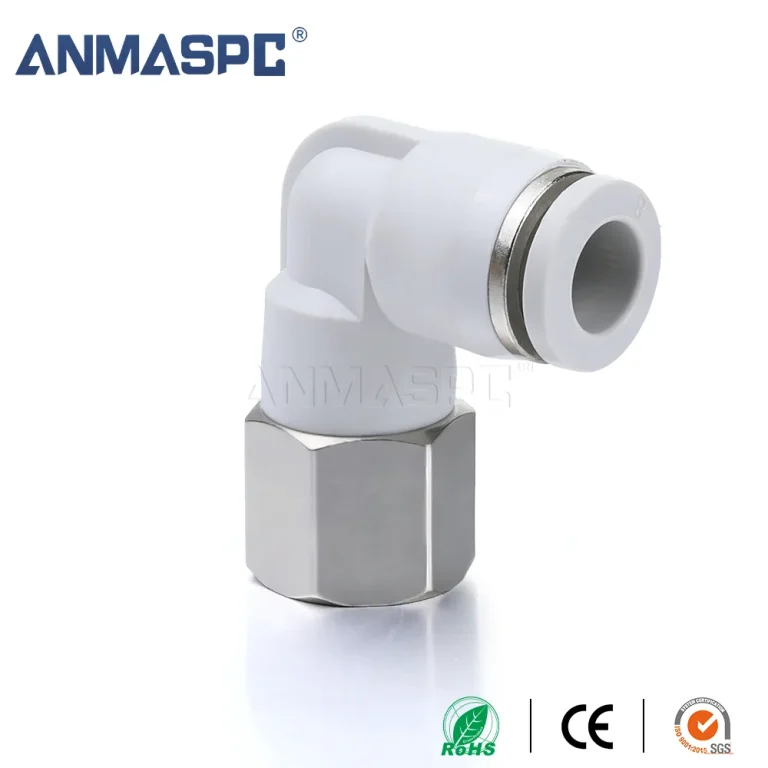
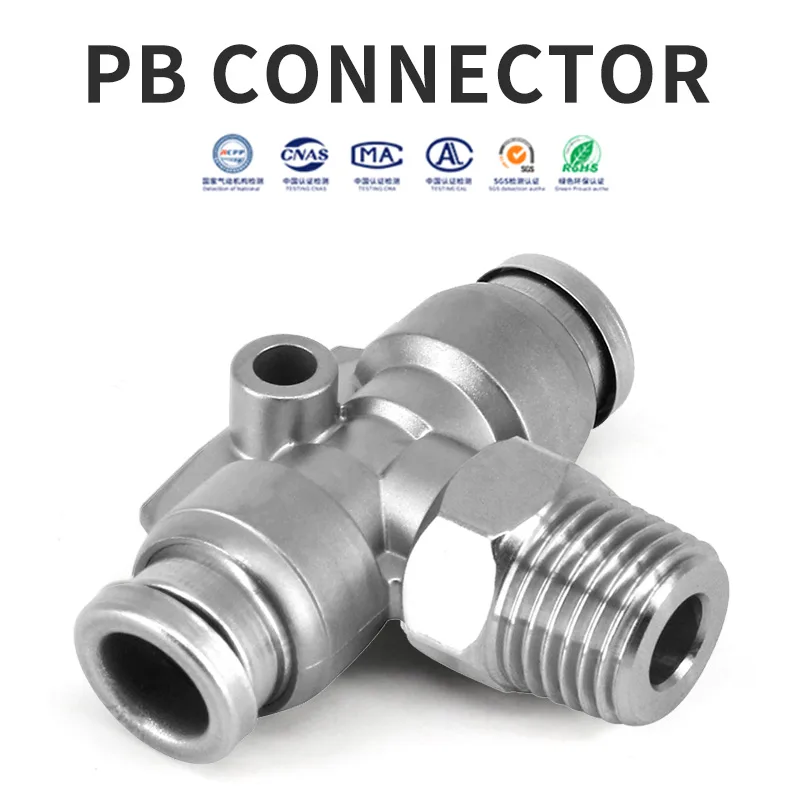
For pneumatic lines, one-touch fittings help distinguish tube-fitting assemblies from steel pipe couplings; stainless-steel joints clarify common connection terminology.
Use standards correctly and build a usable specification
Standards can define pipe, coating, thread, or test requirements, but their scope matters. ASTM A53/A53M covers certain black and zinc-coated welded and seamless steel pipe; it does not certify every attached coupling. ASTM A123/A123M addresses galvanized fabricated iron and steel, while ASTM A153/A153M addresses galvanized hardware. State the applicable document, edition, and acceptance requirement instead of relying on a generic “compliant” claim.
ASME B31.3 includes examination and pressure-testing provisions for process piping, subject to its scope and project requirements. Treat the pressure test as a system-level activity: the responsible procedure should set the method, test medium, pressure, safety controls, hold period, and records.
Before release, issue five essentials: verified dimensions; coupling type; materials and sealing elements; service and environmental limits; and installation, inspection, and documentation requirements. Microduct Connector can discuss connector and pneumatic-component options, but the approved piping specification remains the authority.
Installation and inspection: protect the purchasing decision
Follow product-specific instructions for pipe-end condition, sealant or lubricant where specified, tightening method, and any required gap or insertion mark. Avoid field modification without project approval. For threaded systems, correct thread form matters; for gasketed products, so do cleanliness and gasket seating.
Use a three-stage inspection. At receipt, verify identity, size range, visible damage, and documents. Before assembly, confirm pipe dimensions, component marking, and instructions. After assembly, inspect alignment, engagement, fasteners, and coating damage; then complete the approved leak or pressure test and record corrective action.
When a project includes polyethylene service routes, compare those interfaces separately: this guide to HDPE compression fittings explains why material-specific joining methods should not be assumed interchangeable with steel-pipe connections.
Frequently asked questions
What is a steel pipe coupling?
A steel pipe coupling joins compatible pipe ends. It may be threaded, mechanical, compression-based, or repair-oriented. Select it by pipe dimensions, service conditions, and joint function.
How do I choose the right pipe coupling size?
Verify the maker’s stated size range against measured outside diameter, wall condition, and end preparation. Nominal size alone is not enough, particularly on existing or coated pipe.
What is the difference between a rigid and flexible pipe coupling?
A rigid coupling holds aligned pipes in a controlled position; a flexible coupling permits only stated movement or deflection. Neither replaces suitable piping supports. Confirm the intended joint behavior with the project designer.
Are steel couplings suitable for outdoor piping?
They can be suitable when material, corrosion protection, gasket, and installation details match the exposure. Consider water retention, chemicals, soil contact, and maintenance access; the project specification sets the acceptance basis.
What information is needed to specify a pipe coupling?
Provide pipe material, measured dimensions, end condition, medium, design pressure and temperature, joint function, movement requirement, environment, and document needs. State applicable drawings and the inspection plan so assumptions can be resolved before shipment.
How should a pipe coupling be inspected after installation?
Check alignment, engagement, fastener or thread condition, gasket seating where visible, and coating damage against product instructions. Then complete the project-approved leak or pressure test and retain the required record.
References
- ASME B31.3, Process Piping
- ASTM A53/A53M, Pipe, Steel, Black and Hot-Dipped, Zinc-Coated, Welded and Seamless
- ASTM A123/A123M, Zinc (Hot-Dip Galvanized) Coatings on Iron and Steel Products
- ISO 12944-1, Paints and varnishes—Corrosion protection of steel structures by protective paint systems
A dependable pipe joint begins with measured interfaces and ends with documented verification; familiar hardware is never a substitute for a clear specification. For a project discussion on connector or pneumatic-component options, contact OULU through Microduct Connector with your line data and documentation requirements.