
バーミンガムの仮想的な工場ネットワークのアップグレードにおいて、新規に設置された光ファイバ回線は最初のテストでは正常に動作するものの、キャビネットを閉じた後で不安定になります。トランシーバーは互換性があり、光ファイバ本数も正しいためです。しかし、ケーブルがパネル背面で急なループ状に曲げられています。光ファイバが光をどのように伝送するかを理解することも有用ですが、この設置ミスを防ぐには、ケーブルをどのように保護すべきかを理解することが重要です。.
光ファイバーケーブル 光ファイバーを介して光として情報を伝送します。ファイバーのコアとクラッドが光を導きますが、被覆、強化材、外装、および敷設経路はそれぞれ異なる保護機能を提供します。光リンクには適切なファイバーを選定し、環境に応じたケーブル構造を選びましょう。その後、設置中はケーブルの曲げ、引張、支持に関する要件を必ず遵守してください。.
光ファイバーは、コアとクラッドを通じて光を導きます。
光送信機は、電気信号を変調された光に変換します。光ファイバーはその光を受信機へ導き、受信機は受信した信号を再び電気信号に戻します。通信システム全体には、送信機、受信機、光ファイバーパス、コネクター、および接続部が含まれます;ケーブル単体では、ネットワークのデータレートや伝送距離を決定するものではありません。.
光ファイバー協会は、コアを光を伝導する中心部と定義し、クラッドをそれを取り囲む光学材料と説明しています。両者の屈折率の関係により、単純な光線モデルでは全反射による伝導が成立します。したがって、クラッドは単なる外装保護層ではなく、光学構造の一部です。.
FOAは、一般的なガラス繊維の被覆径を125マイクロメートルと記載しています。この寸法は、ケーブルには追加の保護および構造用要素が含まれているため、完成したケーブルの外径よりもはるかに小さくなっています。技術仕様書に記載された繊維の寸法を、完成したケーブルを収めるダクトのサイズ決定に使用してはなりません。.
光路に沿って損失が累積します。光ファイバーの減衰、コネクタや接続部の損失、過度な曲げなどが受信信号に影響を及ぼします。リンクバジェットは、計画した光システムに十分なマージンがあるかどうかを確認するものです。ファイバーの本数を増やしても、各接続の速度が自動的に向上したり、設計不良の光路が解決されたりするわけではありません。.
ケーブルの外装は、複数の異なる層を保護します。
個々の光ファイバーを覆う被覆は、取り扱い時の損傷や水分の影響から保護します。バッファーおよびその他のケーブル構造により、さらなる保護と配線の整理が行われます。強度部材はケーブル設計に応じて機械的負荷を担い、外装ジャケットは使用環境や取り扱い条件に合わせて選定されます。.
これらの役割を、ジャケットがケーブルを破壊不可能にするという一つの主張にまとめることは避けてください。FOAのケーブルに関する参考資料では、タイトバッファ型、ロストチューブ型など、用途の異なる各種構造が説明されています。一部のケーブルには装甲が組み込まれている一方で、他のケーブルは全絶縁構造を採用しています。具体的な要素の有無は、実際の製品図面およびデータシートによって決定されます。.
個々の光ファイバーを容易に取り扱い、端末処理できる場面では、タイトバッファー構造のケーブルが便利です。一方、環境保護やファイバー管理が重要な屋外用途では、ロウスタブ構造が一般的です。これらはあくまで一般的な用途例であり、同一シリーズのすべてのケーブルが屋内および屋外のあらゆる経路に適合するわけではありません。.
防水機能を備えた部品と屋外用ジャケットは、環境への曝露に対処しますが、それだけで屋内用の防火等級が自動的に適用されるわけではありません。同様に、屋内仕様のジャケットを採用しても、ケーブルが湿潤な地下ダクトに適しているとは限りません。使用目的に適合するよう文書化された要件を満たす屋内外兼用ケーブルを選定するか、適切な移行部を設計してください。.
| 要素 | 主な役割 | 実践的な選択問題 |
|---|---|---|
| コアとクラッド | 光信号を導く | どのファイバ仕様が光学システムに適合しますか? |
| ファイバーコーティングまたはバッファー | 個々の繊維の保護と取り扱いをサポート | ケーブルにはどのような端末処理および終端方法が必要ですか? |
| 強度部材 | 指定された機械的荷重を負担する | 引っ張り用アタッチメントは、どの部分に力を伝達しなければなりませんか? |
| ジャケットとオプションのアーマー | 建設現場に特化した環境保護および機械的保護を提供する | このルートに適合する正確なケーブルは承認されていますか? |
| ダクトおよび閉鎖部 | 設置済みの経路およびジャンクションを保護する | 寸法、シーリング、アクセスは適切ですか? |
光リンクには、シングルモードまたはマルチモードの光ファイバを選択してください。
シングルモード光ファイバー has a much smaller core than multimode fiber and supports a different propagation regime. FOA gives a typical single-mode core size of about 9 micrometers, compared with common multimode core sizes of 50 or 62.5 micrometers. These introductory dimensions do not replace the full fiber specification needed for an application.
マルチモード光ファイバー 複数の伝搬モードをサポートし、適切な短距離の光リンクで広く使用されています。シングルモード光ファイバーは、長距離路線や多くのアクセスネットワーク用途で広く用いられています。正しい選択は、一般的にどちらかが常に優れているという単純な判断ではなく、求められるインターフェース、距離、ファイバーの種類、トランシーバーの対応、許容損失などによって決まります。.
リンクの両端を一致させます。トランシーバーの仕様、コネクタのインターフェース、光ファイバのカテゴリ、および計画されているチャネル長を確認してください。既存のパッチパネルやコードも経路の一部であるため、ケーブルタイプを変更する場合は、他の箇所でも変更が必要になることがあります。互換性は、コネクタの形状や外装の色だけで判断しないでください。.
システム全体のコストを比較してください。ケーブル価格が安価であっても、異なるトランシーバーの採用や終端作業、既存部品の交換が必要になる場合があり、結果的に総コストが上回る可能性があります。逆に、明確な要件がないままより高い仕様を選定すると、サポートするアプリケーションの向上が見られないにもかかわらず、コストが増加するおそれがあります。発注前に、想定するネットワーク規格と光損失予算を必ず記録してください。.
ケーブルに追加の保護が必要な箇所には、ダクトとシールを用いてください。
ダクトはケーブルの敷設経路を整備し、周囲の構造物からケーブルを分離するとともに、設置や交換のためのルートを提供します。ただし、不適切なケーブル被覆を補うものではなく、曲げ半径の管理が必要な状況を解消するものでもありません。地下の敷設経路については、適用される設計基準で別途定めがない限り、湿潤環境下にある可能性があるとみなして評価する必要があります。.
クロージャは、スプライスやジャンクションを保護し、その設計に従って光ファイバーやケーブルの取り込みを管理します。ケーブルの直径範囲、取り込みの配置、ファイバーの整理方法、および使用環境を確認してください。筐体の形状から、防水性能、埋設適性、または特定の侵入保護等級を推測してはなりません。.
マイクロダクトの経路がケーブル周囲の気密処理を必要とする境界を横断する場合、適切なガスブロック部品が必要となることがあります。 ガスブロックコネクタ設置ガイド 異なるダクトおよびケーブルの適合検査について説明します。ガスブロックコネクタは光ファイバースプライスコネクタではなく、これを使用しても建物貫通部の防火区画性能等級は確保されません。.
小口径ダクト部材間の継手については、該当する ストレートマイクロダクトカップラーの取り付け手順. ケーブルの取り付け前に、接続部の位置合わせ、準備作業、および利用可能なケーブル通線経路を確認することが重要です。これらの機械的チェックは、端末処理後の光特性試験とは別に行ってください。.
| ルートの状況 | 評価のための保護 | Evidence to obtain |
|---|---|---|
| Indoor pathway | Suitable jacket, raceway, support and penetrations | Applicable classifications and installation instructions |
| Underground duct | Outdoor cable construction and protected duct route | Environmental suitability, dimensions and handling limits |
| Exposed outdoor segment | Sunlight and mechanical exposure protection | Product-specific outdoor-use conditions |
| Splice location | Appropriate closure and cable-entry arrangement | Supported cable ranges and enclosure application |
| Future cable addition | Accessible spare route or planned replacement method | As-built records, occupancy and route condition |
Control cable bends and support the route during installation
FOA identifies maximum pulling tension, minimum bend radius and crush loading as important cable limits. Obtain the selected cable’s values before work starts and make them available to the installation crew. Distinguish limits during installation from those that apply after the cable is relaxed and supported.
As general guidance, FOA describes 20 times cable diameter for bending under pulling tension and 10 times diameter afterward, while warning that actual cable specifications may differ. For a hypothetical 8 mm cable, these multipliers give 160 mm and 80 mm radius. Those figures illustrate the calculation only; the product’s instructions govern the job.
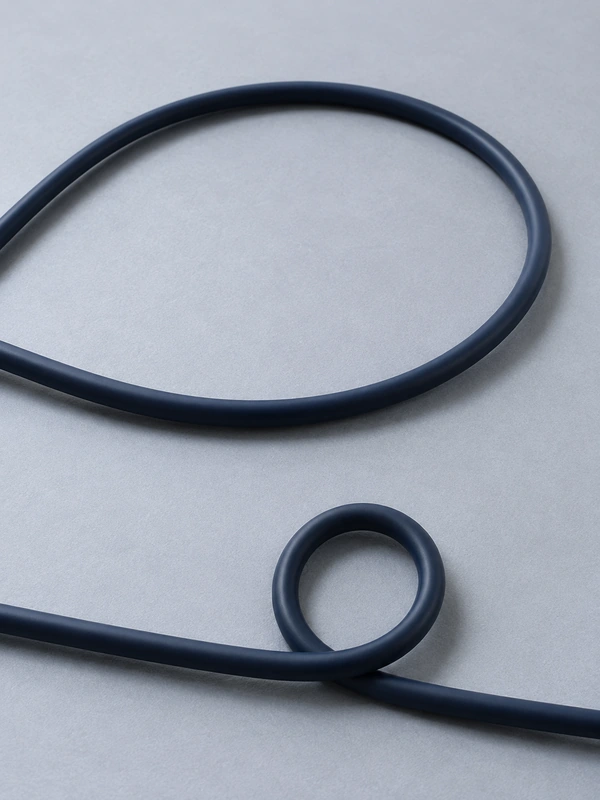
Plan cable reels, rollers and storage loops so the cable is not twisted or forced around a sharp edge. Use the designated strength members and approved pulling attachment. Cable ties and supports should hold the cable without crushing its jacket. A tidy-looking bundle can still apply damaging compression if fasteners are overtightened.
Optical fibers do not carry electrical current, so the optical transmission path is not affected by electromagnetic interference in the way a conductive signal path can be. However, a cable may contain metallic armor or other conductive elements. Those components can introduce bonding and grounding requirements; do not describe every fiber cable as completely nonconductive.
Fiber systems also require careful connector cleaning, appropriate test equipment and competent termination work. Assess optical performance after installation and compare results with the project criteria. A visually intact jacket does not prove that the fibers are undamaged, and a successful mechanical route check does not demonstrate acceptable optical loss.
For procurement, provide ANMASPC or the relevant supplier with cable diameter, route environment, fiber organization and the intended junction arrangement. Ask for product-specific drawings and installation documents. Keep optical cable selection, duct selection and closure selection connected in the project plan, while checking each against its own requirements.
よくある質問
What is fiber optic cable used for?
It carries information as optical signals in telecommunications, enterprise networks, data centers and other systems. The supported data rate and reach depend on the complete optical link. Cable construction is selected separately for the installation environment.
How does optical fiber transmit information?
A transmitter sends modulated light into the fiber, which guides it to a receiver. The core and cladding provide the optical guiding structure. Connectors, splices and bends affect how much signal reaches the receiver.
What is fiber optic cable made of?
It contains optical fibers with core, cladding and protective coating, plus construction-specific buffers, strength members and an outer jacket. Some cables also include water-blocking materials or armor. Check the actual product drawing rather than assuming every cable contains the same layers.
What is the difference between single-mode and multimode fiber?
They have different core structures and propagation characteristics, requiring compatible optical equipment. Single-mode is widely used for longer links, while multimode serves many suitable shorter links. Select the fiber category and transceivers for the intended application and distance.
What are the advantages of fiber optic cable?
Fiber supports high-capacity optical communications and long links with suitable equipment, and the optical signal is resistant to electromagnetic interference. Its small transmission medium can support dense networks. Actual performance still depends on the selected fiber and complete system design.
What are the disadvantages of fiber optic cable?
Installation requires attention to bending, pulling, connector cleanliness and termination quality. Optical testing and repair may require specialized equipment and skills. Cable, transceiver and installation costs should be compared as one system rather than treating the cable price as the whole cost.
Why does a fiber optic cable need mechanical protection?
Excessive bending, pulling, crushing or abrasion can damage the cable or increase optical loss. Jackets, ducts, supports and closures address different parts of that exposure. They must be selected and installed without creating new stress points.
参考文献
- Fiber Optic Association: Optical Fiber, Core and Cladding, Singlemode and Multimode.
- Fiber Optic Association: Fiber Optic Cable Construction.
- 光ファイバー協会:光ファイバーケーブルの敷設.
要約
Optical performance and mechanical protection are related but separate design decisions. Match the fiber and transceivers to the link, choose the cable construction for the environment, and protect the installed route without exceeding bending or pulling limits. Appropriate ducts, supports and closures help preserve the performance established by the optical design.
For a planned splice location, review the ANMASPC fiber optic splice closure and contact the team with the cable dimensions and installation conditions to confirm the appropriate entry arrangement and supporting documents.



