
PERSPECTIVAS DE LA INDUSTRIA

Noticias y blog

Noticias de la industria, guías técnicas y conocimientos prácticos de proyectos para profesionales de microconductos, instalación de fibra y conexión neumática.

Últimos Artículos

Artículos

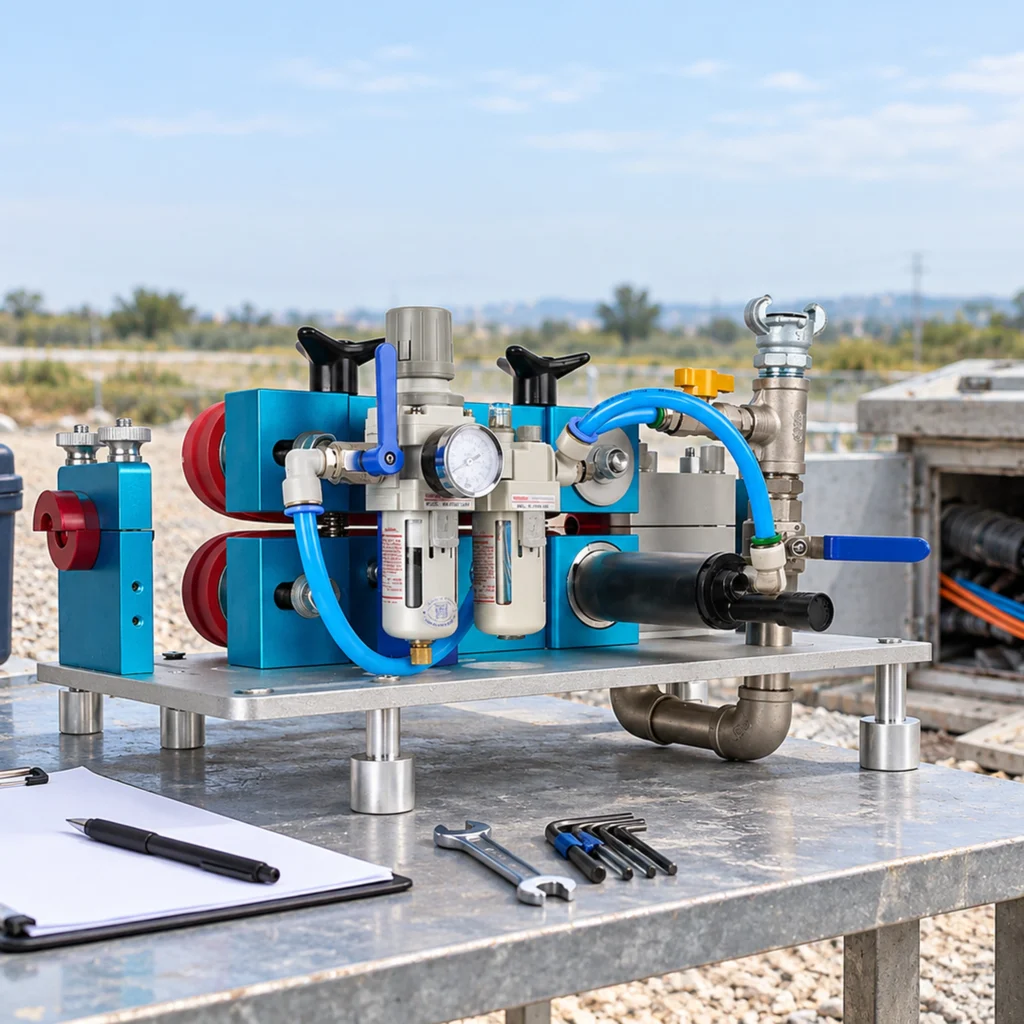
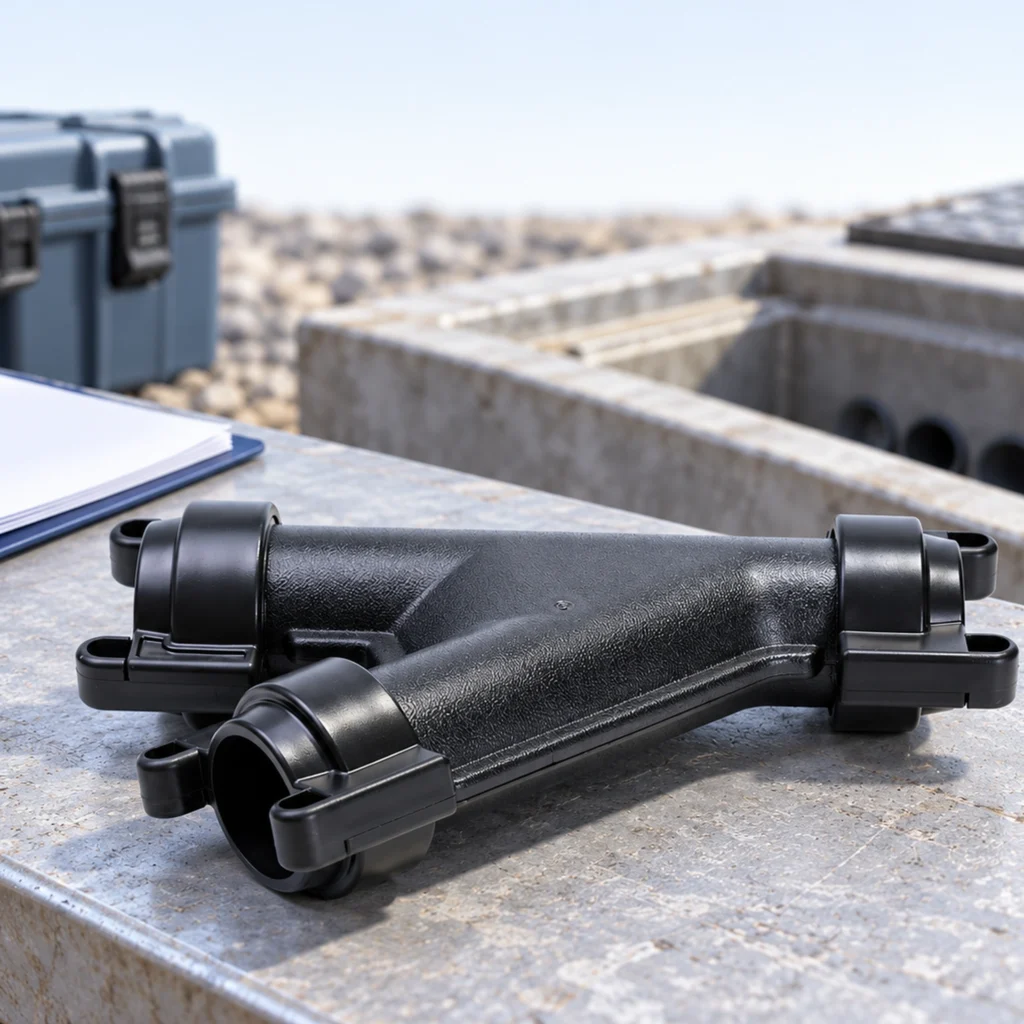
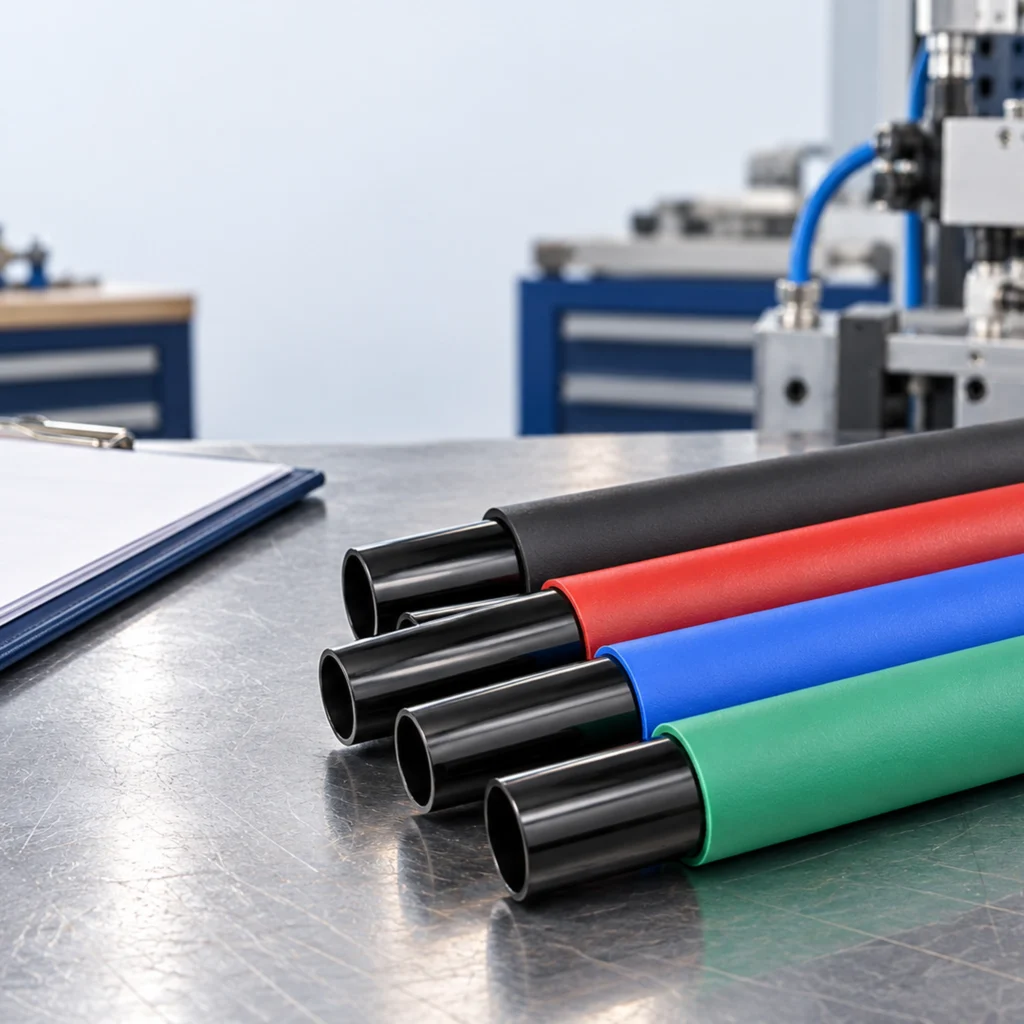
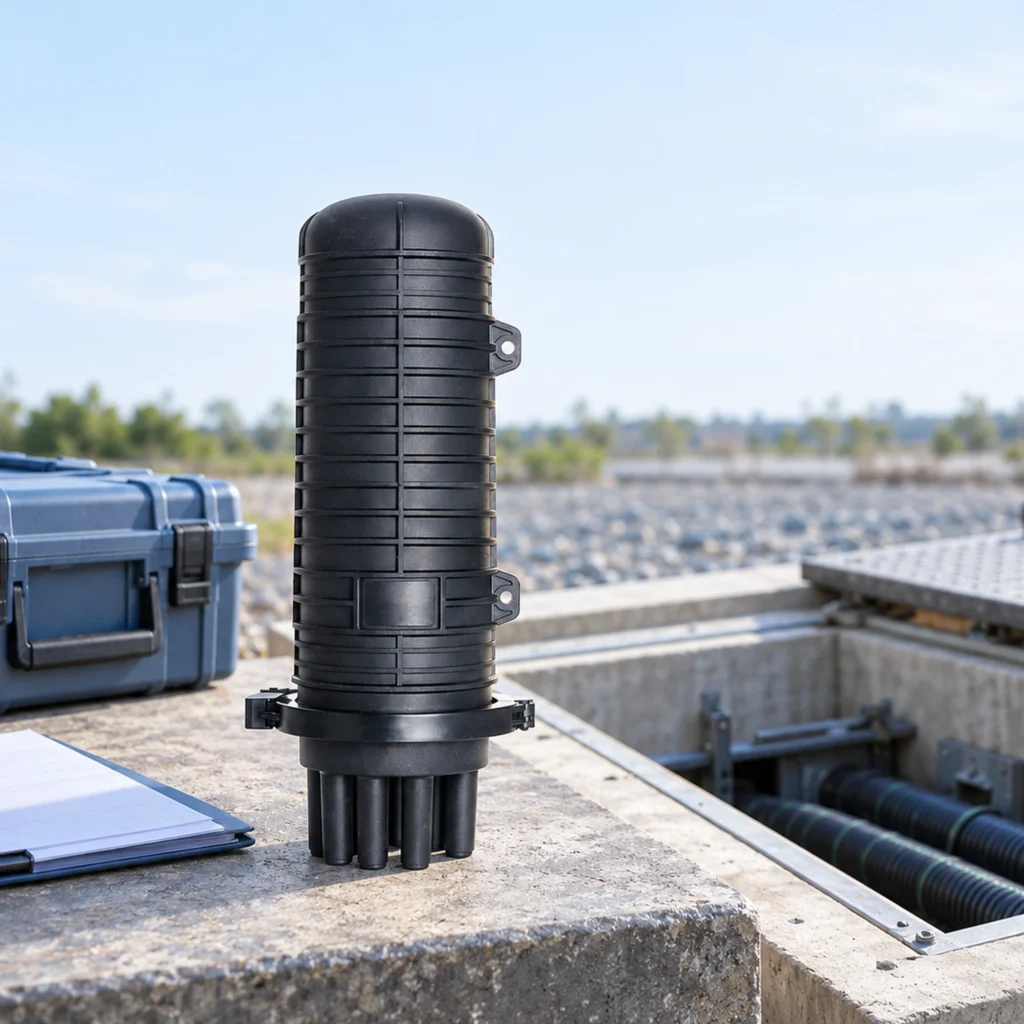
Air-Blown Microfiber Optic Cable: How Installation Works

Air-Blown Microfiber Optic Cable: How Installation Works

When a network planner is asked to add fiber through an existing underground route, the visible failure may be simple: the air-blown microfiber optic cable stops before the planned access point. The cause is often upstream selection or preparation rather than a defective cable. A poorly sealed joint, an unverified bend, an obstructed microduct, or an incompatible cable-and-duct combination can consume the installation margin…
Ver detalle
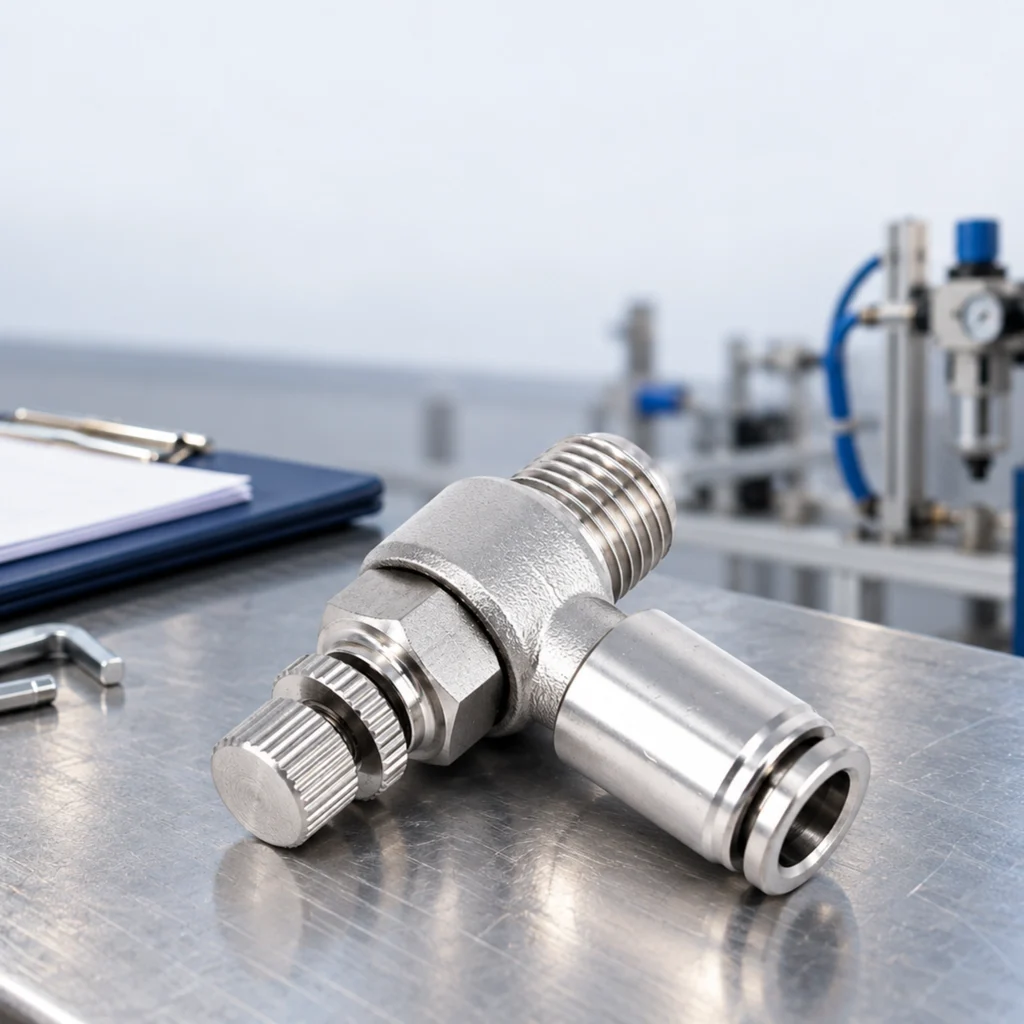
Future Applications of Pneumatic Products in Automation Equipment

Future Applications of Pneumatic Products in Automation Equipment

When a maintenance engineer in Ningbo reviews an automated assembly cell, a small air leak at a fitting can become a visible failure: a gripper misses its repeatable stroke, the line pauses, and the first instinct is to blame the actuator. In this illustrative planning scenario, the reversal is important. The root cause may be component selection, tube routing, pressure stability, or maintenance access…

Ver detalle
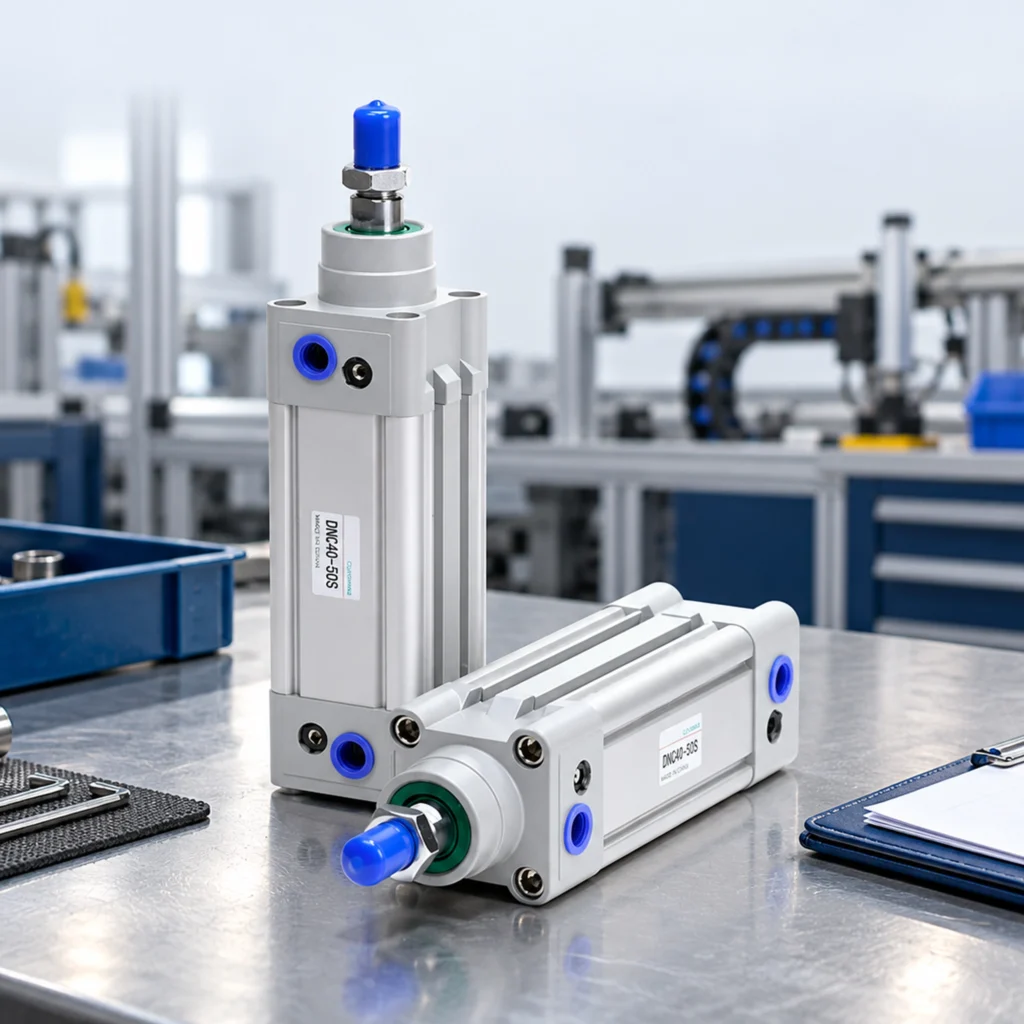
How Does a Pneumatic Cylinder Work?

How Does a Pneumatic Cylinder Work?

When a machine stops at the end of a stroke, the visible symptom is often a stationary rod, but the cause may be upstream: a control valve may not be switching, a fitting may be leaking, or the cylinder may be underspecified for the load. Understanding how a pneumatic cylinder works helps maintenance and design teams separate air supply, control, mechanics, and installation checks…

Ver detalle
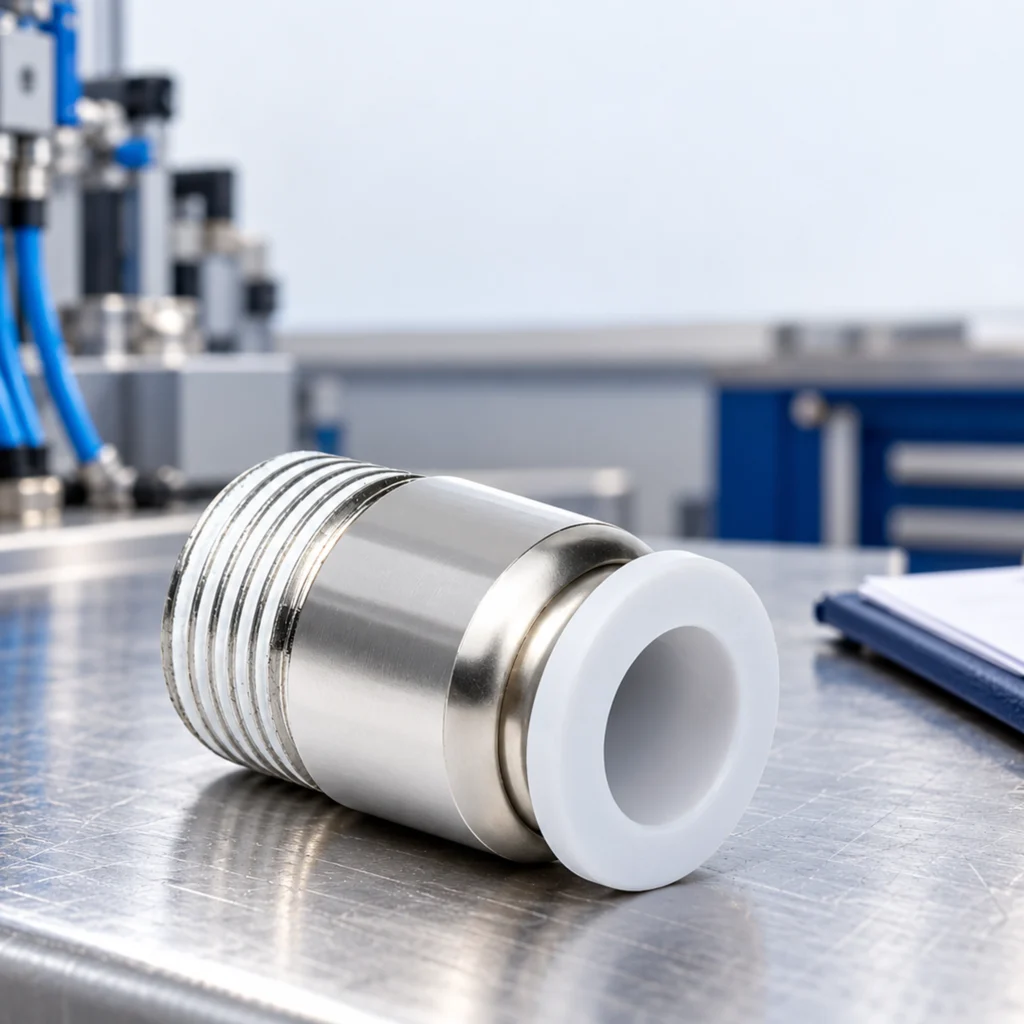
Where Are Pneumatic Fittings Used and What Do They Do?

Where Are Pneumatic Fittings Used and What Do They Do?

A maintenance engineer may replace a leaking air line twice before discovering that the fitting was selected by thread size alone. The tube outside diameter (OD), port thread, working medium, and pressure and temperature limits all have to agree; a push-in fitting that fits physically can still be the wrong connection for the circuit. This guide answers where pneumatic fittings are used, what their…

Ver detalle
How to Install Air-Blown Optical Cable: A Route-Based Method

How to Install Air-Blown Optical Cable: A Route-Based Method

If an air-blown optical cable stops before the planned endpoint, the first question is what changed along the route. A restricted duct, leaking joint, unsuitable cable-and-duct combination or incorrect machine setup can produce similar symptoms. Increasing force before locating the cause can damage the cable and make recovery harder. This guide sets out a route-specific installation method, covering duct preparation, connector checks, controlled blowing…

Ver detalle
FTTM Explained: How Fiber Reaches Multimedia Services

FTTM Explained: How Fiber Reaches Multimedia Services

FTTM is an ambiguous industry abbreviation. Different publications use it for fiber to the machine or fiber to the mobile; a multimedia project may use its own descriptive meaning. Before selecting equipment or pathway components, spell out the intended endpoint and services. The acronym alone does not define the topology, access technology or acceptance requirements. FTTM has context-dependent meanings, including fiber to the machine…

Ver detalle
Explorando las ventajas de los tubos ignífugos

Explorando las ventajas de los tubos ignífugos

Flame retardant tubing is useful only when its documented behavior matches the exposure and the mechanical duty of the line. A material flammability result does not automatically establish resistance to welding spatter, continuous heat or pressure loss. Selection should connect the exact tube construction, test evidence, routing and compatible fittings rather than rely on a broad fire-resistant label. Flame retardant tubing can help limit…

Ver detalle
Optical Fiber Communication: How It Works and Why It Matters

Optical Fiber Communication: How It Works and Why It Matters

Optical fiber communication depends on a matched transmitter, fiber path and receiver. Its capacity and reach are useful only when the equipment, cable construction, connections and installation limits agree. Understanding the signal path also makes it easier to separate an optical-loss problem from a damaged pathway, an incompatible interface or an incomplete acceptance test. Fiber optic communication encodes information onto light and guides it…

Ver detalle
What Is a Solenoid Valve and How Does It Work?

What Is a Solenoid Valve and How Does It Work?

A solenoid valve converts an electrical command into a change in a fluid path. Selecting one requires more than the port size or coil voltage: the rest state, operating pressure, medium, flow demand and actuation design must fit the circuit. When a valve clicks but produces no useful flow, those same details provide a better starting point than replacing it by appearance. A solenoid…

Ver detalle