
When a procurement engineer in Rotterdam encountered a steel connector delay on a compressed-air upgrade, she released a visually similar fitting to keep installation moving. The thread engaged, but the mating tube size and sealing arrangement did not match the approved assembly; the issue became visible during pre-commissioning. The reversal was a specification, interface, and document-control failure.
Summary: Global buyers should source steel connectors from a controlled specification that states material, interface, thread or tube dimensions, coating, intended medium, and required records. ASTM A123/A123M and ASTM A153/A153M have different scopes for hot-dip zinc coatings, while ISO 4042 addresses electroplated coatings on threaded fasteners; none is a blanket approval for every connector. Compare suppliers on technical clarity and traceability before comparing unit price.
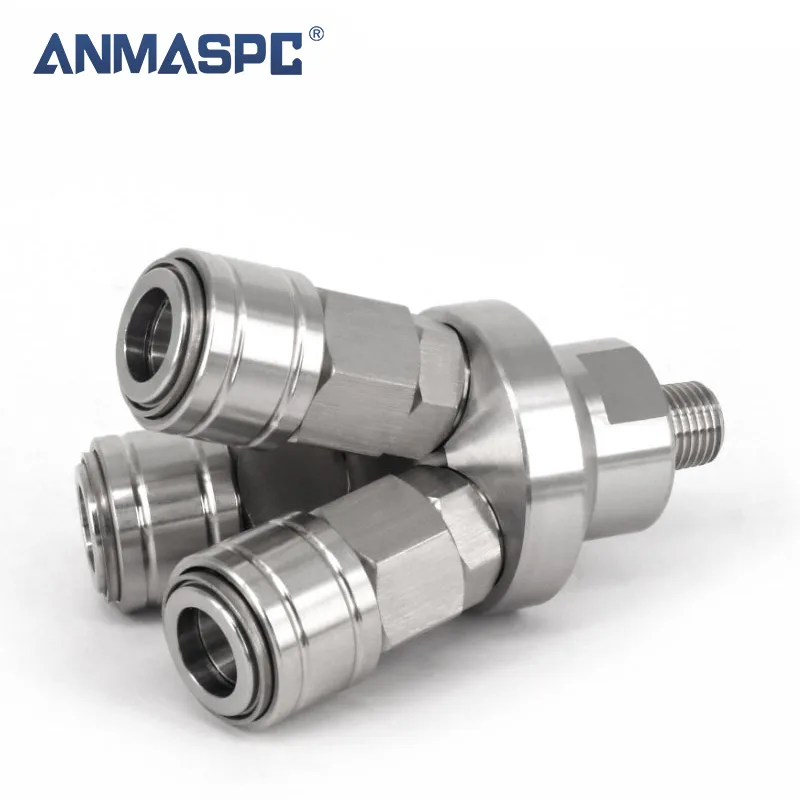
“Steel connector” covers adapters, compression or push-in fitting bodies, couplings, brackets, and fabricated joining parts. The sourcing question is whether the part fits the defined application, interfaces, market rules, and purchase-order evidence.
Write the application as a measurable specification
A reliable request for quotation begins with the connection’s job: join tubes, adapt a thread, route an air line, or fasten a component. Include a controlled drawing, tube outside diameter where relevant, thread designation, sealing method, material, coating, quantity, and packing requirement. A 1/4-inch thread label alone is incomplete because thread family, pitch, taper, and sealing approach can differ.
State the medium, temperature range, installation environment, and project constraints. For buyers comparing families, this overview of one-touch fittings distinguishes push-in interfaces from threaded or compression connections.
| Specification field | What to state | Why it affects sourcing |
|---|---|---|
| Connection interface | Tube OD, thread designation, mating component, seal type | Prevents nominal-size assumptions and fit-up disputes |
| Material and finish | Requested steel or stainless grade, coating system, colour or marking if needed | Lets suppliers identify substitutions and processing limits |
| Service conditions | Medium, temperature, exposure, installation location | Connects the part to its intended use rather than a generic catalogue claim |
| Acceptance evidence | Drawing revision, inspection plan, lot identification, agreed records | Makes receiving inspection and discrepancy handling practical |
Use each standard only for its stated scope
Check every standard number against its current scope and the exact product. ASTM A123/A123M covers hot-dip galvanized coatings on fabricated iron and steel products, while ASTM A153/A153M covers hardware; ISO 1461 also addresses fabricated articles. These documents do not establish that an unspecified connector suits a particular pressure, load, chemical, or market.
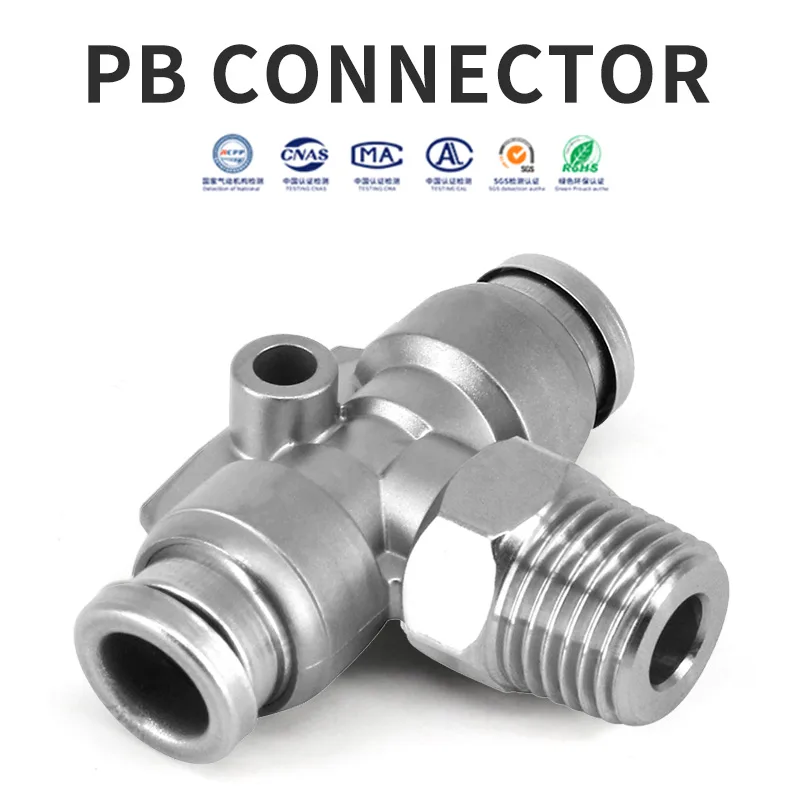
ISO 4042 addresses electroplated coating systems for threaded components, while EN 10204 classifies metallic-product inspection documents. The contract must still define the needed document type and traceability. Treat a cited standard according to its scope—not as a product certification claim.
Destination rules can add labelling, safety, or customs expectations. The importer, project owner, and responsible technical party should confirm the applicable route before making compliance statements.
Check the factory beyond the first sample
Samples can check form and workmanship, but serial supply is a separate capability question. Ask how the manufacturer controls revisions, identifies lots, manages material, and handles nonconforming parts. Require a clear statement of what conforms to the submitted specification and what would be substituted.
For sourcing in China or elsewhere, compare the production and communication system rather than national labels. Review technical annexes, dimensional tolerances where applicable, tooling or sample status, packing, and change notification. A factory visit or independent inspection may suit a higher-risk order when its scope is agreed in advance. Keep pneumatic and structural connection categories separate; this primer on stainless-steel joints helps organize application-specific enquiries.
| Comparison point | Questions for the supplier | Commercial effect |
|---|---|---|
| Technical match | Does the offer cite the drawing, interface, material, and finish? | Reduces the risk of comparing unlike items |
| Document control | How are revisions, lot labels, and approved changes handled? | Supports receiving checks and corrective action |
| Inspection support | Which agreed measurements or records can accompany the order? | Sets realistic acceptance expectations before shipment |
| Packaging and logistics | How are sizes separated, protected, labelled, and shipped? | Can reduce sorting, damage, and installation delays |
| Total-cost view | What exclusions, minimums, tooling, freight terms, and lead-time assumptions apply? | Prevents a low unit price from obscuring downstream cost |
Compare quotations with inspection and delivery risk
A useful quotation is traceable to the enquiry. Compare item code, revision, quantity, material, finish, dimensions, Incoterm, tooling, packaging, records, lead time, and exclusions. If “equivalent” material or coating is offered, request the exact alternative and technical approval before release.
Total cost includes more than landed price. Illustratively, site sorting, urgent replacement freight, or an installation hold can outweigh a small piece-price difference. Make documentation proportionate to the connector’s duty and the cost of an error.
Set incoming checks before goods arrive: confirm package identity and quantity, compare markings and dimensions with approved documents, record damage, and quarantine discrepancies. For pneumatic line projects, this guide to pneumatic straight fittings separates routing needs from material and interface requirements.
Follow the same checks for every supplier
- Issue a controlled technical package and ask suppliers to list assumptions, exceptions, and proposed alternatives.
- Compare the technical match before commercial terms; a complete offer is more useful than an unqualified low price.
- Agree the required records, labels, packaging, and inspection points in the purchase order.
- Confirm destination-market responsibilities and avoid unsupported performance or certification language.
OULU can help organize product options and enquiry information; final selection remains tied to the buyer’s verified specification and technical review.
Keep the drawing, standard, and batch together
Global sourcing becomes difficult when the drawing uses one designation, the quotation uses another, and the inspection report omits the coating or heat number. Create one controlled package containing the approved drawing, material and coating requirement, applicable standard edition, inspection points, packing instructions and change-notification rule. Ask the supplier to identify what is tested on every batch and what is checked only during qualification.
| File | Minimum information | Buyer check |
|---|---|---|
| Drawing | Dimensions, tolerances, holes, threads and finish | Matches the installed interface |
| Material record | Grade, heat or batch reference and coating | Traceable to the shipped lot |
| Inspection plan | Critical dimensions, sampling and acceptance limits | Can be used at receiving |
| Change control | Approval route for material, tooling or process changes | Prevents silent substitutions |
Compare this process with the construction steel connector checklist and request a drawing review before placing a global order.
Frequently asked questions
What standards should steel connector buyers consider?
Consider Standards that match the component and question: coating scope, fastener properties, inspection documentation, or finished-assembly requirements. ASTM A123/A123M, ASTM A153/A153M, ISO 1461, ISO 4042, and EN 10204 can be relevant. Confirm current editions, scope, and contractual applicability before ordering.
How do I evaluate a steel connector manufacturer?
Evaluate the supplier’s ability to follow the drawing, identify material and finish, manage revisions, package parts, and provide agreed records. Review how exceptions and nonconforming parts are communicated. A sample does not by itself verify ongoing order control.
What material and coating information should a supplier provide?
Ask for the material description or grade, coating type, applicable standard when relevant, and any limitations or substitutions. Define the service environment and mating materials so the information can be reviewed in context. “Steel” or “galvanized” is not a complete description.
How do I compare steel connector quotations?
Normalize technical content first: interface, dimensions, material, finish, revision, quantity, records, packaging, and exclusions. Then compare Incoterm, tooling, lead time, and payment structure. This makes price differences explainable rather than merely attractive.
What inspection records should accompany an order?
State records required for the risk level: packing list, lot identification, dimensional check, material statement, or agreed inspection document. EN 10204 is useful vocabulary, but it does not decide what your contract needs. Align records with the receiving plan before production.
Can one steel connector specification serve every global market?
Usually not without review. Assemblies, local rules, customer documentation, environmental exposure, and import responsibilities can differ by market. Build a core specification, then verify market-specific requirements before claiming equivalence or compliance.
References
- ASTM A123/A123M: Zinc (Hot-Dip Galvanized) Coatings on Iron and Steel Products
- ASTM A153/A153M: Zinc Coating (Hot-Dip) on Iron and Steel Hardware
- ISO 1461: Hot dip galvanized coatings on fabricated iron and steel articles
- ISO 4042: Fasteners—Electroplated coating systems
- EN 10204: Metallic products—Types of inspection documents
The strongest connector order is the one everyone can identify, inspect, and install without guesswork. When you are ready to align an enquiry with product options and documentation needs, contact OULU through Microduct Connector.
Practical conclusion: Reliable steel-connector sourcing depends on document control as much as factory capacity. Keep the drawing, applicable standard, inspection plan and batch record linked, then compare suppliers on the risk of the delivered assembly rather than catalogue wording alone.


