When a procurement engineer in Oulu approved a quick replacement fitting for a packaging line, the crew installed it, pressurized the circuit, and immediately heard air escaping at the tube end. The visible failure suggested a faulty part; the reversal came when the team compared the tube outside diameter, thread form, seal material, and test evidence. The issue was an incomplete specification, not merely product quality.
Quick answer: There is no single universal certificate that makes every one-touch fitting suitable for every pneumatic duty. ISO 4414:2010 frames safety requirements for pneumatic systems, while ISO 8573-1 classifies compressed-air contaminants; buyers still need model-specific evidence for tube compatibility, thread geometry, pressure, temperature, and media. Put those fields on the purchase specification, then request an agreed inspection and functional test before approving a supplier or substitution.
Related reading: air-hose fitting comparison.
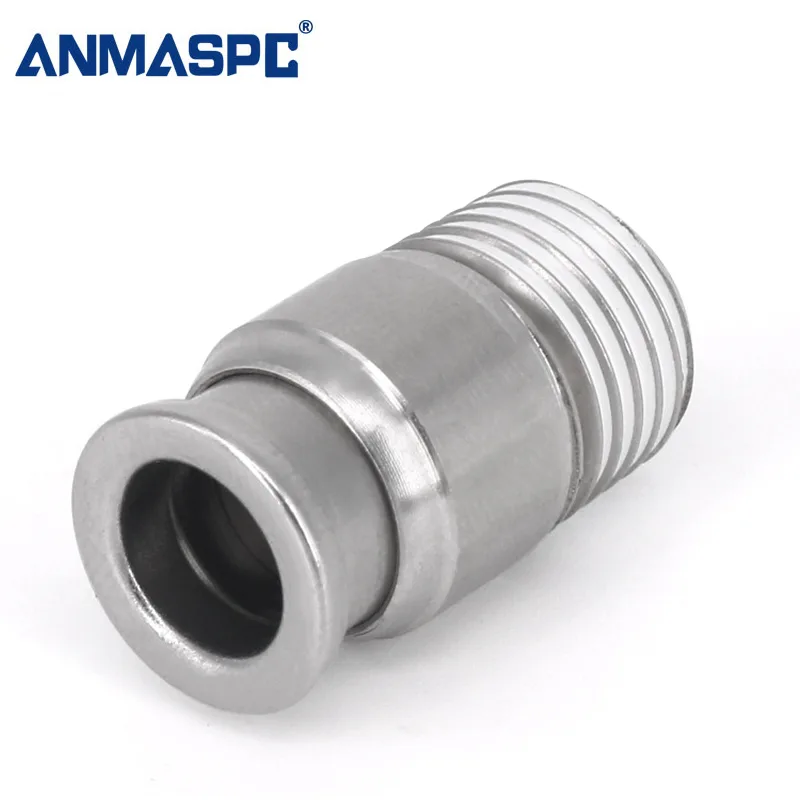
What a standard can and cannot prove
ISO 4414:2010 covers general rules and safety requirements for pneumatic fluid-power systems and their components. It is useful when reviewing stored energy, isolation, unexpected movement, and safe installation; it is not a blanket product certificate for a push-to-connect fitting. ISO 8573-1:2010 classifies compressed-air contaminants by particles, water, and oil, helping buyers define air quality where contamination can affect seals, processes, or component life.
Standards should therefore be used as a specification framework. For the exact part number, request the manufacturer’s current data on permissible tube types and sizes, pressure and temperature limits, media restrictions, thread identification, assembly method, and any relevant declared conformity. Do not convert a test method, a material statement, or a system standard into an unsupported product certification claim.
Compare one-touch fittings before standardizing spares
A one-touch fitting can reduce tube-end assembly time, yet its total cost includes leakage investigation, unplanned substitutions, and spare-part complexity. The lowest-rated component in the completed path-tube, fitting, port, valve, or accessory-sets the usable service limit. Use a controlled trial to assess the complete assembly rather than evaluating the fitting in isolation.
| Connection type | Best-fit duty | Critical compatibility check | Typical hidden cost |
|---|---|---|---|
| One-touch pneumatic fitting | Plastic-tube control and automation circuits | Tube OD, material, cut quality, media, and stated limits | Leak tracing after an unverified tube substitution |
| Barbed hose fitting | Flexible hose assemblies | Hose ID, barb geometry, and approved clamp or crimp method | Hose creep or retention issues |
| Compression fitting | Fixed tubing routes | Tube OD, wall, material, and assembly instruction | Damage from overtightening or reused parts |
| Quick-connect coupler | Frequent tool changes | Exact plug/coupler profile and rated duty | Incompatible interchange profiles in service stock |
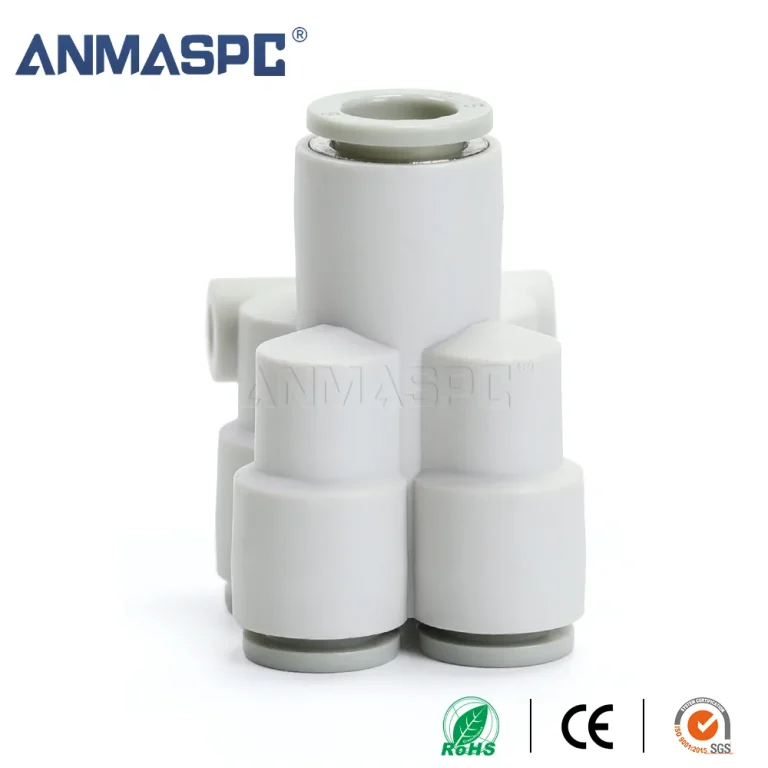
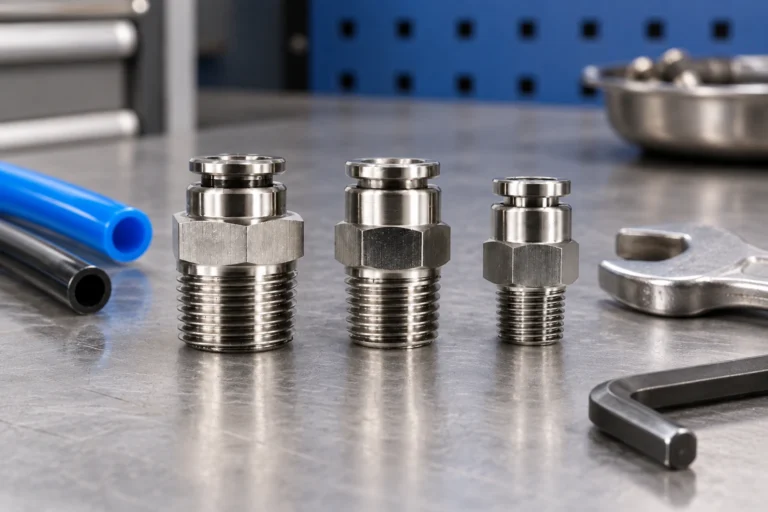
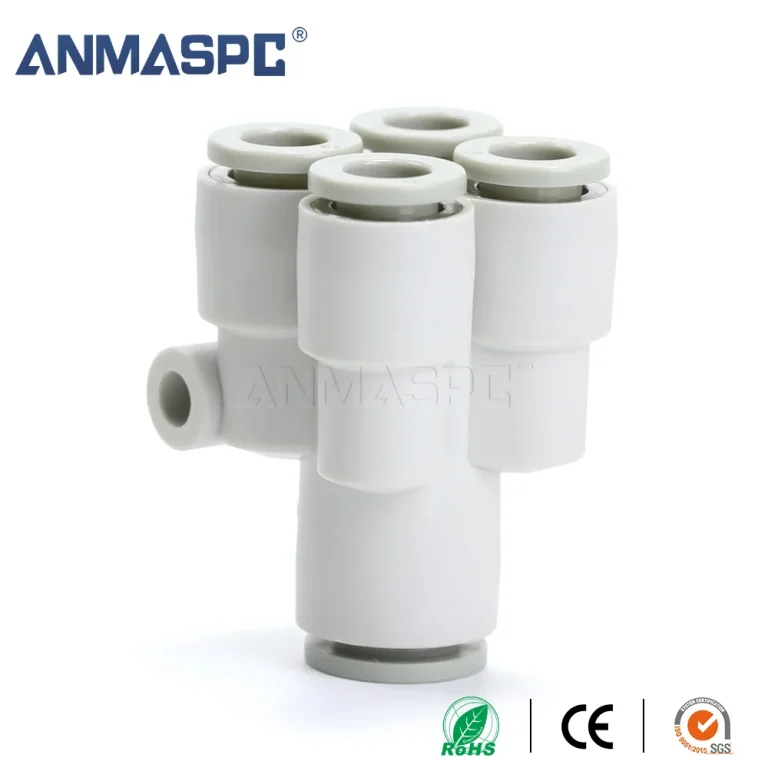
For a practical overview of the tube-end mechanism and common configurations, see this guide to one-touch fittings. It reinforces a useful procurement rule: fast assembly does not remove the need to control the interface.
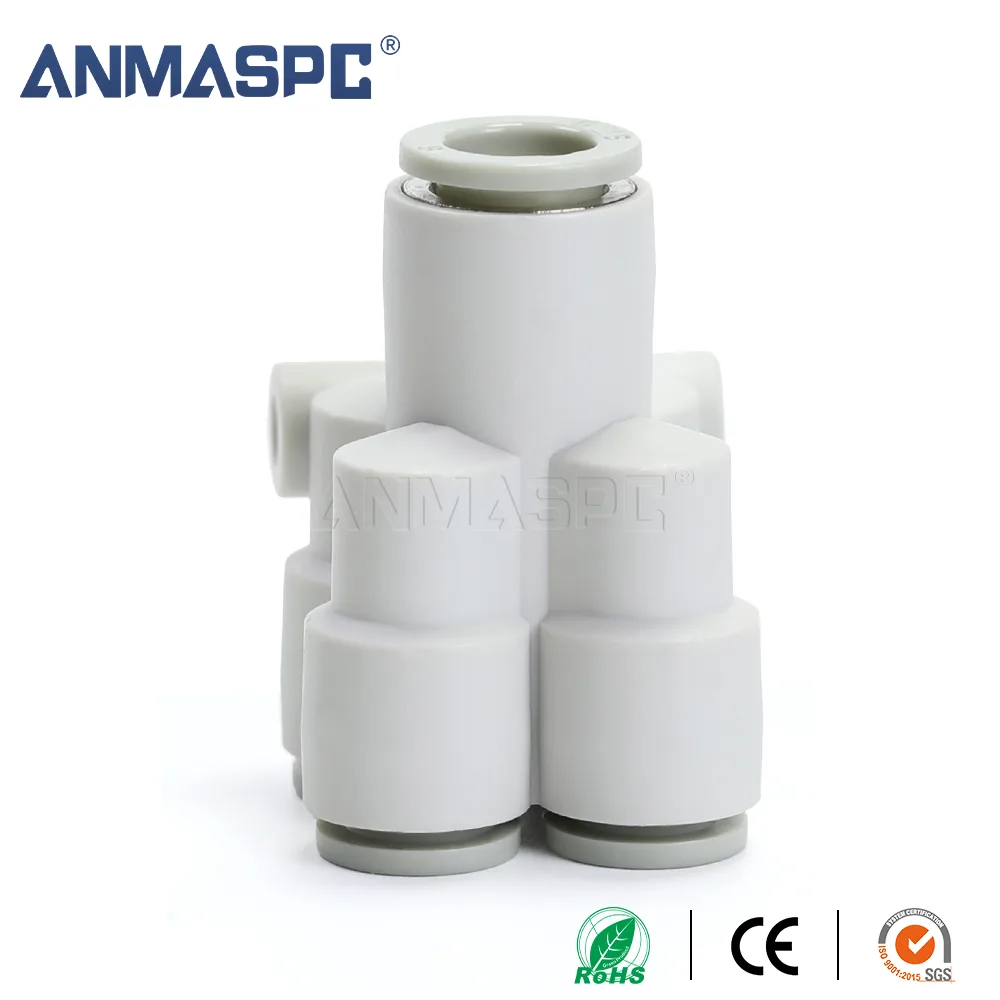
Write a specification the receiving team can check
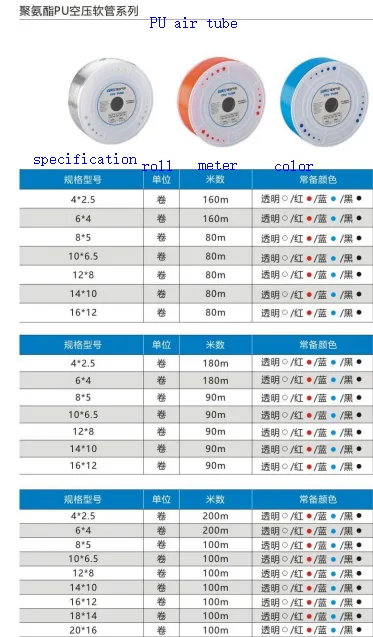
Write the specification at the connection level. Tube size for push-in fittings normally refers to outside diameter, whereas a hose barb is usually matched to hose inside diameter. Record the nominal size and the measured dimension when legacy tubing is involved. Require a clean, square, burr-free tube cut in the installation instruction; this helps the tube pass the seal correctly and gives the collet a consistent surface to retain.
| Specification field | Buyer’s question | Evidence to request |
|---|---|---|
| Tube interface | Which exact OD, material, and permissible tube range apply? | Part-number datasheet and installation guidance |
| Port interface | Is the port BSPP, BSPT, NPT, or metric; where does it seal? | Thread designation and sealing instruction |
| Operating envelope | What are normal and maximum pressure, temperature, and vacuum conditions? | Current model-specific rating information |
| Medium and environment | Are air quality, lubricants, water, cleaners, or corrosion relevant? | Body and seal compatibility statement |
| Verification plan | How will the delivered assembly be accepted? | Agreed inspection, leak, and function-test record |
BSP, NPT, and metric labels are not interchangeable purchasing shorthand. Their pitch, taper, angle, and sealing location can differ, even when parts appear to thread together. Use a thread gauge and equipment documentation when the original part number is unknown. For orientation on configuration and routing choices, compare the site’s discussion of pneumatic straight fittings before adding adapters simply to make a connection fit.
Ask for tests that match the actual fitting duty
Testing should match the proposed service and be agreed before the purchase order. A receiving check can confirm part number, visible condition, thread designation, and tube insertion. A controlled assembly check can verify that the specified tube reaches its stop, remains retained under the intended conditions, and shows no unacceptable leakage using the site’s approved method. If pressure testing is required, define the test medium, pressure, duration, acceptance criterion, and safety controls in writing.
Do not infer a pressure rating from a burst-test reference, a body material, or a similarly shaped fitting. Likewise, ISO 8573-1 air-quality classes describe the air supply, not a fitting approval. OSHA 29 CFR 1910.242(b) addresses the use of compressed air for cleaning and limits it to 30 psi or less when effective chip guarding and personal protective equipment are used; it is not a fitting qualification standard.
Qualify the supplier with samples and batch records
- Send a controlled drawing or order line that identifies every tube and port interface, environment, and operating condition.
- Ask for current, model-specific technical documentation rather than a general catalogue assertion.
- Agree a sample and acceptance plan that represents the intended tube, media, pressure, and installation method.
- Maintain approved part numbers, revision status, and test records so field teams do not make look-alike substitutions.
Oulu can support a documentation-led discussion around pneumatic parts and configured push-fit connections. The practical goal is traceable compatibility between the chosen fitting, tubing, port, and service condition-not a broad claim based on appearance.
Ask what the test covers
A standard reference is useful only when its scope matches the part and the claim. Ask whether a result covers the fitting body, the complete tube-and-fitting assembly, the seal, the pressure cycle, or a material test. A supplier statement that a factory “follows ISO” does not by itself prove that a particular one-touch fitting will seal with your tube.
Related reading: air-hose fitting sourcing guide.
| Buyer question | Evidence to request | Why it matters |
|---|---|---|
| Does the tube fit? | Tube OD range, hardness and insertion drawing | Collet and O-ring performance depend on the actual tube |
| Does the thread fit? | BSP, NPT or metric drawing and seal method | Similar-looking threads can leak or damage the port |
| Is the pressure claim relevant? | Test medium, temperature, cycle and acceptance limit | A type test is not automatically a field rating |
| Can the lot be traced? | Part number, batch and inspection record | Supports receiving decisions and later investigation |
For the practical mechanism, link this standards article to how one-touch fittings grip and seal and the pneumatic parts range.
What does ISO 14743 actually cover?
ISO 14743:2020 specifies general requirements and test methods for push-in connectors used with thermoplastic tubes with outside diameters from 3 mm to 16 mm, including inch dimensions. The public scope describes testing complete connector assemblies in pneumatic fluid-power applications and excludes air-braking systems. It is therefore a useful boundary for a specification, not a certificate for every one-touch fitting or a permission to use any tube, medium or pressure.
Write the tested assembly explicitly: connector model and revision, tube OD and material, seal, port thread, pressure, temperature, medium, movement and the required test. Metric and inch dimensions must not be mixed by appearance, and a positive-pressure result does not automatically qualify vacuum, water or chemical service. Ask the supplier to identify the approved tube and any release, reuse or support limits before standardizing a spare.
| Specification line | Why it matters | Evidence to retain |
|---|---|---|
| Tube interface | Retention and seal depend on OD and material | Tube data and model drawing |
| Port interface | Thread form and seal prevent a false fit | Thread callout and assembly method |
| Service duty | Pressure, temperature, medium and motion change risk | Application limit and test condition |
Frequently asked questions
Are there standards for one-touch pneumatic fittings?
Yes, standards such as ISO 4414 guide pneumatic-system safety, and ISO 8573-1 helps specify compressed-air quality. Neither standard alone certifies every fitting, so buyers must also review documentation for the exact model and intended duty.
What should a one-touch fitting specification include?
Include tube outside diameter and material, port thread and sealing geometry, pressure, temperature, medium, environment, fitting configuration, and installation requirements. Add the acceptance test and required supplier documents so purchasing and maintenance use the same definition.
How do I confirm tubing compatibility?
Match the actual tube OD and material to the fitting manufacturer’s stated range, then inspect the cut quality and tube condition. Confirm the complete tube-and-fitting assembly under representative conditions before approving an alternative tube or supplier.
Are BSP, NPT and metric threads interchangeable?
No. They can differ in pitch, taper, angle, and sealing location, so visual resemblance is not proof of compatibility. Identify the exact thread with documentation and gauges, then follow the fitting maker’s sealing instructions.
What tests should be requested for push-to-connect fittings?
Request tests that reflect the intended assembly: dimensional and visual inspection, tube insertion and retention checks, and a defined leak or pressure test where appropriate. Set the medium, conditions, duration, acceptance criteria, and safety controls before testing; do not rely on vague “tested” statements.
How do I qualify a one-touch fitting supplier?
Evaluate whether the supplier can provide consistent part identification, current model-specific data, sample support, and records that map to your acceptance plan. Then trial the specified fitting with the actual tubing and operating conditions, and control approved part numbers for repeat orders.
Related reading: Oulu Connector company information.
References
- ISO 14743:2020 – push-in connectors for thermoplastic tubes.
- ISO 4414:2010 – pneumatic system safety.
- ISO 8573-1 – compressed-air contaminants.
- UK HSE INDG261 – pressure-system precautions.
Summary
A one-touch fitting standard is useful only when the standard scope and the ordered assembly agree. ISO 14743:2020 covers push-in connectors for thermoplastic tubes in the stated OD range and defines complete-assembly test methods, while excluding air-braking systems. It does not approve an unspecified fitting for water, vacuum, chemicals or a different tube. Lock the tube, thread, seal, pressure, temperature and movement requirements before testing, then retain the model revision, sample and result. Record whether the fitting may be released, reused or replaced after service. Oulu’s one-touch pneumatic products can be reviewed against that specification instead of a generic label such as push-in or quick-connect.